
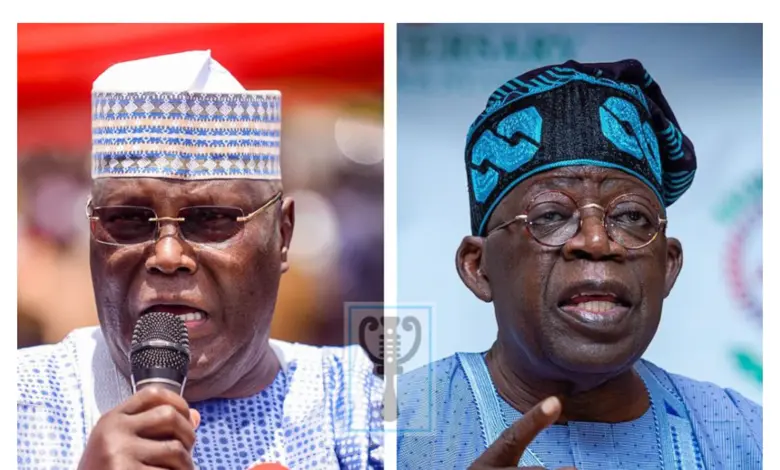
The surge in debt has drawn intense scrutiny from opposition figures, with former Vice President Atiku Abubakar accusing President Bola Tinubu’s administration of imposing severe economic hardship while continuing to accumulate obligations. Abubakar, who is running as a presidential candidate for the African Democratic Congress (ADC), described the government’s borrowing strategy as excessive, particularly in light of reported increases in public revenues.
“A government that says more money is coming in must explain why it keeps borrowing and why the people paying for its policies cannot see the promised gains,” Abubakar said in a statement released by his campaign council. He urged the administration to provide a detailed account distinguishing between previously unrecorded obligations, changes in the naira value of foreign debt due to exchange-rate movements, and genuinely new loans contracted since the administration assumed office.
The political critique highlights a perceived disconnect between macroeconomic indicators and the lived experience of ordinary citizens. Abubakar argued that improvements in government revenue and foreign reserves are insufficient measures of economic success if household purchasing power continues to deteriorate. He cited rising costs for food, fuel, transport, electricity, education, and housing as evidence that the benefits of recent reforms have not been broadly shared.
International observers have noted similar tensions in Nigeria’s economic trajectory. In its June 2026 Article IV assessment, the International Monetary Fund (IMF) acknowledged that Nigeria’s reforms had improved macroeconomic outcomes but warned that conditions remained difficult for a large portion of the population. The IMF estimated that 63 per cent of Nigerians live below the national poverty line and reported that approximately 27 million people faced food insecurity in late 2025. The fund further cautioned that higher prices for fuel, food, and fertiliser could exacerbate poverty and food insecurity if not addressed through targeted social support.
Abubakar has specifically pointed to the cost of servicing the national debt as a key driver of fiscal strain. He argued that resources committed to debt service are unavailable for competing public needs such as healthcare and infrastructure. “Money committed to debt service is money unavailable for competing public needs,” he stated. “Nigerians were told to endure the pain because there would be gains. Where are those gains?”
The former vice president also raised transparency concerns regarding external debt-service payments. He questioned a reported $22.5 million charge associated with a First Abu Dhabi Bank Total Return Swap, demanding the government disclose the agreement, the purpose of the payment, the original facility, the amount drawn, and the outstanding obligations. He called for greater clarity on how certain transactions are classified under “other charges” in official debt reports.
The debate over Nigeria’s debt trajectory comes at a critical juncture for the country’s fiscal policy. The administration has maintained that structural reforms, including the removal of the fuel subsidy, are necessary to stabilize the economy and attract foreign investment. However, critics argue that the removal of subsidies has disproportionately affected low-income households, leading to what Abubakar describes as a widening gulf between official claims of economic recovery and the reality of daily life for millions of Nigerians.
As the presidential election cycle progresses, the fiscal stance of the government and the sustainability of its debt levels are likely to remain central issues. The distinction between nominal debt growth and inflation-adjusted figures, as well as the composition of domestic versus external debt, will be key factors in assessing the long-term economic health of the nation. For now, the disparity between rising public debt and stagnant household welfare continues to fuel political opposition and calls for greater fiscal accountability.