
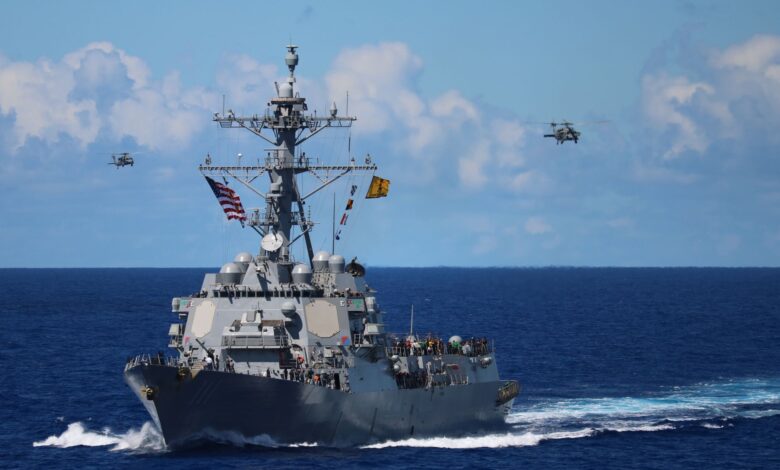
Official responses from both Washington and Tehran have been firm, indicating a hardening of diplomatic and military stances. The recent incidents, characterized by near-misses with U.S. warships, have been interpreted by U.S. officials as evidence of Iran’s increased appetite for escalation. In turn, Iranian rhetoric has hardened, linking the Houthi campaign directly to its own strategic interests. This exchange of threats suggests that the conflict is no longer confined to proxy actions but is increasingly influenced by direct strategic calculations between the two powers.
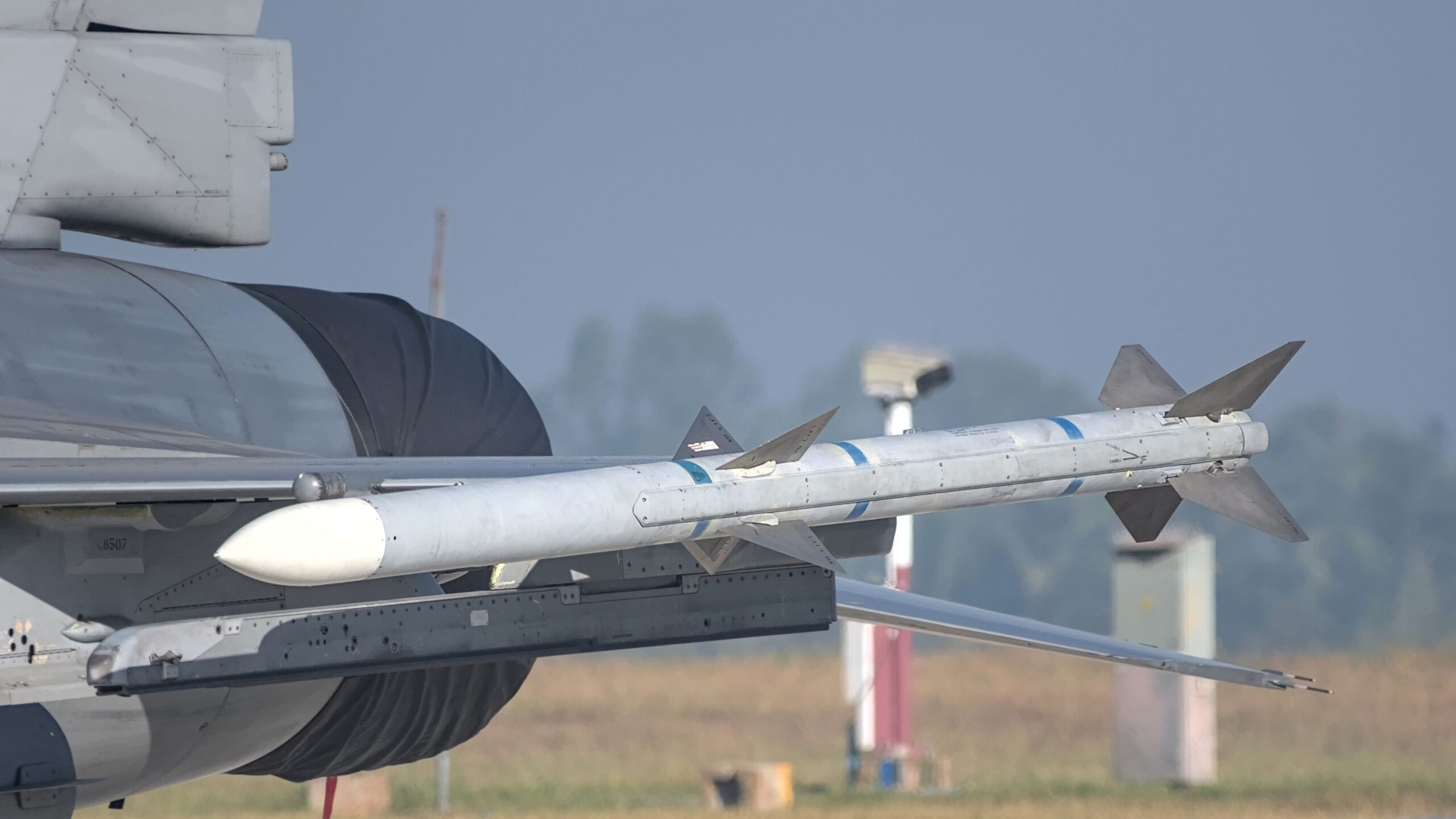
The military capability underpinning these threats involves advanced anti-ship missiles and drone systems deployed by the Houthis, which have demonstrated a significant impact on maritime traffic. The U.S. response has included the reinforcement of naval presence and the activation of additional air defense systems to protect shipping lanes and allied assets. This tactical deployment aims to deter further attacks while maintaining the freedom of navigation critical to global trade. The distinction between announced capabilities and demonstrated performance remains a key area of assessment, with recent engagements highlighting the evolving nature of asymmetric naval warfare.
Background to this escalation includes the broader regional conflict in Yemen, which has persisted for over a decade. The Houthi group, supported by Iran, has leveraged its position to challenge international shipping and pressure regional adversaries. The current phase of the conflict is notable for its geographic spread, affecting not only Yemen but also neighboring maritime zones. The involvement of external powers has complicated the humanitarian situation, as military responses often intersect with civilian areas, exacerbating existing vulnerabilities.
The humanitarian consequences of the latest escalation are severe, with millions of people in Yemen facing deepened crises due to the disruption of aid deliveries and economic activity. The conflict has pushed the population further into poverty and food insecurity, with limited access to essential services. International observers have noted that the militarization of the region is having a direct and negative impact on civilian life, complicating efforts to achieve a diplomatic resolution. The humanitarian toll underscores the urgent need for de-escalation and a return to negotiated solutions.
Looking ahead, the next expected developments include further naval deployments and potential diplomatic briefings aimed at managing the crisis. Both sides are likely to continue monitoring each other’s movements closely, with the risk of accidental clashes remaining high. The international community is watching for signs of either a diplomatic breakthrough or a further spiraling of violence. The situation remains fluid, with no clear indication of a de-escalation path in the immediate term.