

The advance of Houthi forces along the Red Sea coastline represents a significant shift in the local security landscape. This development has forced residents to abandon their homes and travel long distances under difficult conditions. For many, the journey is not a one-time event but part of a repetitive cycle of uprooting driven by shifting military control.
The capture of the Red Sea coast by Houthi forces has immediate implications for regional stability and maritime security. The Red Sea is a critical global shipping lane, and the presence of armed groups along its shores continues to pose challenges for international trade and naval operations. The displacement of civilians from these coastal areas adds a humanitarian dimension to the broader geopolitical tensions in the region.
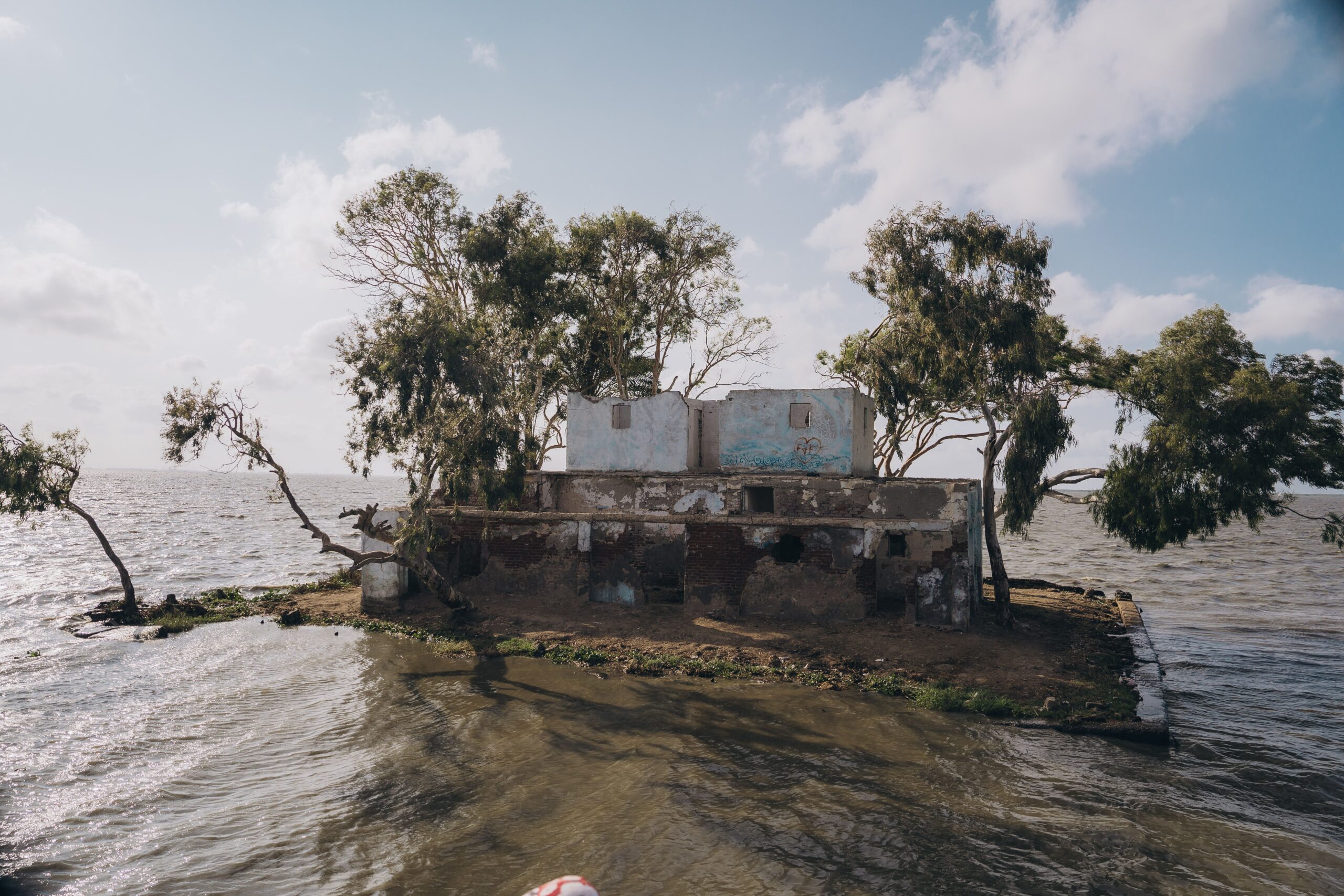
Civilian impact remains severe, with families enduring prolonged periods of uncertainty and hardship on the road. The lack of safe, stable accommodation exacerbates the vulnerability of displaced populations, particularly women and children. The ongoing nature of the conflict means that many displaced persons are unable to return to their original homes, facing instead a protracted state of limbo.
The Houthi offensive underscores the persistent instability in Yemen, where competing factions continue to vie for control over key territories. The strategic importance of the Red Sea coast makes this particular advance noteworthy, as it affects not only local populations but also broader regional interests. The situation remains fluid, with the potential for further displacement and conflict in the coming weeks.

As the offensive continues, the focus remains on the immediate needs of displaced families and the long-term security implications of Houthi control over coastal areas. The international community is watching closely, with concerns mounting over the humanitarian fallout and the potential for further escalation in the region.