The spike in prices signals a market that is pricing in the risk of further disruption to global energy flows. When geopolitical risks escalate, particularly those involving major oil-producing regions like the Middle East, traders often bid up prices as a hedge against potential supply shocks. The current scenario highlights the fragility of the global oil market, where diplomatic maneuvers can have immediate and tangible effects on commodity prices.
Diplomatic Efforts and Geopolitical Tensions
At the center of this uncertainty are the ongoing diplomatic efforts to manage tensions between the United States and Iran. Qatar has been actively working to ease these hostilities, attempting to open channels of communication that could prevent a broader escalation. These diplomatic initiatives are critical because any significant deterioration in relations between Washington and Tehran could lead to further restrictions on Iranian oil exports or increased instability in the Strait of Hormuz, a chokepoint through which a significant portion of the world’s oil supply passes.
The market’s reaction to these diplomatic moves is immediate. Investors are closely watching for signs of progress or breakdown in these negotiations. The fact that Brent crude has crossed the $103 barrier suggests that, at this moment, the market is not fully confident that tensions will subside quickly. The premium on oil prices reflects the cost of this uncertainty, as buyers and sellers adjust their positions in anticipation of potential policy changes or security incidents.
Regional Supply Resumes from the Red Sea
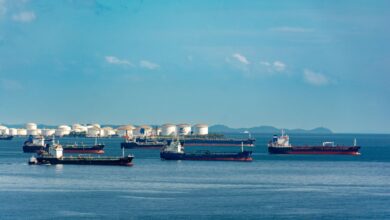
Amidst the geopolitical friction, a notable development in regional supply dynamics offers a counterbalance to the upward price pressure. Saudi Arabia has resumed oil exports from the Red Sea. This move is significant for several reasons. First, it demonstrates the continued flow of crude from one of the world’s largest producers. Second, the use of Red Sea routes provides an alternative to other potential bottlenecks, thereby aiding the recovery of regional supply.
The resumption of these exports helps to alleviate some of the supply concerns that might otherwise exacerbate the price spike. By ensuring that barrels are moving from the wellhead to global markets, Saudi Arabia’s actions contribute to a more stable supply environment. This is particularly important in a market already strained by the threat of sanctions on another major producer, Iran. The interplay between Saudi supply actions and Iranian sanction risks creates a complex dynamic where increased supply from one country can partially offset the perceived risk of reduced supply from another.
For industries and consumers dependent on oil, the current price levels have direct implications. Higher crude prices generally translate into increased costs for transportation, manufacturing, and energy. The $103 level for Brent crude serves as a warning sign for inflationary pressures in economies heavily reliant on imported oil. Businesses may face higher input costs, which could be passed on to consumers in the form of higher prices for goods and services.

However, the situation remains fluid. The outcome of the ongoing diplomatic efforts by Qatar and the broader international community will play a decisive role in determining the future trajectory of oil prices. If tensions de-escalate, the risk premium embedded in oil prices could diminish, leading to a correction in the market. Conversely, if sanctions are imposed or tensions escalate further, prices could see additional upward momentum.
As the market waits for clearer signals on the US-Iran situation, the resumption of Saudi exports from the Red Sea provides a crucial anchor for regional supply. The next few weeks will be critical in determining whether the current price levels are a temporary spike driven by fear or a new baseline reflecting long-term geopolitical risks. For now, the oil market remains in a state of watchful waiting, with every diplomatic development and supply report capable of shifting the balance of power between bulls and bears.