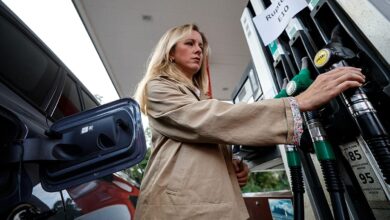
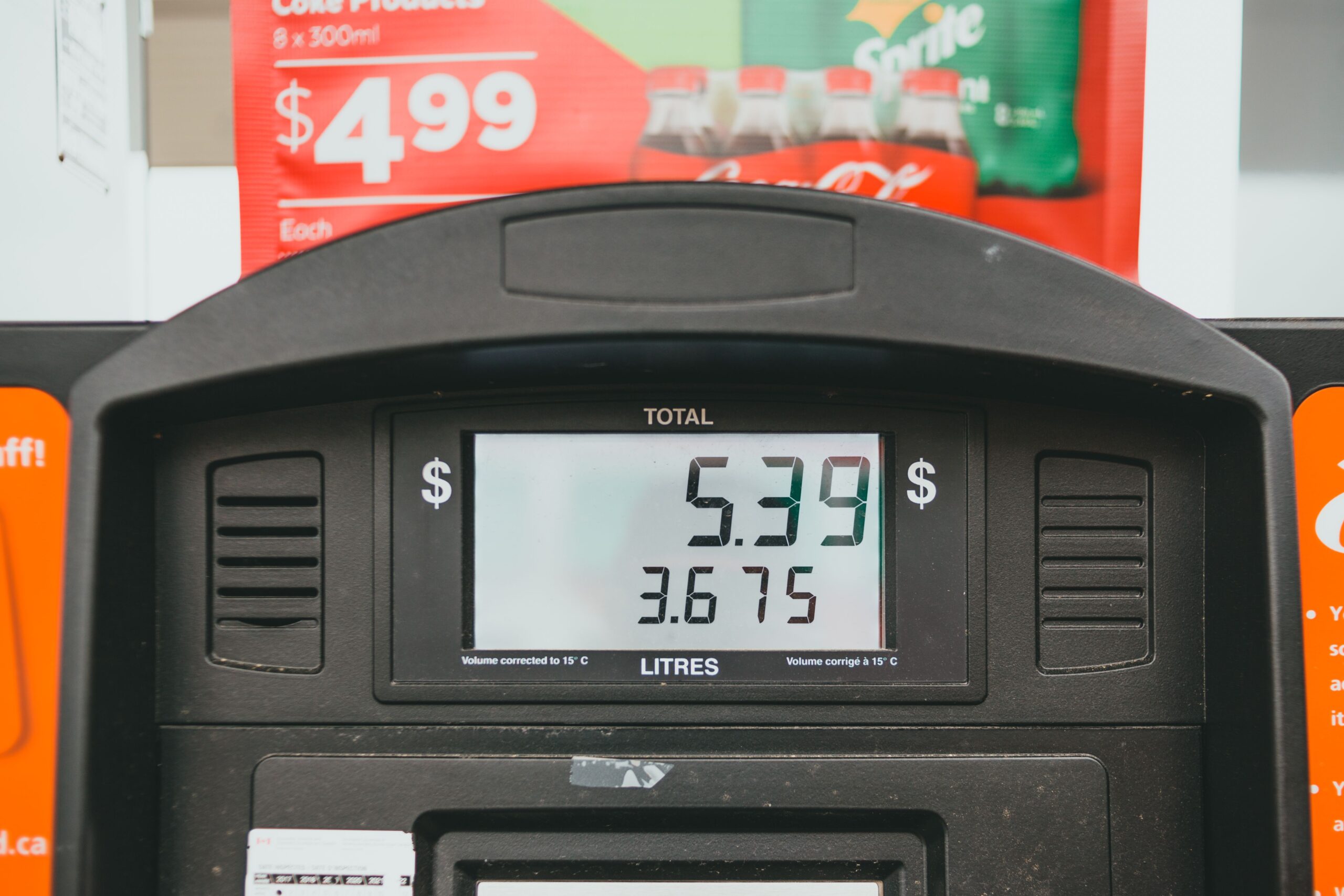
The spike in prices has become a major domestic political issue, particularly in Germany, where pump prices have reached all-time highs. According to the ADAC, Europe’s largest motoring association, the average price for diesel surged to €2.45 per litre on Wednesday, while petrol hit a fresh high of €2.31 per litre. In the Netherlands, petrol prices exceeded previous records to reach €2.73 per litre, with diesel averaging €2.78. Across the EU, petrol prices are 24% higher than a year earlier, while diesel is up 38% and jet fuel costs more than double the previous year’s levels.
Chancellor Friedrich Merz acknowledged that many drivers have “reached their breaking point” and promised that specific relief measures would be announced “very soon.” While the federal government has moved to cut energy taxes to offer relief to motorists, the precise details of broader fiscal interventions remain under discussion with the German states. A government spokesperson emphasized that the price surge is driven largely by the escalating situation in the Middle East, including attacks on oil pipelines and the blockade of shipping lanes, rather than domestic policy.
The economic impact extends beyond household budgets, affecting the broader macroeconomic landscape. German headline inflation rose to 3.3% year-on-year in September, its highest level since December 2023. Analysts note that this surge is primarily an energy-driven phenomenon, with core inflation remaining stable at 2.4%. However, the high energy costs are squeezing corporate margins and driving up transportation costs, particularly in logistics. Inflation is expected to remain above 3% until early next year as long as the conflict in the Middle East continues and gas storage levels remain historically low.
Political responses are diverging across the continent ahead of elections in eight EU countries, including France, Italy, Spain, and Poland. In Italy, Prime Minister Giorgia Meloni’s coalition announced it would scrap road tax for 14.5 million vehicles and motorbikes starting next year, a move costing over €2 billion. In France, President Emmanuel Macron ordered “full mobilisation” on fuel supply and prices, including diplomatic efforts to secure the “peaceful reopening” of the Strait of Hormuz. Meanwhile, French fishers have begun blocking ports and fuel depots in protest of soaring diesel costs, which reached €2.37 per litre last week.
EU Economic Commissioner Valdis Dombrovskis stated that the Commission has no plans for an EU-wide taxing mechanism “at this stage” but is ready to engage in discussions. Member states retain the freedom to impose their own taxes. For Germany, the challenge is balancing the need to dampen prices at the pump with the reality that tax cuts cannot resolve the underlying physical supply shocks caused by limited refinery capacity and disrupted global trade routes.