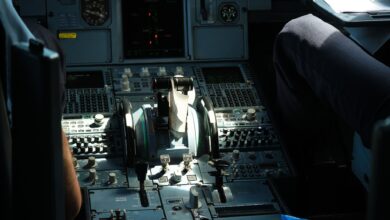
The legal significance of the incident hinges on the classification of the co-pilot’s actions. If the authorities can establish that the breach of the cockpit door was a deliberate act intended to divert or crash the aircraft, the suspect may face charges under anti-terrorism statutes in the jurisdiction where the flight concluded or where the suspect is being held. The determination of intent is the central legal issue. Distinctions must be drawn between a mental health crisis, a personal dispute, and a premeditated act of violence. In aviation law, the act of breaching the cockpit door while the aircraft is in flight is a severe offense, carrying potential penalties that include long-term incarceration, particularly if harm to passengers or the aircraft is proven.
Central to the defense of the aircraft was the response of Captain Smit Machchhar, an Indian national serving as the first officer on the flight. Machchhar stated that he opened the cockpit door during the attack to assist in subduing the co-pilot. His actions have been widely commended, with Indian Prime Minister Narendra Modi speaking with the pilot via video call to hear his account of the incident. The Prime Minister’s engagement underscores the national pride associated with the pilot’s response, framing it as an act of courage rather than just a procedural obligation. Legally, Machchhar’s actions align with the duty of care and emergency protocols expected of flight crew, but his specific decision to breach the door during an active threat is being highlighted as a critical factor in preventing a disaster.
New video evidence has emerged showing the chaos inside the cabin, with passengers rushing toward the cockpit area. In one clip, individuals are heard asking, “Is there a doctor? Extra pilot?”, illustrating the immediate confusion and the reliance on crew input to understand the situation. The video provides visual corroboration of the struggle that took place, which is likely to be a key piece of evidence in any subsequent legal proceedings. The clarity of the footage regarding the co-pilot’s actions and the passengers’ and crew’s response will be scrutinized by investigators to establish the timeline of events and the extent of the threat.
The investigation now faces the challenge of securing access to the suspect for questioning. The co-pilot is described as an Omani national, and the ability of Israeli authorities or other involved jurisdictions to conduct a thorough interrogation is cited as crucial to proving the nature of the plot. If the case is classified as a terrorist attack, the legal proceedings may involve international cooperation, extradition requests, or diplomatic channels, depending on where the suspect is ultimately tried. The presumption of innocence remains in effect for the co-pilot, who is currently charged or under investigation rather than convicted. The legal process will require substantial evidence to link the suspect to a broader terrorist network, if such a link is alleged.
For the airline and aviation regulators, the incident triggers a review of cockpit security protocols. While locked cockpit doors are standard, the ability to override them in an emergency is a complex legal and operational issue. The case may influence future regulations regarding the circumstances under which a pilot may be removed from the cockpit or the criteria for declaring an emergency entry. The airline has not yet released a final statement on the legal status of the co-pilot, but the focus has shifted from immediate crisis management to the long-term legal and investigative process.
The next steps in the legal process will depend on the completion of the investigation and the determination of the appropriate jurisdiction for trial. If terrorism charges are filed, the case may be moved to a specialized court or handled under specific national security laws. The outcome will have implications for aviation security standards globally, particularly regarding the vetting of crew members and the protocols for responding to in-flight security threats. The case remains at the investigative stage, with no final judicial determination yet made on the co-pilot’s guilt or the specific charges he will face.
Legal and Security Implications
The incident highlights the vulnerability of commercial aviation to targeted attacks by crew members, a scenario that has been a focus of security debates since the 9/11 attacks. The legal framework for such incidents is complex, involving the laws of the country of departure, the country of destination, and the nationality of the suspect. The potential link to Iran introduces a geopolitical dimension, which may complicate the legal proceedings and international relations. The case will be watched closely by legal professionals and security experts as a precedent for how aviation authorities handle alleged terror plots by their own personnel.
The role of Captain Machchhar in the incident is being recognized not only as a professional achievement but as a critical act of protection. His testimony, shared with the Prime Minister, provides a firsthand account of the threat and the response, which may be used in legal proceedings or public safety campaigns. The distinction between his actions and the co-pilot’s alleged actions is clear in the public narrative, with the former being celebrated for duty and the latter being investigated for potential criminal intent.