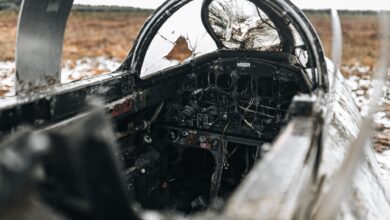
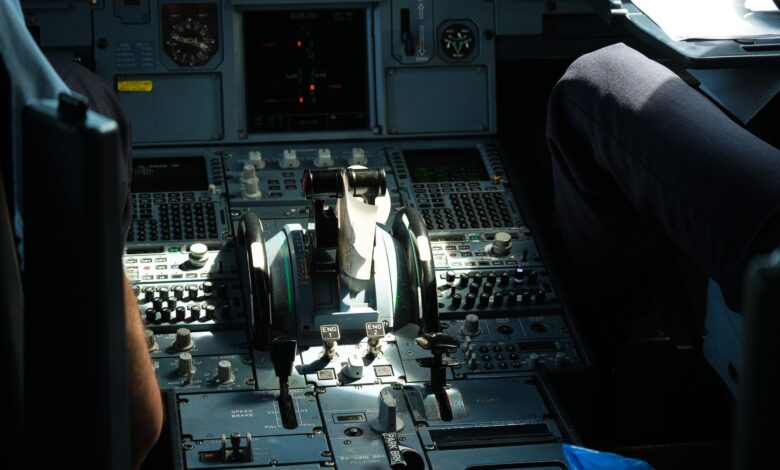
The pilot’s account describes a scenario of immediate physical violence within the confined space of the cockpit. According to Machchhar, the Omani copilot initiated the assault, compelling Machchhar to react by opening the door while he was down on the floor. This version of events places the responsibility for the initial violence squarely on the Omani crew member, depicting the injured captain as a victim of aggression rather than a participant in a mutual dispute.
The terminology used in the statement distinguishes between the roles of the two individuals involved. Machchhar identifies himself as the “wounded pilot,” establishing his status as the party sustaining physical harm. Conversely, he describes the Omani copilot as the individual who was “actively attacking” him. This linguistic framing is significant in legal and procedural contexts, as it differentiates the actions of the accused aggressor from the defensive or reactive actions of the injured party.

No further details regarding the specific nature of the injuries, the exact duration of the attack, or the immediate aftermath of the door being opened were provided in the available statement. The account focuses strictly on the dynamic of the attack: the pilot on the floor, the active assault by the copilot, and the pilot’s action of opening the door during the confrontation.
The situation highlights a critical safety and security concern regarding cockpit integrity and crew conduct. While the specific regulatory or legal proceedings resulting from this incident are not detailed in the current information, the allegation of physical assault between flight crew members is a serious matter that typically triggers immediate investigation by aviation authorities and law enforcement agencies.
Preserving the presumption of innocence, it is noted that these are the allegations put forward by Captain Machchhar. The Omani copilot has not been identified by name in the provided material, nor have they been formally charged or convicted of any offense. The statement serves as a one-sided account from the injured party, presenting his version of the events that led to his injuries.
The core of the report rests on Machchhar’s direct testimony of the sequence of events. He claims the attack was ongoing when he opened the door, suggesting his action was a response to the physical threat he was facing. There is no mention of prior disputes, mechanical failures, or third-party involvement in the provided text. The focus remains entirely on the interpersonal violence alleged to have occurred between the two pilots.
Until further evidence is reviewed and official investigations are concluded, the details provided by Captain Machchhar stand as his personal account of the incident. The legal and regulatory implications of a pilot being physically attacked by a colleague in the cockpit are substantial, potentially affecting licensing, employment, and safety protocols, but no specific rulings or penalties have been announced in the available information.