
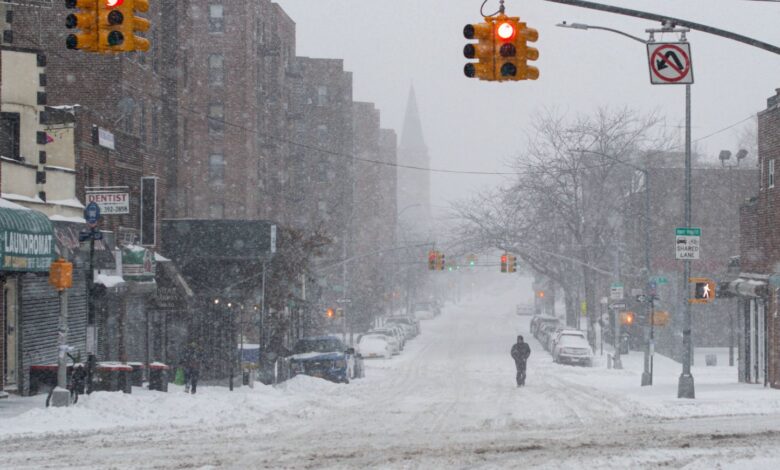
The human cost of the storm is distributed across multiple states, with New York City reporting 14 individuals found dead in the cold, though not all causes of death have been fully determined. In Tennessee, 13 deaths have been confirmed, while Louisiana reported nine fatalities, including two cases of hypothermia. Other causes of death include snowplow accidents in Massachusetts and Ohio, sledding incidents in Arkansas and Texas, and a tragic event in Texas where three young brothers died after falling through ice on a pond. In South Carolina, six people died due to the ice and freezing temperatures, including an 85-year-old man and a 91-year-old woman who succumbed to hypothermia in Laurens County.
Infrastructure Strain and Prolonged Outages
Beyond the immediate loss of life, the storm has caused widespread infrastructure damage, leaving hundreds of thousands of households without electricity for days. At the peak of the crisis, over 800,000 households lost power, a number that has since declined to approximately 191,000, primarily in southern and southeastern states such as Tennessee, Mississippi, Louisiana, and Texas. The prolonged outages have forced residents to rely on unsafe heating methods, leading to dozens of children being treated for carbon monoxide poisoning from improperly used generators and heaters.
In Nashville, Tennessee, the impact on daily life has been particularly severe. Terry Miles, a 59-year-old construction worker, described the desperation of his situation, stating that he resorted to using a fish fryer for heat due to the lack of electricity. “I’m taking a chance of killing myself and killing my wife,” Miles said, highlighting the risks residents face when standard heating systems fail. More than 54,000 customers in and around Nashville remained without power as of Saturday, part of a broader regional crisis that has frustrated residents who have waited a week for restoration.
Transportation networks have also been severely disrupted, with over 11,000 flights cancelled in the initial phase of the storm. In South Carolina, the lack of snow-removal equipment in cities like Myrtle Beach forced authorities to improvise, while the city’s annual Polar Plunge charity event was cancelled due to the extreme cold. The storm’s impact has been so extensive that it is estimated to become the costliest severe weather disruption in history, with losses projected between $105 billion and $115 billion.
Arctic Blast and Future Forecasts
As the initial storm system moves out, frigid conditions have persisted, with cold air gripping the eastern half of the country. Meteorologists warn that this could be the longest duration of cold in several decades. A new Arctic blast is expected to arrive by the weekend, potentially bringing record low temperatures as far south as Florida. In the Northeast, cold air moving across the Great Lakes is fueling lake-effect snow, with warnings in effect for up to two feet of snow in cities such as Buffalo, Syracuse, and Rochester. Massachusetts residents are also bracing for a potential “bomb cyclone,” a rapidly strengthening storm system that could bring hurricane-like wave heights and heavy snow.
Scientists note that rising global temperatures may be counterintuitively weakening the polar vortex winds that typically hold cold air over the Arctic, allowing it to spill further south. This dynamic has contributed to the unusual severity and duration of the cold snap. With subfreezing weather forecast into February, emergency management officials across at least 20 states and Washington, D.C., have declared states of emergency to deploy resources and urge residents to stay indoors. The combination of prolonged power outages, hazardous road conditions, and extreme cold continues to pose life-threatening risks to vulnerable populations, particularly the elderly and those without adequate heating.