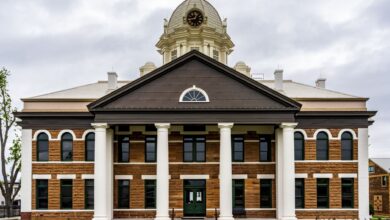
Commemorative activities took place across the country, including events at the Sipekne’katik First Nation residential school memorial site in Shubenacadie, Nova Scotia, where community leaders delivered remarks and cultural teachings were shared. In Halifax, the Canadian Museum of Immigration at Pier 21 hosted screenings of Indigenous-created short films, while All Saints Anglican Cathedral featured a program on the legacies of the Shubenacadie Residential School. City Hall in Halifax was illuminated in orange, a colour that has become widely associated with the day’s remembrance. In Ottawa, media outlets conducted live coverage from Parliament Hill, underscoring the national significance of the observance.
Despite the widespread participation in remembrance, legal scholars and advocates argue that the day highlights a gap between commemorative gestures and the fulfillment of legal obligations. Under international law, states have a duty to investigate gross human rights violations, granting affected communities a “right to truth.” This right, which emerged in international legal frameworks during the 1970s and was further developed in the 2006 United Nations Convention for the Protection of All Persons from Enforced Disappearance, requires states to disclose the causes, conditions, and perpetrators of serious human rights violations. Although Canada has not signed the 2006 convention, the broader understanding of this right was affirmed by a UN General Assembly resolution in 2013.
The Truth and Reconciliation Commission of Canada (TRC) explicitly referenced these international legal standards in its 2015 report. Call to Action 69 cites the UN Declaration on the Rights of Indigenous Peoples and the Joinet-Orentlicher Principles to affirm the inalienable right of Indigenous peoples to know the truth about what happened in the residential schools. Related calls to action demand access to state and church archives and the identification of burial sites for children who died at the schools. The Joinet-Orentlicher Principles, endorsed by the UN Commission on Human Rights in 2005, link the right to truth directly to the prosecution of crimes and the provision of reparations.
Critics contend that the Canadian government has not fully met these responsibilities. Research indicates that in various legal cases stemming from the Indian Residential Schools Settlement Agreement, the government has interpreted its obligations to search and disclose state archives narrowly, applying domestic contract law rather than the broader standards of international law regarding the right to truth. The Standing Senate Committee on Indigenous Peoples has investigated these issues, noting that the approach to implementing the settlement agreement has compromised the right to truth for Indigenous communities.
The National Day for Truth and Reconciliation was recommended by the TRC in its 94 Calls to Action and was designated as a federal statutory holiday in 2021. While the day remains a central moment for national reflection and education, advocates maintain that true reconciliation requires ongoing accountability and the fulfillment of legal duties to uncover and address the historical injustices of the residential school system.