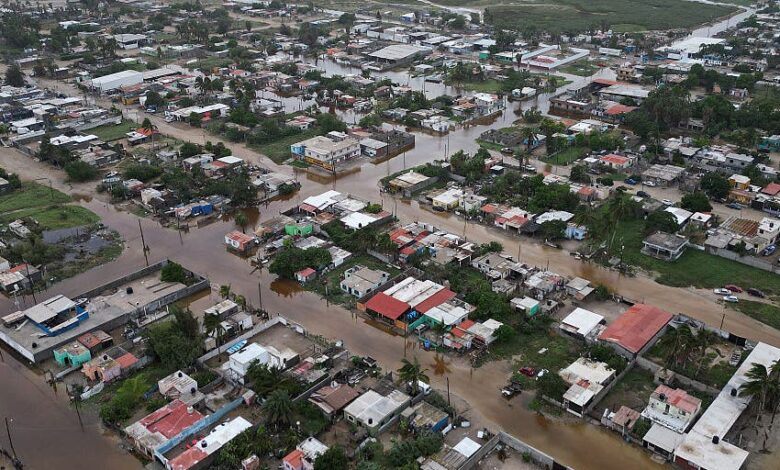
Hurricane Polo initially made landfall on the Baja California peninsula as a Category 2 storm. While the system peaked as a Category 5 hurricane earlier in the week, recording one of the lowest central pressures ever documented in the Eastern Pacific, its intensity diminished as it approached the coast. Meteorologists noted some uncertainty regarding the storm’s exact strength at the moment of impact, but data suggests Polo maintained maximum winds in the 90 to 95 knot range, consistent with Category 2 status. This landfall is a rare occurrence; the previous hurricane to strike Baja California was Norma in October 2023.
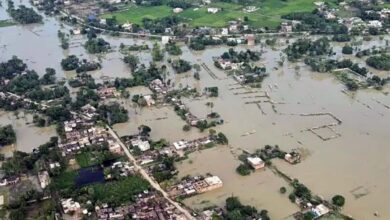
The environmental impact extends well beyond the immediate coastline. The storm is forecast to drop up to 10 inches of rain across parts of Mexico, a volume that poses severe risks for mudslides in steep terrain and catastrophic flooding in low-lying areas. As Polo tracks over the Gulf of California, it is expected to make a second landfall in mainland Mexico later Tuesday, continuing its path of disruption through the region.
Moisture Fuels Southwest U.S. Emergencies
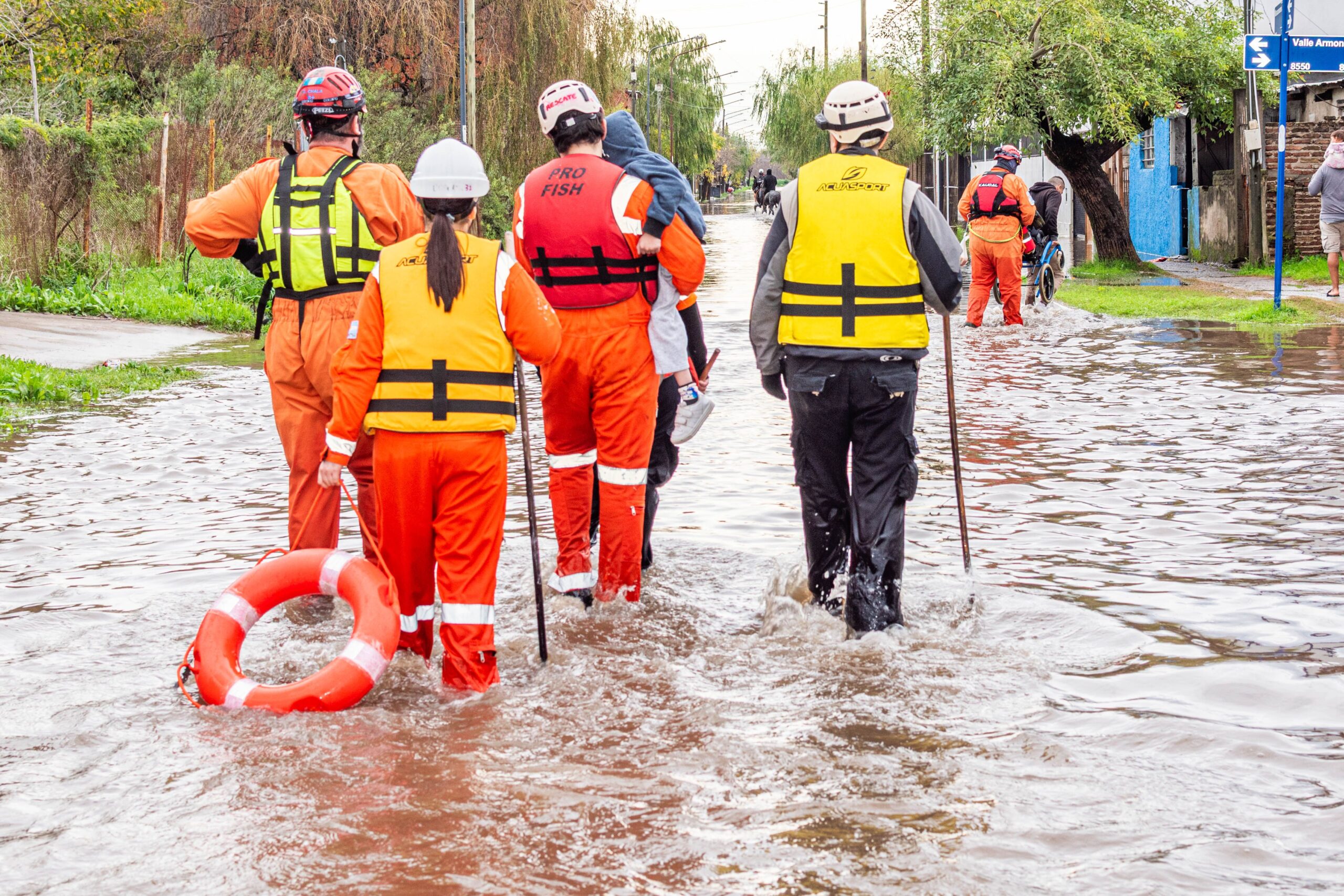
While the eye of the hurricane moves through Mexico, its outer bands of moisture are having a profound effect on the neighboring United States. The wet air feeding off the storm is fueling life-threatening flooding across the southwestern U.S. In response to the deteriorating conditions, California has declared a state of emergency. This declaration comes at a critical time as the region braces for the potential arrival of a historic Super El Niño, which could exacerbate the frequency and intensity of extreme weather events in the coming months.
The simultaneous presence of two tropical systems has complicated the weather pattern in the Eastern Pacific. As Hurricane Polo moves inland, Tropical Storm Rachel has formed off Mexico’s southwestern coast. Rachel is positioned to follow closely behind Polo, with forecasts indicating it will generate large swells over the next several days. These swells are expected to produce life-threatening surf and dangerous rip current conditions along the coast, adding a secondary layer of risk for communities and marine activities already dealing with the aftermath of the hurricane.
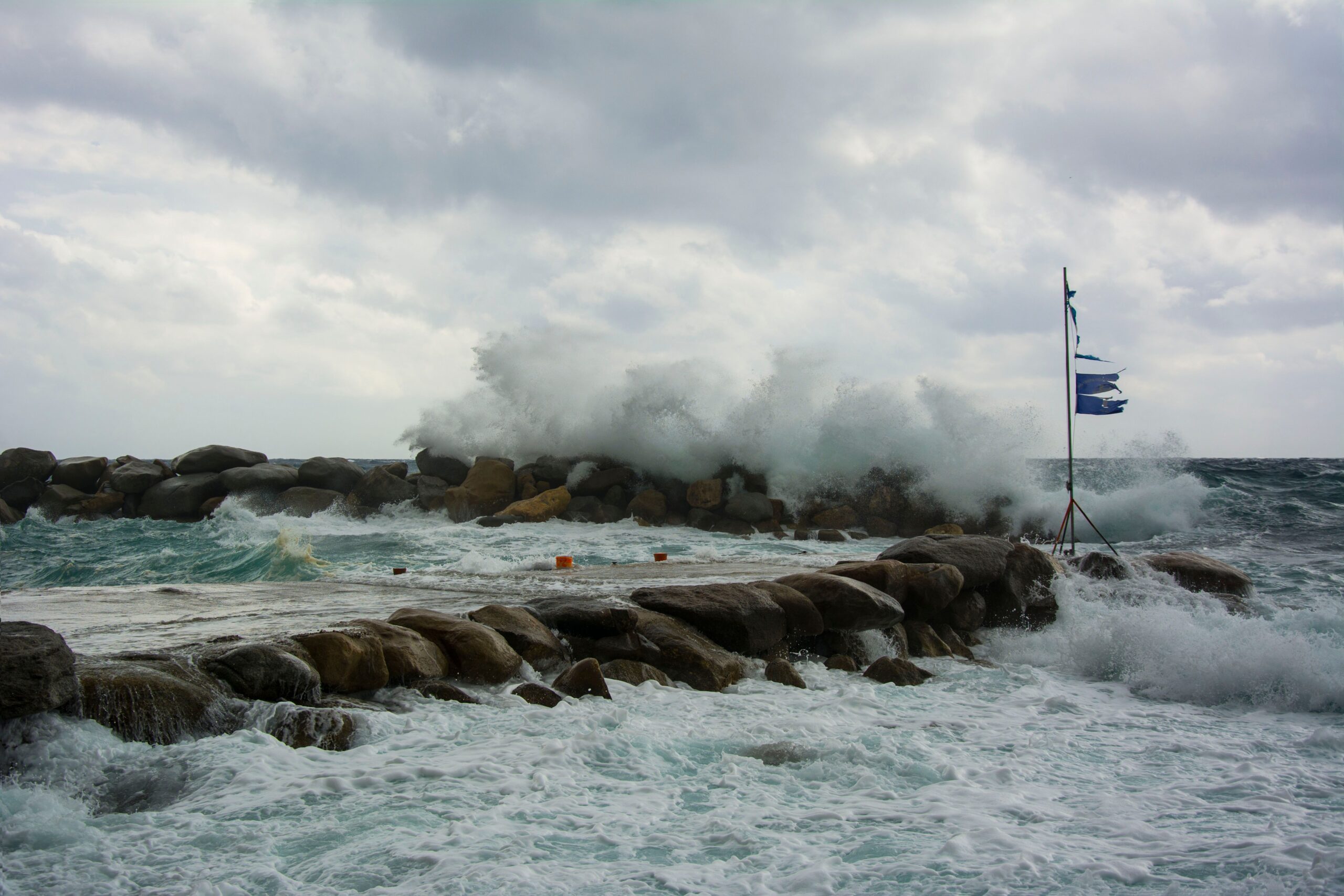
For communities in Baja California and the southwestern United States, the immediate priority is managing the floodwaters and assessing infrastructure damage. The combination of heavy rainfall, breached coastal defenses, and the approaching energy from Tropical Storm Rachel creates a challenging environment for emergency responders. The situation highlights the vulnerability of coastal and semi-arid regions to the compounding effects of intense tropical systems and shifting climate patterns.
As Polo continues to weaken over land, the focus of meteorological attention shifts to the path of Rachel and the ongoing rainfall totals in the affected states. The interplay between these two storms and the broader El Niño conditions will determine the extent of the environmental and economic impact in the coming days, with the potential for further disruptions to power grids, transportation, and local ecosystems.