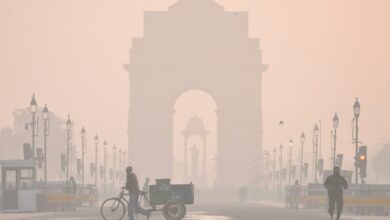
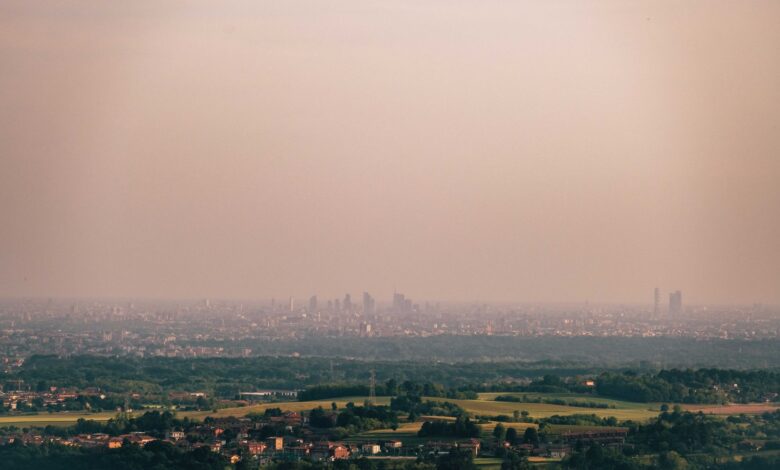
The declaration was issued on Thursday after King Sultan Ibrahim consented to a formal request from the Sarawak Disaster Management Committee. The decision followed the region’s Air Pollutant Index reaching critical thresholds. Under the emergency order, 647 schools in Serian will close from Monday until at least the end of the following week. Government and private offices, plantations, construction sites, and quarries will also cease non-essential operations, with only vital services continuing to function. The emergency is strictly limited to the Serian district and does not apply to the entire state of Sarawak.
The haze is caused by wildfires in neighboring Indonesia, particularly in the Kalimantan region and on Sumatra island. This transboundary pollution is part of a broader seasonal wildfire crisis in the archipelago. Sarawak, located in the northern part of Borneo, has been heavily affected for weeks, along with the neighboring Malaysian states of Sabah and Peninsular Malaysia. The smog has also impacted other Southeast Asian nations, including Brunei, Singapore, and the Philippines. Singapore announced it would begin issuing daily haze advisories on Friday evening, as 24-hour air quality readings entered the unhealthy range for the first time since 2023. In the Philippines, President Ferdinand Marcos Jr. ordered the suspension of classes in Metro Manila and more than a dozen provinces.
In response to the deteriorating air quality, Sarawak’s disaster management authorities launched a three-day cloud-seeding operation on Thursday. This initiative has been extended to at least Monday, citing forecasts of more conducive cloud formations during that period. Officials emphasized that the primary goal is to improve air quality through rain, though they urged residents in Serian to minimize outdoor activities and avoid strenuous exercise. Douglas Uggah Embas, chairman of the Sarawak State Disaster Management Committee, stated that the situation must be taken seriously by all residents in the affected district.
Scientific assessments indicate that temperatures in the region are expected to peak this month. Warmer and drier conditions may intensify the fires in Indonesia, potentially prolonging the haze crisis across the region. The current emergency measures represent a significant regulatory response to the documented health risks posed by the transboundary air pollution.