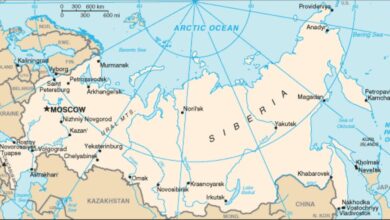
Despite the significant public health response and the sensitive nature of the facility, Russian authorities have denied that pneumonic plague caused the worker’s death. The denial stands in contrast to the initial precautionary isolation of hundreds of contacts, a standard protocol for suspected cases of highly contagious diseases. The specific details regarding the alternative cause of death have not been fully elaborated in available reports, but the official stance is that the worker did not succumb to the plague.
The incident occurred at a facility dedicated to plague research, which inherently involves the handling of lethal pathogens. Such institutes typically operate under strict biosecurity protocols to prevent accidental exposure. The death of a worker in this environment triggers immediate scrutiny regarding safety procedures and containment efficacy. The fact that nearly 200 contacts were identified and monitored suggests a significant period of close proximity or shared exposure prior to the implementation of any quarantine measures.
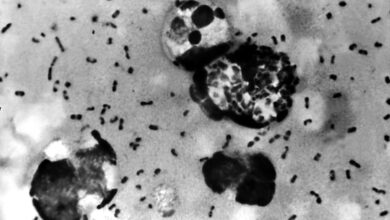
Plague, caused by the bacterium Yersinia pestis, is a serious public health concern globally, particularly in regions with historical endemicity. Pneumonic plague is the most contagious form, transmitted through respiratory droplets, which necessitates rapid isolation and antibiotic treatment to prevent further spread. The distinction between confirmed cases and suspected contacts is critical in managing such events. In this instance, the medical observation of the contacts serves as a preventive measure to ensure no secondary transmission occurred, regardless of the final diagnosis of the initial case.
The regulatory and scientific community monitors such incidents closely to assess biosecurity standards in research environments. While the authorities have ruled out pneumonic plague as the cause of death, the episode highlights the ongoing risks associated with working with high-consequence pathogens. The next step in the public health process will likely involve a final review of the medical records and the status of the observed contacts to formally close the case and release those under observation if no symptoms have emerged.

The situation underscores the complex balance between maintaining scientific research capabilities and ensuring absolute safety for personnel. The denial of plague as the cause of death by Russian authorities aims to mitigate panic and clarify the public health risk. However, the initial scale of the response—nearly 200 people under observation—remains a documented fact of the incident. The final outcome for the observed contacts and the formal conclusion of the internal investigation will provide further clarity on the circumstances surrounding the worker’s death.