Alexander, who registered to run in July, stated that he could not see a viable path to victory. “I just don’t see us catching up, I don’t see that path,” he told reporters on Tuesday. He added that with three weeks remaining until the general election, it would be “very hard” to make the race a competitive three-way affair. Despite his campaign’s efforts to shift public opinion, Alexander acknowledged that polling figures had remained stagnant for more than two months.
The withdrawal comes as advance voting begins across the city, with polls opening at 10:00 a.m. on Tuesday. The decision consolidates the election into a two-horse race, a dynamic that has been suggested by recent polling data. In his final statement, Alexander apologized to voters who had planned to cast their ballots for his candidacy, noting that the race had been a “different beast” than anticipated and that his team had hoped to gain ground faster than they did.
Recent surveys indicate a tight race between the remaining two principal candidates. A Liaison Strategies Toronto Pulse survey released on September 22 showed Mayor Olivia Chow leading Councillor Brad Bradford by seven points among decided and leaning voters. The poll placed Chow, who has served as mayor since 2023 and previously as a city councillor and NDP Member of Parliament, at 47 per cent support. Bradford trailed at 40 per cent, while Alexander stood at 10 per cent. Subsequent polling released on Tuesday morning showed a similar trend, with Chow at 48 per cent and Bradford at 40 per cent, while Alexander’s support had dipped to nine per cent.
Chow and Bradford are expected to continue their campaign activities in the coming days, including a head-to-head debate that was scheduled following Alexander’s exit. The narrow margin of error between the two leaders suggests that the outcome will likely be determined by voter turnout and the mobilization of their respective bases in the final weeks.

As the race narrows, industry stakeholders and community leaders are positioning themselves to engage with the remaining candidates on key policy issues. John Mollenhauer, CEO of the Toronto Construction Association, stated that the industry is maintaining a bipartisan approach while keeping lines of communication open. “We get involved as an industry, in trying to make sure the candidates are aware of the issues that matter most to us,” Mollenhauer said. “We remain bipartisan. That’s always been our approach. We stay out of politics.”
The construction sector, along with other GTA stakeholders, has been monitoring the race closely as they prepare for the final month of the campaign. While they have refrained from open declarations of support for any specific candidate, they are intent on ensuring that their priority issues are addressed in the platforms of the remaining contenders. The focus of the campaign is now shifting to local governance, urban development, and the specific policy promises of Chow and Bradford as they seek to secure a mandate for the next term.
With advance polls open and the general election scheduled for October 26, the political landscape in Toronto has become clearer. The exit of Alexander removes a third voice from the debate, allowing for a more direct comparison of the platforms of the two leading candidates. Voters now have the opportunity to cast their advance ballots, a process that could provide early indicators of the final tally. As the campaign enters its final stretch, the attention of the city and its political observers turns to the strategies and messaging of Chow and Bradford as they compete for the most significant municipal election in recent decades.
The withdrawal also underscores the challenges faced by federal politicians attempting to transition into municipal leadership in a crowded field. Alexander’s campaign, which aimed to capitalize on his national profile and experience in federal cabinet, did not succeed in altering the local political dynamics. His departure leaves Chow and Bradford as the primary figures in a race that many observers are calling the closest for an incumbent in decades.
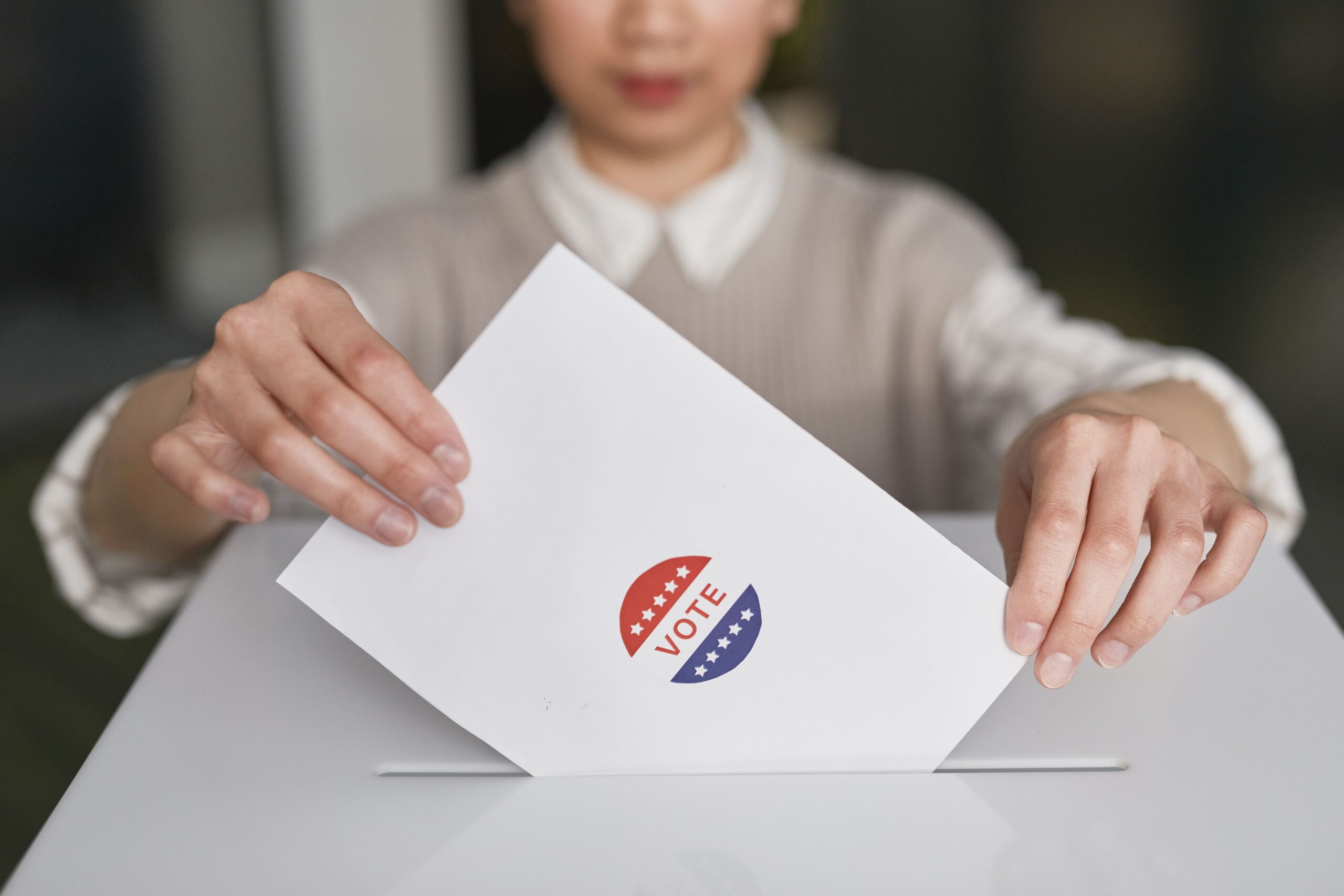
In the immediate aftermath of the announcement, the focus shifts to the mechanics of the election. Advance polls are open to eligible voters, providing an alternative to waiting for the general election day. The city’s election officials are monitoring participation levels as the first day of advance voting concludes. The coming weeks will likely see intensified campaigning, with both major candidates focusing on key demographics and neighborhoods that could swing the result.
The political implications of the two-way race are significant for Toronto’s governance. Chow, as the incumbent, holds the advantage of office and established administrative structures, while Bradford leverages his status as a successful challenger and local council member to position himself as a viable alternative. The debate over their respective platforms, particularly regarding housing, transit, and urban planning, will dominate the remaining campaign period.
As the polls open and close over the next few days, the data will offer a clearer picture of voter sentiment. The Liaison Strategies polls, which have been tracking the race closely, will continue to be updated as more candidates add to their platforms and the public reacts to the narrowing field. The ultimate outcome will depend on the ability of each candidate to translate their policy proposals into voter support in the final vote on October 26.