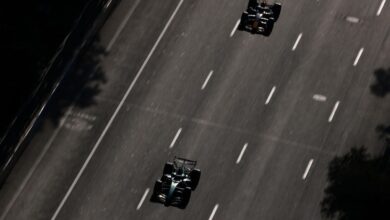

The qualifying session was defined by the misfortune of championship leader Kimi Antonelli, whose run in the first qualifying segment (Q1) was interrupted when he clipped a wall. This incident prevented the Mercedes teammate from securing a more advantageous starting position, allowing Russell to capitalize on the competitive chaos to take the top spot. For a team that has looked quick all weekend, the conversion of this pace into a pole position, despite the main title contender’s error, underscores the depth of the current field. In an exceptionally competitive 2026 season, it is now business as usual to see four different manufacturers represented in the first four grid slots, a testament to the tightness of the competition.
As the grid prepares for the race on Saturday, the strategic landscape at the Baku City Circuit offers a complex array of possibilities. Analysts anticipate that a one-stop race strategy will be the most likely outcome for the majority of the field. However, the decision-making process is far from straightforward, as all three tyre compounds are in contention. The pit windows in Baku are notably wide, providing teams with significant freedom to time their stops to maximize track position and manage degradation.
The competitive dynamics of the 2026 season introduce further variables to the strategic equation. The combination of active aerodynamics and greater energy deployment options suggests that the race may feature a different character than in previous years. While passing has historically been difficult on the street circuit, the new technical regulations imply a higher probability of on-track battles and momentum shifts. This could be crucial for drivers like Antonelli, who is seeking to move closer to the world title and needs to maximize points against a deep field.
The race itself is the 15th round of the 2026 Formula 1 season and is scheduled to take place on Saturday, 26 September. With 51 laps planned, the event will test both mechanical reliability and strategic acumen. Early in the race, as reported in live updates, drivers are already navigating the complexities of track position, with incidents and tactical maneuvers shaping the early order. The presence of ten teams and twenty drivers in contention ensures that the battle for podium finishes and championship points will remain intense through to the final lap.
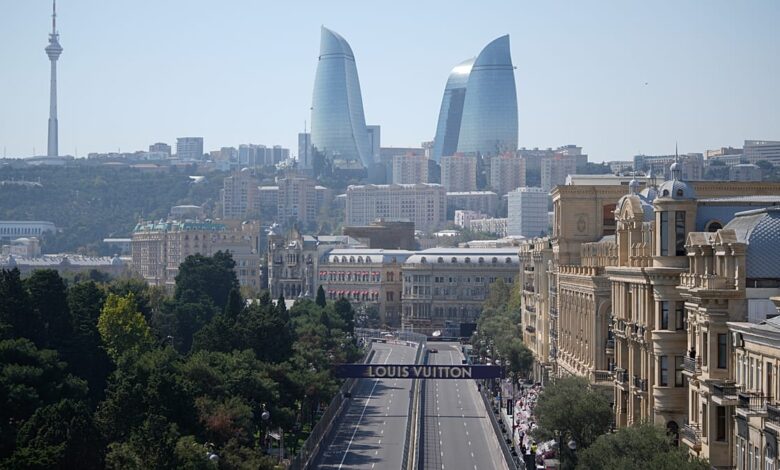
Beyond the racing, the Grand Prix has served as a significant economic catalyst for the host city. Baku has completed a week characterized not only by octane-fuelled competition but also by high-level security facilitation and record investments. The event stands as one of the most dynamic of the year for the capital, combining global sporting attention with substantial commercial activity. The record investments secured during the event week highlight the growing economic footprint of Formula 1 in Azerbaijan, positioning the city as a key hub for the sport’s global expansion.
For the teams, the next 51 laps will be a critical juncture in the championship. Russell, having started from the front, will look to convert his qualifying advantage into a win, while Antonelli and other top contenders will need to execute flawless strategies to challenge the order. The wide tyre options and the introduction of active aero mean that small errors in timing or energy management could prove costly, making the Azerbaijan Grand Prix a pivotal test of consistency for the entire grid.
The result of this race will have immediate implications for the drivers’ and constructors’ standings as the season progresses toward its latter stages. With the championship fight tight, every point is vital, and the Baku circuit, with its unique blend of high-speed straights and tight corners, offers an ideal stage for such battles. As the drivers line up on the grid, the focus shifts from the strategic simulations of the weekend to the reality of race day, where the interplay of skill, machinery, and strategy will determine the final order.