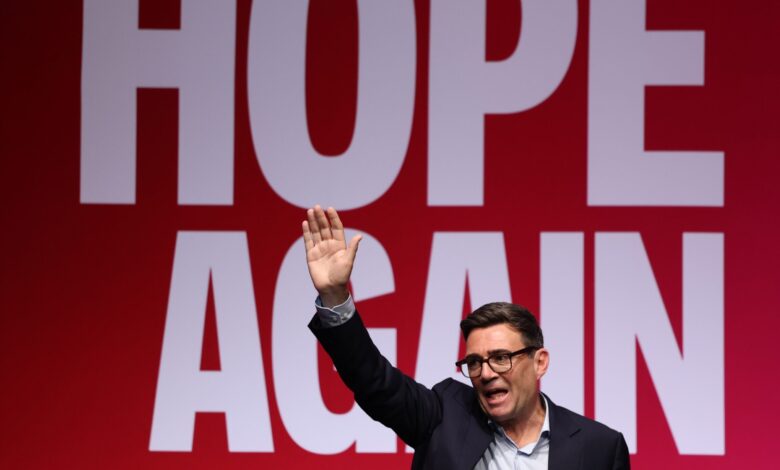
The statement has already generated an immediate diplomatic response. French President Emmanuel Macron has promised to welcome the UK back into the EU, signaling that Brussels allies are taking the potential shift seriously. However, Burnham has clarified that the government will not initiate any moves toward EU membership before the next general election, scheduled for 2029. No specific timetable or detailed roadmap for re-entry has been presented, and the Prime Minister previously stated months ago that he had no intention of “rerunning” the Brexit debate, suggesting the current focus remains on exploring all available options for market access.
The political context for this shift is rooted in the economic realities facing the UK. Analysts note that the UK economy is experiencing stagnation, partly attributed to the estimated 6% cost of Brexit to GDP. Although the UK follows many EU rules in practice, it lacks the unfettered market access that comes with membership. The benefits of Brexit have largely remained abstract, centered on concepts of “taking back control,” while the practical advantages of single-market integration have gone unmet. This economic pressure is compounded by a changing external environment, where conflicts in Ukraine and shifting alliances under the new US administration have isolated the UK from traditional security and trade partners.
Institutional barriers remain significant. For years, the UK and EU have been unable to square their respective “red lines.” The EU insists on the integrity of the single market and a balance of rights and obligations, while the UK has maintained an aversion to free movement and the sovereignty costs associated with the rulings of the European Court of Justice. These constraints have historically limited the UK to either a “Norway model” arrangement, where it becomes a rule-taker via the European Economic Area, or a limited free trade agreement. Bespoke arrangements that allow the UK to pick and choose commitments have never been offered.
Former Prime Minister Tony Blair has also engaged with the issue, with his policy institute publishing a paper calling for Britain to set a course for re-entry into a “reformed European Union” over the next decade. Blair argues that the need for the UK and EU to build capability in defense and artificial intelligence is more pressing than ever. While Burnham has previously distanced himself from Blair’s New Labour legacy, citing the need to focus on domestic issues and the impact of neoliberalism on working-class communities, the two leaders appear aligned on the strategic necessity of deeper European integration in a volatile global landscape.
Public opinion remains a critical factor in any future decision. Polls cited by Blair’s institute indicate that a majority of the British public, and an even larger share of Labour voters, would support rejoining the EU. Burnham’s advisors are currently assessing this public support, recognizing that while the Prime Minister is enjoying a “honeymoon period” with Labour leading in opinion polls, the radical nature of his early policy announcements—such as nationalizing utilities—sets a high bar for further significant shifts in foreign policy. The conversation is unlikely to stop here, as the UK seeks to define its role in a Europe that is increasingly cohesive in its economic and security strategies.