The shift follows a preliminary trade deal signed by Prime Minister Mark Carney in January 2026. Under the agreement, Canada reduced the tariff on Chinese-made electric vehicles from 100% to the standard most-favoured-nation rate of 6.1%. The deal includes a quota of 49,000 vehicles for the first half of 2026, with a second allocation of 24,500 vehicles covering September through February 2027. The quota is projected to expand to 70,000 vehicles annually by 2030. In exchange for this market access, China lowered tariffs on Canadian canola seed from approximately 85% to 15% and removed discriminatory levies on Canadian lobster, crab, and peas.
Tesla’s move to the Shanghai supply chain was driven by structural cost advantages and the collapse of previous supply routes. Giga Shanghai, which delivered 851,000 electric vehicles in 2025, benefits from lower labour costs and a vertically integrated battery supply chain. Prior to the new deal, Tesla faced a dilemma: its Chinese-made cars were subject to a 100% tariff, while its US-made cars from the Fremont factory faced 25% counter-tariffs imposed by Ottawa in response to US measures. This made the Fremont-sourced Model 3 Long Range AWD, priced at C$79,990, economically untenable for the Canadian market.
Quota Utilization and Market Dynamics
Adoption of the new tariff structure has been swift. As of August 21, 15,063 vehicles had cleared customs, representing 61.5% of the 24,500 permits available in the current window. Global Affairs Canada data indicates that 5,982 vehicles were imported in July, with August volumes reaching 4,950 units across the first 21 days of the month. The import pattern suggests batch arrivals rather than a steady daily flow, with weekly volumes fluctuating between 300 and 2,400 units. With the first window closing on August 31, officials note that filling the remaining 9,437 permits would require an average of 940 vehicles per day, a rate significantly higher than the current monthly average.
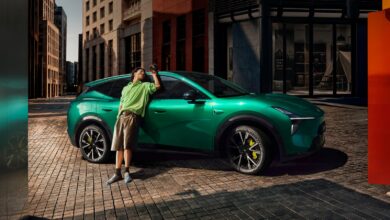
While Tesla has established a presence with 39 stores across Canada, Chinese competitors such as BYD, Geely, Nio, and Xpeng are still in the process of setting up sales networks. However, the trade deal includes a clause reserving half of the annual quota for vehicles priced under C$35,000. Currently, most Tesla models exceed this threshold, a restriction that analysts believe will provide breathing room for Chinese brands to enter the market with more affordable offerings. Both Tesla and key Chinese competitors, including Volvo and Polestar (owned by Geely), which previously exported to Canada before the 2024 tariffs, did not immediately respond to requests for comment regarding their specific 2026 sales strategies.
The timing of the quota reports coincides with ongoing trade tensions between Canada and the United States. A three-day postponement of a threatened 50% US tariff on Canadian goods expired without a finalized agreement, leading Washington to begin enforcing levies on roughly $20 billion of Canadian imports. Prime Minister Carney has announced that Canada will implement retaliatory tariffs on US imports starting September 8. This complex trade landscape underscores the strategic pivot toward new markets, with the China deal providing a critical buffer for Canadian consumers seeking more affordable electric vehicle options.
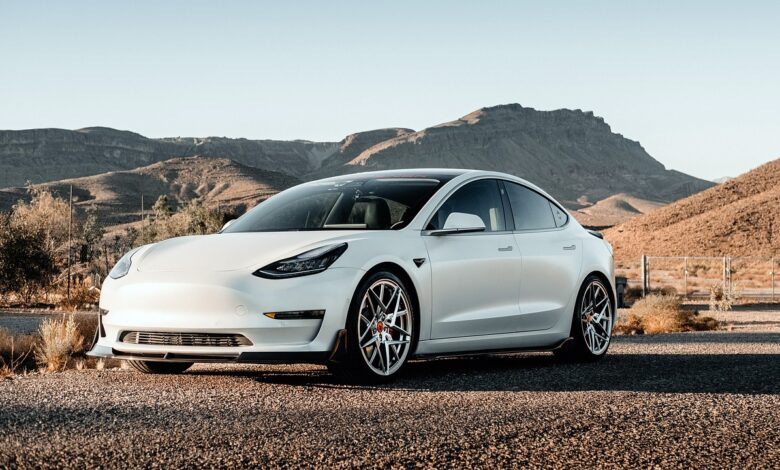
The Shanghai-built Model 3 Premium RWD offers 463 kilometres of range and a 0-100 km/h sprint time of 4.2 seconds. Notably, these vehicles do not qualify for Canada’s C$5,000 Electric Vehicle Affordability Program rebate, which requires manufacture in a free-trade partner country. However, the base price of C$39,490 is considered low enough that the absence of the rebate is unlikely to deter significant buyer interest. As the quota nears its limit, the market awaits the entry of additional Chinese manufacturers, which could further compress prices and intensify competition in the North American EV sector.