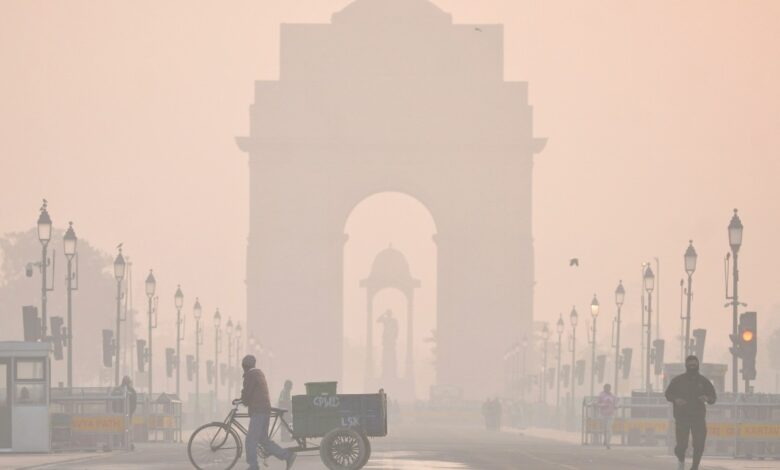
The central development in this environmental effort is the implementation of phased, strict controls aimed at preventing the sharp decline in air quality that historically characterizes the winter season in the National Capital Region. While the capital recorded an average AQI of 166 in October 2026—a marked improvement from 223 in October 2025 and the 234 recorded in 2019—the government is moving to prevent potential deterioration in the coming months. The measures, which extend to February 28, reflect a proactive stance by the Commission for Air Quality Management (CAQM) and the Delhi government to manage the complex interplay of vehicular emissions, construction dust, and meteorological conditions that define the region’s air quality challenges.
The most prominent restriction involves traffic. From November 1 to January 31, vehicles registered outside Delhi that meet BS-IV or older emission standards are barred from operating within the capital. This ban specifically targets older, higher-emitting vehicles entering the city, while exempting CNG and electric vehicles, as well as essential services such as ambulances, fire tenders, and police vehicles. The enforcement mechanism relies heavily on technology, with Automatic Number Plate Recognition (ANPR) cameras installed at entry points and key locations to identify violations. Non-compliant vehicles face electronic challans, and in severe cases, impoundment by traffic police. Dedicated teams are also conducting physical inspections to ensure compliance, creating a multi-layered enforcement net.
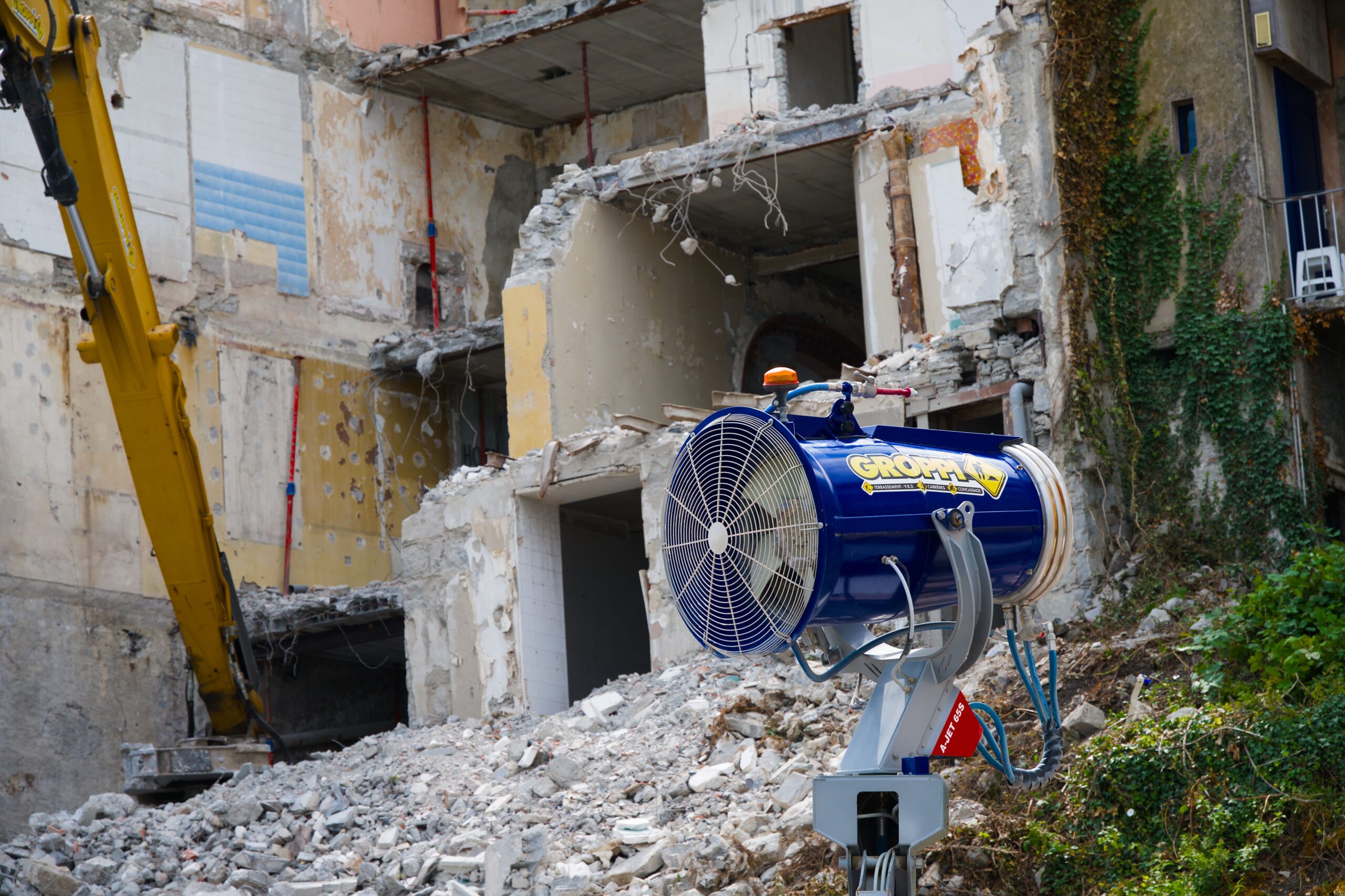
Simultaneously, the construction sector faces significant curbs. All dust-generating demolition and outdoor civil construction work is prohibited from November 1 to January 31, with exceptions only for specified essential public infrastructure projects that meet strict dust-control conditions. The restrictions intensify between December 10 and January 20, when all construction and demolition activities are completely banned, barring narrowly defined exemptions. Indoor finishing, plumbing, and electrical work remain permitted but are subject to rigorous oversight. Teams from the Delhi Pollution Control Committee (DPCC) and municipal bodies are tasked with inspecting sites, with unauthorized activity inviting immediate stop-work notices, environmental compensation penalties, and legal sealing.
To further discourage private vehicle use and reduce peak-hour congestion, parking fees at authorized lots across Delhi have been doubled from November 1 to February 28, excluding facilities managed by the Delhi Metro Rail Corporation. Complementing this, a 50% work-from-home mandate has been imposed on both government and private offices between November 1 and January 31. Essential and emergency services are exempt. To mitigate traffic spikes during remaining peak hours, office timings have been staggered; the Municipal Corporation of Delhi operates from 8:30 am to 5:00 pm, while other Delhi government offices function from 10:00 am to 6:30 pm.
The scientific context for these measures is underscored by recent data released by the Ministry of Environment, Forest and Climate Change. Delhi’s average AQI for the period from January 1 to October 31, 2026, stood at 167, slightly lower than the 170 recorded in the same period in 2025. The city experienced 220 days in the “Good to Moderate” category (daily average AQI below 200) during the first ten months of 2026, a count higher than 200 in 2025, 201 in 2024, and 206 in 2023. Only 2020, with 224 such days, recorded a higher count. In terms of particulate matter, the average PM2.5 concentration dropped to 69 micrograms per cubic meter (down from 72 in 2025), indicating an improvement in fine pollution. However, average PM10 concentration rose to 171 micrograms per cubic meter from 166 in 2025, highlighting that while finer particles have decreased, coarser dust remains a concern, likely linked to construction and road activity.

Chief Minister Rekha Gupta has appealed to residents, vehicle owners, and commercial establishments to comply with these restrictions, urging the use of public transport or carpooling and the avoidance of open burning of waste or dry leaves. The enforcement framework is coordinated through an AI-enabled Integrated Command and Control Centre, which monitors camera feeds, violations, e-challans, and construction site actions in real-time. Special teams are directed to respond immediately to reported violations, ensuring a rapid feedback loop between detection and action.
While the October figures suggest a positive trend, the winter season remains a critical period for air quality in Delhi-NCR. The CAQM states it is working with stakeholders to prevent, control, and reduce pollution, with efforts to be intensified in the coming months. The combined effect of the vehicle ban, construction halt, and reduced office attendance aims to lower the baseline emissions during the meteorological conditions that typically trap pollutants in the lower atmosphere. The outcome of these measures will be monitored closely, with the next verified development being the enforcement actions and air quality data recorded in the weeks following the implementation date, determining whether the 2026 winter can match or exceed the improved metrics observed in October.