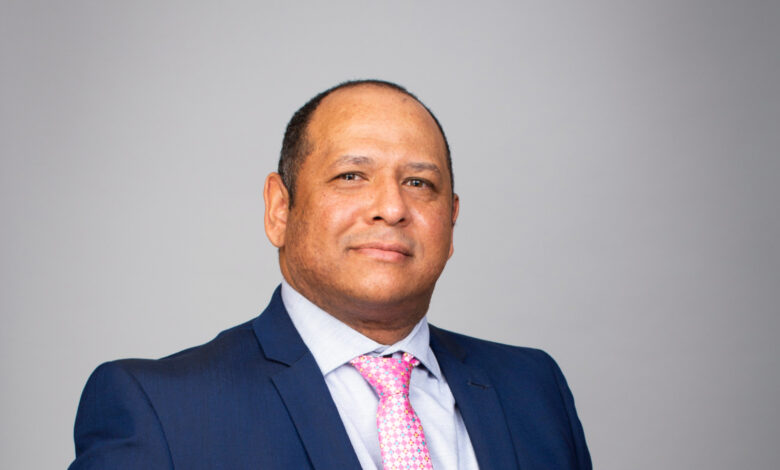
Cassim’s departure is particularly significant as it coincides with Eskom’s return to profitability, a milestone the utility attributes in part to his stewardship. In its financial year ended March 2026, Eskom reported a profit after tax of R30.3 billion, more than doubling the restated R14 billion profit recorded the previous year. This marks the company’s first annual profit in eight years. The turnaround was driven by a combination of operational improvements, specifically a drastic reduction in load shedding, and a 12.7% average increase in electricity tariffs, which drove a 4.1% rise in revenue.
The operational stability underpinning this financial recovery is evident in the grid’s performance. Frequent load shedding, which had constrained Africa’s largest economy for over a decade, has become much less common. Eskom implemented rolling blackouts on just four days during the 2026 financial year, a sharp decline from 13 days the prior year and a record 329 days in 2024. This reliability has been critical in restoring confidence in the utility’s ability to service its debt and fund future capital requirements.

However, the path forward is not without significant headwinds. While earnings have surged, Eskom faces mounting pressure from weaker electricity demand and the unresolved issue of municipal debt. Revenue growth was partly offset by a 6.2% decline in electricity sales volumes. Furthermore, the idling of the Mozal aluminium smelter in Mozambique, which was placed under care and maintenance after failing to reach a tariff agreement with Eskom, is expected to weigh on results in the current financial year.
The most acute financial threat remains unpaid debt from municipalities and metropolitan areas, which account for more than 40% of Eskom’s sales. Municipal debt rose by 17.9% to R111.6 billion in the 2026 financial year. Eskom warns that this figure could climb to R358 billion by the 2031 financial year unless decisive action is taken. The financial impact of this non-payment is substantial; Cassim noted that Eskom’s earnings would have been approximately R15 billion higher had the R15.8 billion owed by municipalities been collected, as revenue from non-paying municipalities is only recognized when cash is received. Gross debt stood at R356 billion at the end of March 2026, up from R327.7 billion a year earlier, underscoring the scale of the balance sheet challenges that remain.
Cassim served in various capacities over his two-decade-plus tenure, including a year as acting Group Chief Executive. His transition out of the GCFO role is being managed carefully to ensure continuity. He will remain in an acting capacity until the appointment of his successor becomes effective. Eskom has stated its aim to appoint a new Group Chief Financial Officer before the end of the 2026 calendar year. The Board and Executive Management have thanked Cassim for his dedicated service and his key role in strengthening the company’s financial position, acknowledging that his continued support in an acting role is vital during this transition period.
As Cassim moves toward retirement, the narrative for Eskom shifts from survival and restructuring to sustaining recovery. The utility has shown that operational discipline and tariff adjustments can yield significant financial results, as evidenced by the jump to R30.3 billion in profit. Yet, the sustainability of this model depends heavily on external factors beyond Eskom’s direct control, particularly the fiscal health of its largest customers, the municipalities. Until the R111.6 billion in municipal debt is addressed, the utility’s ability to execute its capital requirements without further strain on its balance sheet remains a critical question. As the search for a new CFO proceeds, the incoming leader will inherit a company that is financially stronger than it was a decade ago, but still navigating a complex landscape of demand stagnation and regional credit risk.