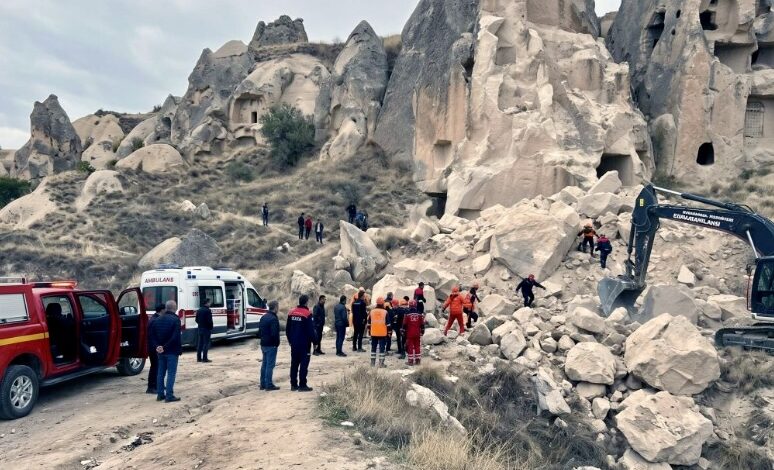
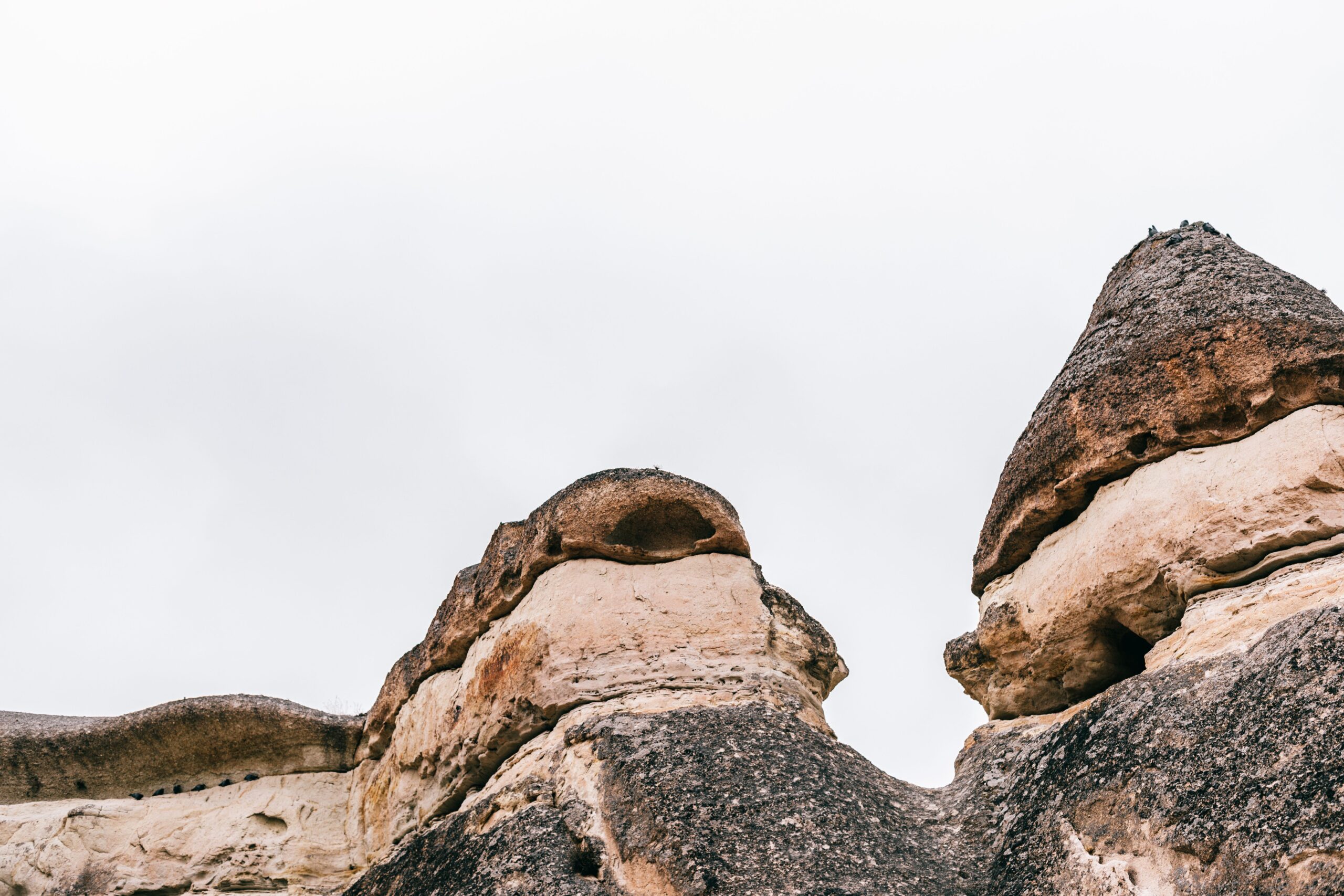
The incident, which occurred in the town of Goreme, has reignited concerns about the structural integrity of the region’s unique geology. According to Nevsehir Governor Huseyin Kok, the collapse was triggered by heavy rainfall that preceded the event. The water likely saturated the soft volcanic rock, destabilizing the formation and causing a landslide that detached the upper portion of the spire. While the immediate cause was the weather, the underlying vulnerability lies in the geological composition of the landscape itself. The fairy chimneys are not permanent fixtures; they are the result of millions of years of wind and water erosion acting on soft volcanic tuff, capped by harder basalt. This natural process, which created the distinctive cone-shaped formations, also makes the structures prone to weathering and occasional rockfalls, particularly after periods of intense precipitation.
The human cost of the event was confirmed by local and national officials. Governor Kok stated that rescue teams initially recovered two bodies from the rubble, with a third victim discovered overnight, bringing the total death toll to three. Among the deceased were two Turkish citizens and one foreign national. Five other individuals were injured in the collapse; according to reports, some of these victims were later discharged from hospital. Eyewitnesses described the moment of impact as accompanied by a loud noise and a significant dust cloud, which obscured the area before rescue operations could begin. The area was immediately closed to the public, and search operations continued under floodlights through the night to ensure no one remained trapped under the debris.
This is not the first time that geological instability has affected the Cappadocia region. Turkish authorities have previously carried out restoration and monitoring work to address erosion and climate-related risks. Smaller, non-fatal collapses were recorded in the area in both 2024 and 2025, indicating a pattern of increasing instability. The Goreme Open-Air Museum and its surroundings were inscribed on the UNESCO World Heritage List in 1985, recognized for their blend of natural landforms and human history, including Byzantine rock-cut churches and underground settlements. The site’s fame, which draws tourists for hot-air balloon rides, hiking, and geological exploration, places a significant number of people in close proximity to these fragile formations, particularly during peak holiday periods like Republic Day.
The collapse has prompted an official response aimed at understanding the specific factors that led to the failure of this particular formation. Turkish Justice Minister Akin Gurlek announced that an investigation would be launched by the chief prosecutor’s office, involving expert assessments to determine the precise mechanical and environmental conditions that contributed to the collapse. While the Governor cited heavy rain as the likely cause, determining the exact sequence of geological events requires detailed analysis. The involvement of the prosecutor’s office suggests that the inquiry will look beyond natural causes to ensure that all safety protocols and monitoring systems were functioning as intended. This investigation is crucial not only for accountability but also for informing future mitigation strategies in a region where tourism and natural heritage are inextricably linked.
The broader context of the incident raises questions about the impact of changing weather patterns on geological stability. While the sources confirm that heavy rainfall triggered the specific event, they do not provide detailed meteorological data to establish a direct causal link to long-term climate change. However, the mention of “climate-related risks” in the context of previous monitoring efforts suggests that authorities are aware of the growing frequency or intensity of precipitation events that can exacerbate erosion. The soft rock of Cappadocia is particularly susceptible to rapid weathering when exposed to intense rain, which can increase the weight of the waterlogged material and reduce the friction between rock layers. As such, the incident serves as a stark reminder of the dynamic and sometimes hazardous nature of the landscape that visitors come to admire.
In the aftermath, the focus shifts to adaptation and safety management for the region. The closure of the site following the collapse is a standard immediate response, but the long-term implications for tourism and heritage conservation are significant. The region remains one of Turkey’s most visited destinations, and balancing the preservation of the natural and cultural heritage with the safety of tourists is a complex challenge. The documented history of smaller collapses in recent years indicates that the risk is not isolated but part of a broader trend of geological activity in the area. Future management strategies may need to incorporate more advanced monitoring technologies and stricter access controls during periods of inclement weather to mitigate the risk of similar incidents.
As the dust settles on the site of the collapse, the immediate crisis has given way to the work of investigation and recovery. The search for answers continues, with experts and officials examining the debris and reviewing maintenance records to understand why this specific formation failed. The three lives lost and the five injured serve as a somber reminder of the power of natural forces and the fragility of the geological structures that define this World Heritage site. While the full findings of the investigation have yet to be released, the incident underscores the ongoing tension between the allure of natural wonders and the imperative to protect human life in an environment that is constantly changing.