Breaking a nearly 50-year record
The record-breaking temperatures were measured on Saturday, with DMI confirming the milestone via social media posts. Initial readings of 36.6°C were recorded north of Odense around 2:00 pm local time (12:00 GMT), marking the warmest day since meteorological measurements began in 1874. However, the record was broken again later in the day when 37.0°C was measured at Odum, north of Aarhus. DMI noted that the previous record had held for nearly five decades, underscoring the magnitude of this particular weather event.
The development follows a week of escalating forecasts. On Monday, DMI issued a Category 1 warning for a heatwave, covering the entire country except for the islands of Bornholm, Samsø, and Læsø. At that time, meteorologists predicted temperatures could soar past 30°C, with peaks of 33°C expected by Friday and Saturday. DMI defines a heatwave as a period where the average of the highest temperatures over three consecutive days exceeds 28°C. While initial forecasts suggested the weekend might challenge the 35.5°C record set in June 1947, the actual measurements significantly exceeded those preliminary projections.

“It is still uncertain what the highest temperatures will be, but current forecasts indicate that temperatures may become so high and persistent that the criteria for a heat wave will be met in several places in the country,” DMI meteorologist Sandra Nygaard stated in an earlier communication.
Public health warnings and local impacts
As the heatwave rolled over Denmark starting Wednesday, officials advised the public to take immediate precautions to avoid overheating. Nygaard emphasized that several days of hot temperatures can place significant strain on the human body. Recommended measures included seeking shade, drinking plenty of water, wearing a hat, and using loose-fitting clothing to prevent heatstroke. DMI indicated that it might upgrade the warning from Category 1, defined as “severe weather,” to Category 2, defined as “hazardous weather,” depending on how the situation evolved over the coming days.
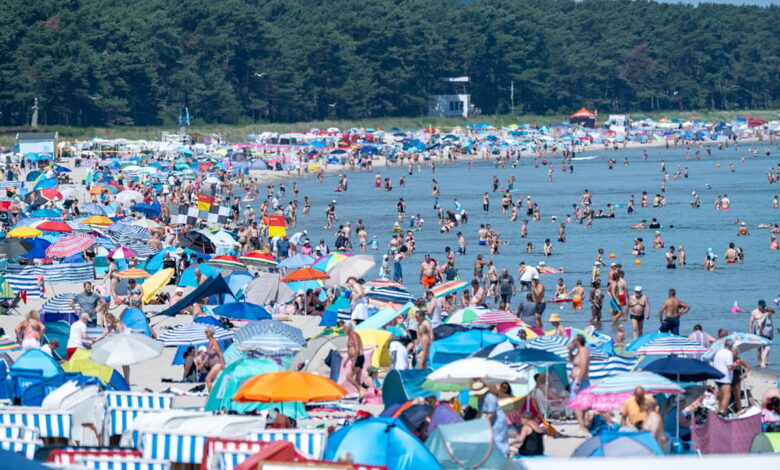
The extreme conditions had a tangible impact on daily life and major public events. The record temperature coincided with the opening of the Roskilde music festival. With approximately 50,000 attendees present, organizers set up water stations to help manage the heat. One festival attendant described the conditions as “unbearable,” noting the difficulty of dragging luggage to the campsite in the intense heat. Across the country, residents were seen seeking relief at beaches and along urban docks, a common adaptation strategy during sudden spikes in temperature.
While the 37.0°C mark represents an unprecedented high for Denmark, it remains below the hottest temperatures recorded in other parts of Europe during similar summer heatwaves. However, for Denmark specifically, the shift from a previous record of 36.4°C to 37.0°C signals a notable intensification in peak summer temperatures. The distinction between individual weather events and long-term climate trends remains important; while this specific heatwave is a discrete event, the frequency and intensity of such events are subjects of ongoing scientific analysis regarding broader warming patterns.
DMI continues to monitor the situation, with the potential for further temperature increases or sustained high heat over the coming days. The agency’s Category 1 warning remains in effect for most of the country, highlighting the need for continued vigilance among residents and local authorities. As the heatwave persists, the focus remains on public health mitigation and the operational responses of emergency services and event organizers to ensure safety during this exceptional weather episode.