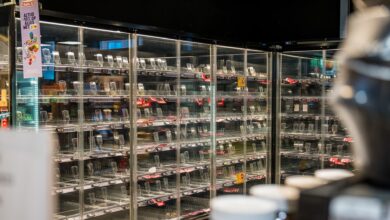
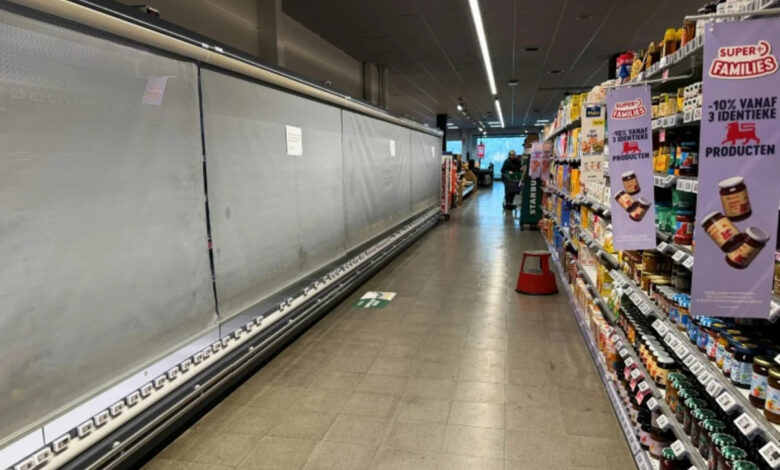
The attacks, which occurred over recent days, targeted the control systems of supermarket freezers and industrial refrigeration units. In Germany, four outlets were affected, while officials in Romania reported six impacted locations. In the United Kingdom, National Cyber Security Centre chief Richard Horne told the BBC that the issue affected the “whole food supply chain,” with staff working through the night to alert those at risk. He noted that “vulnerable technology had been exploited,” a sentiment echoed by the British Association of Independent Meat Suppliers (AIMS), which reported members seeing fridges defrost or temperatures in cold units spike uncontrollably.
Italy has been among the more significantly affected countries, with reports of around 20 outlets hit nationwide. The Italian government held emergency talks involving intelligence chiefs, the National Cybersecurity Agency (ACN), and cabinet ministers, including Agriculture Minister Francesco Lollobrigida. While the government stated that the impact was “highly limited” and affected outlets with outdated security systems, the ACN detected a suspected attack against a frozen-food producer in Emilia-Romagna and received an incident notification from a catering company in Tuscany. Prime Minister Giorgia Meloni’s office issued a statement emphasizing that there was no reason for public alarm regarding food safety, but that institutions remained on high alert.
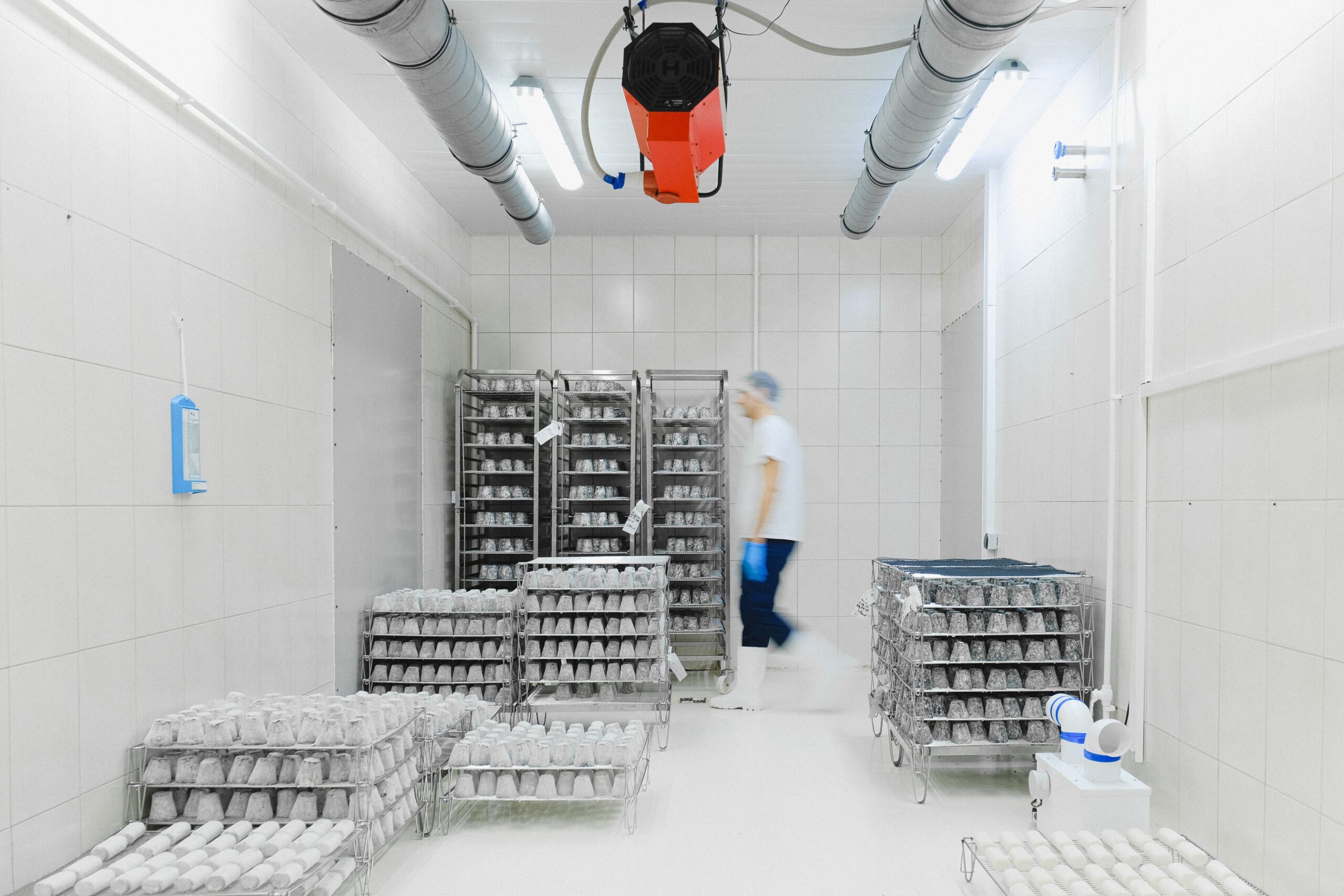
The technical mechanism behind these disruptions highlights a critical vulnerability in the Internet of Things (IoT) infrastructure supporting the food industry. Carlos Cancinos, spokesperson for the Swedish Coop chain, explained that the refrigeration equipment affected overnight was connected to “old 4G networks.” He announced that the group had launched a major modernization program to equip connected refrigerators to operate via 5G networks, a measure intended to solve a large share of such problems by improving the security and reliability of the communication layer between the physical cooling units and the central management systems.
European Commission food and agriculture commissioner Christophe Hansen labeled the incidents a “deliberate attempt to disrupt our food supply chain.” In response, EU agencies held meetings with national authorities to formulate a collective response. EU spokesman Thomas Regnier emphasized that these were not isolated incidents, stating, “we have to be collectively resilient and prepared for such cyber incidents.” He declined to point fingers at specific culprits, as the motive remains unknown and no group has claimed responsibility.
Analysts and security experts are working to contextualize the attacks within the broader landscape of hybrid warfare. Research published on October 22 by Vedere Labs, the research division of US cybersecurity company Forescout, documented more than 20 claimed attacks against industrial and commercial refrigeration systems since the beginning of 2026. However, Forescout’s findings document relevant precedents but do not establish responsibility for the latest incidents. Dan Cimpean, director of Romania’s National Cyber Security Directorate, described the current attacks as “semi-amateurish,” stating, “We do not suspect, under any circumstances, that it is a state actor.” In contrast, Giovanni Donzelli, vice president of Italy’s parliamentary intelligence oversight committee, COPASIR, described the incidents as evidence of an ongoing hybrid conflict.
The commercial and social implications of these attacks extend beyond immediate financial losses. The ability to remotely manipulate internet-connected industrial refrigeration systems demonstrates how relatively inexpensive cyber intrusions can lead to physical disruptions in essential civilian services. Belgium, one of the hardest-hit countries, has seen dozens of stores across several grocery chains report refrigeration failures, prompting federal prosecutors to open an investigation. Despite the scale, there is no evidence of widespread food safety risks; the primary consequence has been the spoilage of perishable goods and the operational paralysis of retail outlets.
As retailers move to modernize their infrastructure, the incident serves as a stark reminder of the fragility of connected industrial technologies. The transition from legacy 4G connections to more secure, modern networks like 5G is becoming a critical component of supply chain resilience. Until these upgrades are complete, European food distributors remain exposed to vulnerabilities that require relatively little technical sophistication to exploit, leaving the continent’s cold chain susceptible to future disruptions.