

The central development here is the formalization of OpenAI’s response to the specific risks associated with high-stakes elections. While previous concerns about AI in politics often revolved around the potential for widespread deepfakes or automated voter suppression, the current focus, as articulated by Lawson, is on maintaining the safety and reliability of the platform during periods of intense public scrutiny. The “war room” structure represents a shift from passive policy enforcement to active, real-time monitoring. It acknowledges that the speed of AI-generated content requires a corresponding speed in human oversight, particularly when that content intersects with civic life.
Technologically, the challenge lies in distinguishing between benign usage and harmful manipulation. Generative AI models like ChatGPT are powerful tools for research, drafting, and analysis, making them attractive to political strategists, journalists, and candidates alike. However, this utility is inextricably linked to the risk of generating disinformation or misleading narratives. The safeguards planned for Election Night are designed to detect and mitigate these risks without unduly restricting legitimate use. While the specific technical algorithms used for detection remain proprietary, the operational framework involves a team of experts reviewing flagged content and adjusting safety parameters in real-time. This is not a fully automated system; it is a hybrid model where human judgment, guided by technical signals, plays a crucial role in determining what crosses the line from protected speech to harmful manipulation.

The access to these safeguards is limited to the internal operations of OpenAI, but their impact is felt by the broader ecosystem of users who interact with the company’s models. For developers and businesses integrating AI into their political or civic tools, this means that the terms of service and safety guidelines become more strictly enforced during election periods. The commercial context is clear: OpenAI is positioning itself as a responsible steward of its technology, aiming to avoid being seen as an enabler of electoral fraud or disinformation. This stance is critical for maintaining trust among institutional clients, from news organizations to government bodies, who may be reluctant to adopt AI tools if they perceive a risk to their credibility or to the democratic process itself.
Evidence supporting the efficacy of these measures is currently anecdotal, rooted in the operational readiness of the team rather than in post-event metrics, which are yet to be realized. The primary “proof” is the existence of the dedicated infrastructure and the public commitment from senior leadership like Lawson. However, technical limitations remain. No AI moderation system is perfect. The nuance of political speech, the context of local elections, and the rapid evolution of disinformation tactics present challenges that current models may not fully solve. There is a persistent tension between the desire for absolute safety and the risk of over-censorship, where legitimate political expression is inadvertently throttled by overly sensitive filters. This balance is difficult to strike, especially in a decentralized digital environment where the same tool can be used by a local council member to draft a grant proposal and by a bad actor to generate a fake news story.
The social impact of these safeguards extends beyond the immediate election. By establishing a precedent for “election mode” operations, OpenAI is signaling to the wider tech industry that civic integrity is a core requirement for AI deployment. This affects users by potentially introducing more friction or warnings when engaging with sensitive topics during election cycles. For developers, it suggests that future API integrations may include specialized endpoints or safety layers for civic applications. The regulatory questions are also becoming more pronounced. As governments around the world begin to draft AI regulations, the internal practices of companies like OpenAI will likely serve as a benchmark. The “war room” model could become a standard compliance requirement, forcing companies to demonstrate not just that they have safety features, but that they have active, human-led operational centers ready to respond to crises.
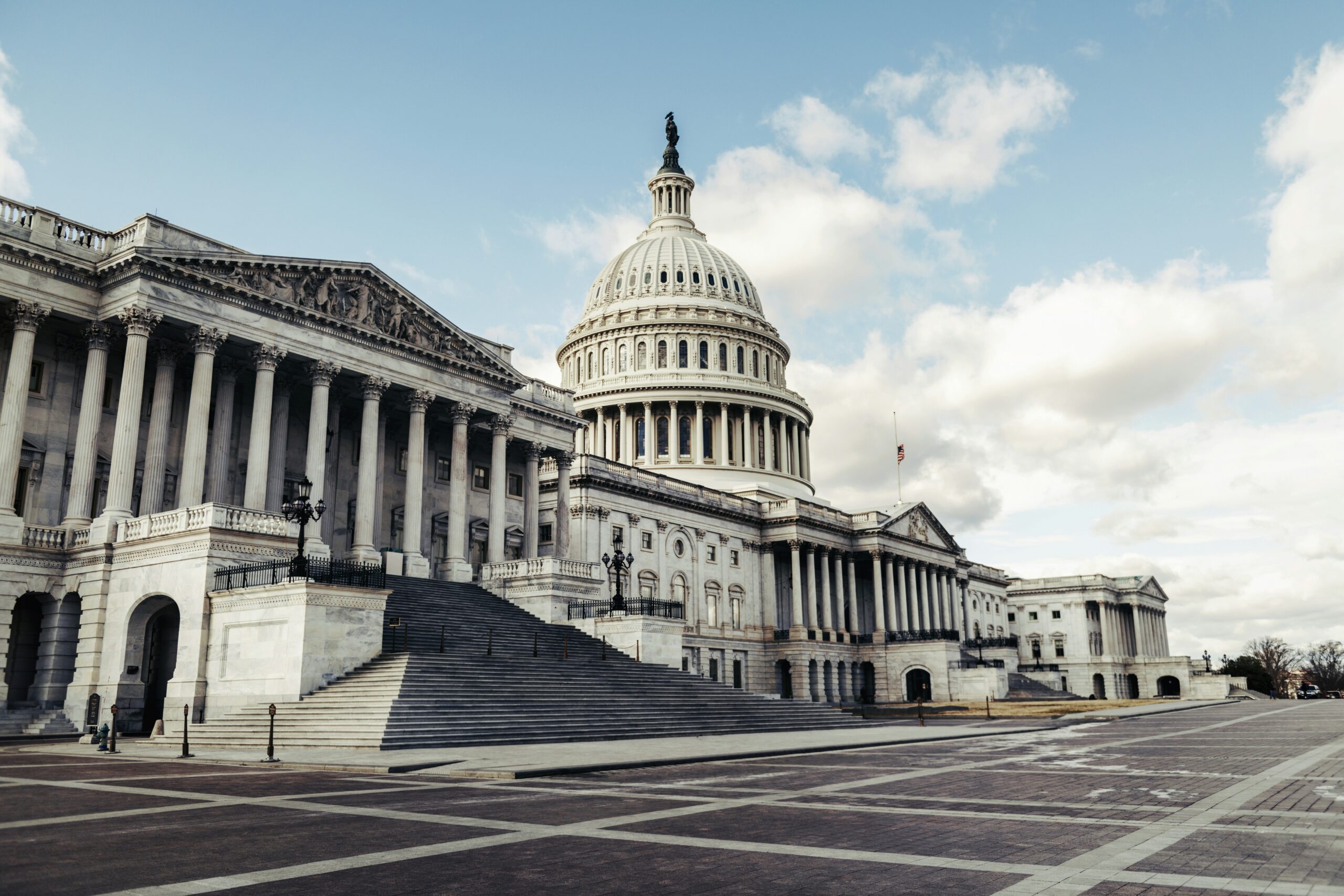
Privacy and security concerns are also at the forefront. The monitoring of user interactions, even for safety purposes, raises questions about data retention and surveillance. OpenAI has stated that its actions are guided by its privacy policies and terms of service, but the scale of monitoring during an election period is unprecedented. The company must ensure that its safeguards do not inadvertently create new vulnerabilities or expose user data to unauthorized parties. Furthermore, the competition among AI providers means that if OpenAI’s safeguards are perceived as too restrictive, users may migrate to less regulated platforms, potentially exacerbating the disinformation problem. The interplay between competition, safety, and civic duty is complex, and OpenAI’s approach will be closely watched by regulators, civil society groups, and political stakeholders.
As the midterms approach, the “election war room” remains a quiet but critical component of the technological infrastructure supporting the election. It is a testament to the growing recognition that AI is no longer just a tool, but a participant in the political sphere. The next confirmed development will be the actual implementation of these protocols on Election Night, where the theoretical safeguards will be tested against the real-world chaos of a national voting event. The success of this effort will not be measured in clicks or revenue, but in the preservation of public trust in both the technology and the democratic process it touches.