As of the latest updates, officials reported no casualties or structural damage resulting from the tremors. However, AFAD emphasized that field surveys were ongoing to verify the absence of impact, a standard protocol given the potential for delayed structural failures or minor injuries that may not be immediately apparent. The agency stated that no adverse effects had been reported so far, but maintained a state of readiness to assess the situation in real-time.
The geographic reach of the tremor extended beyond the immediate epicenter. Residents in Adana, the provincial capital, felt the shaking, as did populations in several neighboring provinces. AFAD confirmed that the earthquake was felt in Kahramanmaras, Osmaniye, Kayseri, and Gaziantep. This widespread perception of the event is consistent with the seismic activity patterns in southern Türkiye, a region situated along complex tectonic boundaries that have been a focus of ongoing geological monitoring.
This event follows a period of recurrent seismic activity in the country. In May of this year, a magnitude 5.6 earthquake struck Malatya province in southern Türkiye, also resulting in no reported injuries. While these recent events have not caused catastrophic loss of life, they serve as a reminder of the persistent seismic risk in the region. Such tremors are distinct from the catastrophic events of February 2023, when a series of devastating earthquakes struck southeastern Türkiye, killing more than 53,000 people and causing widespread destruction across multiple provinces. The contrast between the current magnitude 5 event and the earlier doublet highlights the variability in seismic intensity and the critical importance of rapid, accurate assessment in distinguishing between routine tremors and major disasters.
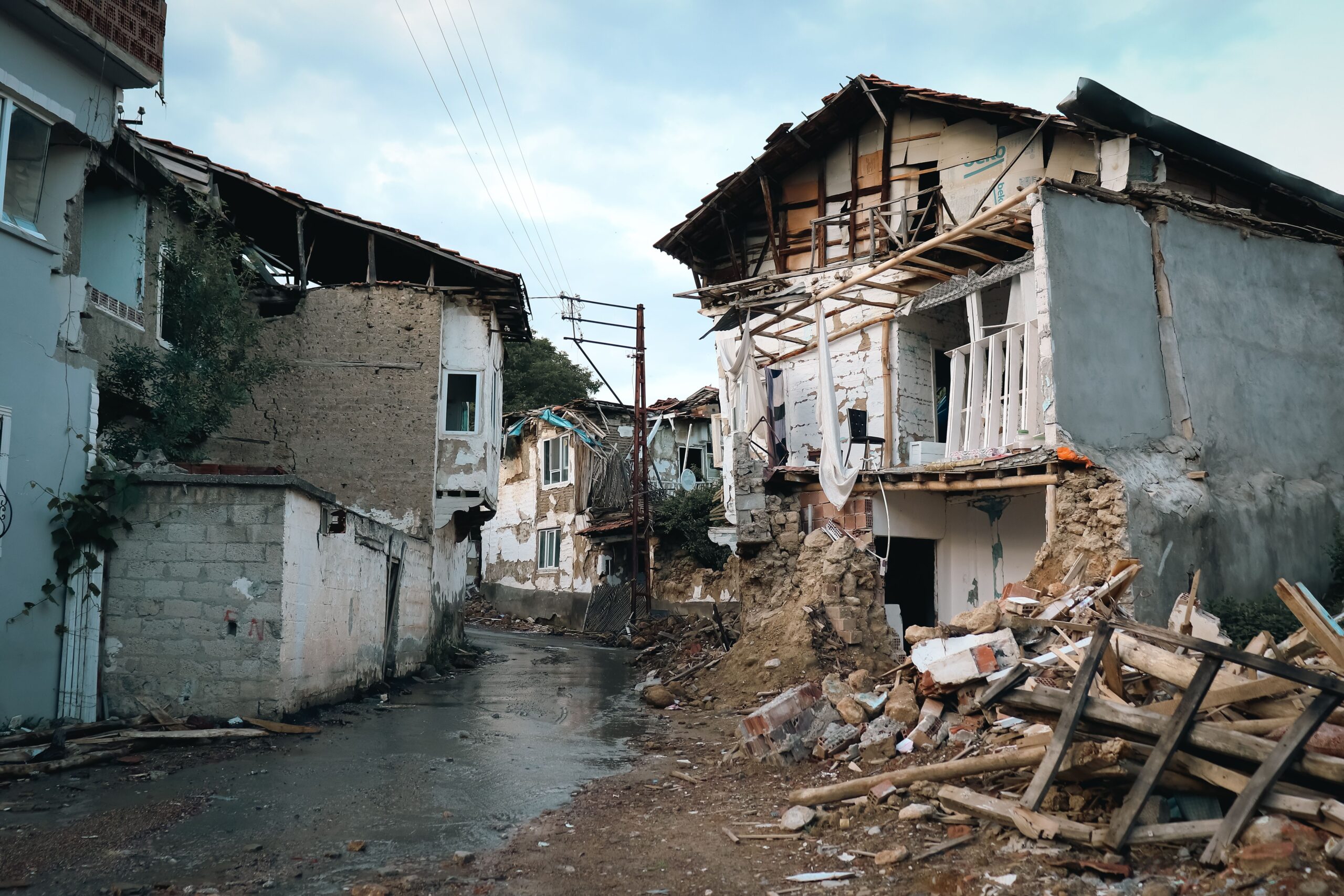
The shallow depth of seven kilometers is a significant factor in the felt intensity of the earthquake. In seismology, shallower earthquakes generally cause more intense shaking at the surface because the energy dissipates less before reaching the ground. While a magnitude 5 is often classified as a “moderate” earthquake, the combination of shallow depth and local soil conditions can lead to noticeable structural stress, particularly in older buildings or areas with poor construction standards. The fact that no damage was reported is a positive indicator, but the continuation of field assessments underscores the precautionary approach taken by emergency management authorities.
The involvement of multiple provinces in the felt area—Kahramanmaras, Osmaniye, Kayseri, and Gaziantep—suggests that the seismic wave propagation was significant. These provinces are all located in the broader central and southern Anatolian region, an area that has been under increased scrutiny following the 2023 disaster. The recurrence of seismic events in these areas, even at lower magnitudes, necessitates continuous monitoring and public awareness campaigns to ensure that populations remain prepared for potential future events.
While the immediate outcome of this specific earthquake appears to be benign, the broader context of seismic activity in Türkiye remains a critical issue for both public safety and economic stability. The country’s geological position makes it vulnerable to frequent tremors, and the infrastructure in many southern and eastern provinces is still in the process of recovery and reinforcement from the earlier disasters. The absence of damage in Saimbeyli and the surrounding areas is a result of a combination of factors, including the magnitude of the event, the depth of the hypocenter, and the resilience of local structures.

Authorities have not indicated any immediate changes to emergency protocols beyond the ongoing field surveys. The focus remains on verifying the structural integrity of buildings and monitoring for aftershocks, which are common in the days following a significant seismic event. The public has been advised to remain vigilant and to follow official communications from AFAD and local disaster management agencies.
The event serves as a recent data point in the ongoing assessment of seismic risk in southern Türkiye. While it does not alter the long-term geological understanding of the region’s tectonic activity, it reinforces the need for sustained investment in seismic-resistant construction, early warning systems, and disaster preparedness. The distinction between this event and the catastrophic earthquakes of February 2023 is crucial, as it highlights the difference in scale and impact, while also reminding the population of the ever-present risk posed by the region’s tectonic setting.
As field assessments continue, the primary objective is to confirm the absence of hidden damage and to ensure that any potential vulnerabilities are identified and addressed. The cooperation between national authorities and local emergency services is essential in maintaining public confidence and ensuring that the response is both swift and effective. The lack of casualties and damage in this instance is a welcome outcome, but the ongoing monitoring reflects the serious nature of seismic activity in the region.