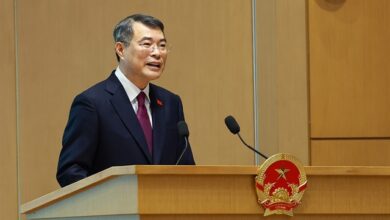
The central figures in this immediate diplomatic development are the human rights ombudsmen of the two warring nations. Ukraine’s human rights ombudsman, Dmytro Lubinets, announced on Wednesday that he would be meeting the First Lady in Washington. “I am heading to Washington. Important meetings lie ahead,” Lubinets wrote on Facebook, inviting the public to suggest a single message for Mrs. Trump. On the Russian side, Kirill Dmitriev, Moscow’s adviser for international economic cooperation, and human rights ombudsman Yana Lantratova, are also expected to attend. Russia’s state-owned TASS news agency reported that these meetings are planned “provided that all logistical arrangements work out,” a condition cited by Kremlin spokesman Dmitry Peskov. This specific pairing of human rights officials highlights a humanitarian focus for the initial White House engagement, distinct from the broader strategic negotiations occurring elsewhere.
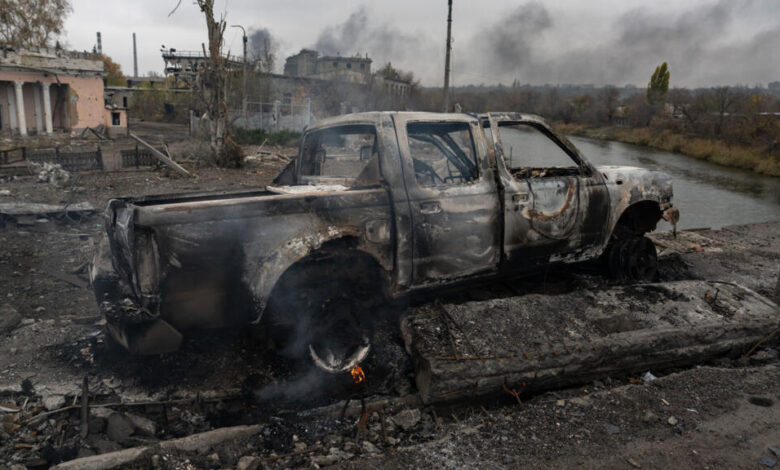
The significance of this meeting lies in its timing and the precedent it sets. It comes ahead of talks in Abu Dhabi, which are described as the first between all three sides since February. The diplomatic momentum appears to have been catalyzed by a recent, localized success: a partial ceasefire in the Oleshky area of the Kherson region. Mrs. Trump’s office stated that she “independently initiated engagement” to secure this truce, which allowed for the evacuation of civilians who had suffered weeks of shortages of food and medicine. The halt in fighting was respected by both sides, enabling roads to be demined and residents to depart for either Ukraine or Russia. This tangible outcome—saving lives through a specific humanitarian corridor—has provided a basis for the recognition and the subsequent high-level meetings.

In acknowledgment of this role, Ukrainian President Volodymyr Zelenskyy awarded the First Lady the Order of Princess Olga, First Class. The decree, published on the Ukrainian presidential website, cited her “significant personal contribution to humanitarian support for Ukraine, and for active human rights and charitable work.” Zelenskyy noted that he had held “very detailed, hour-and-a-half-long” conversations with US envoys Steve Witkoff and Jared Kushner ahead of the Abu Dhabi meeting. These discussions between the US and Ukrainian leadership suggest a coordinated approach where humanitarian gains on the ground are linked to broader diplomatic prospects.
The broader economic and geopolitical context is one of heightened uncertainty. The conflict has entered its fifth year, and a recent rapprochement between US President Donald Trump and Russian President Vladimir Putin has raised concerns among some observers that the United States might pivot away from supporting Kyiv. The involvement of Kirill Dmitriev, an adviser for international economic cooperation, underscores the economic dimensions of the diplomacy. While the immediate focus in Washington is on human rights and humanitarian relief, the presence of an economic adviser signals that commercial and trade considerations are being woven into the fabric of the peace process. For businesses and markets watching the Ukraine conflict, the potential for a ceasefire, even if partial, carries significant implications for energy security, supply chains in Eastern Europe, and the stability of regional trade routes.
However, the path to a comprehensive resolution remains fraught with uncertainty. The White House meeting is described as a precursor to the Abu Dhabi talks, but no specific outcomes from the Thursday meeting have been announced in advance. The condition that “logistical arrangements work out” introduces a layer of fragility to the proceedings. Furthermore, while the Oleshky ceasefire was respected, it was a localized exception rather than a systemic change in the conduct of the war. The transition from a humanitarian truce to a broader political settlement is a complex process that involves not just the heads of state and their envoys, but also the institutions dealing with the human cost of the conflict, such as the ombudsman’s offices representing displaced populations and those affected by occupation.

For the households and communities in the Kherson region, the immediate impact has been the ability to leave areas of active combat and shortages. The demining of roads and the evacuation of residents represent a measurable, if limited, improvement in conditions for those directly affected. For the wider economic landscape, the potential for a renewed diplomatic track offers a scenario where the escalation of sanctions and trade disruptions might be tempered by diplomatic progress. Yet, without a comprehensive ceasefire, the economic costs of the war—including military spending, aid requirements, and lost production—will continue to weigh on both the Ukrainian and Russian economies, as well as on their European and global trading partners.
As the officials gather in Washington, the focus remains on whether the humanitarian progress in Oleshky can serve as a model for broader de-escalation. The next critical step is the meeting in Abu Dhabi next week, where the trilateral talks are set to take place. The success of the White House engagement will be judged by its ability to sustain the momentum for these higher-stakes negotiations. For now, the engagement of the First Lady and the human rights officials marks a distinct chapter in the diplomatic efforts to end the war, one that emphasizes the human dimension of the conflict alongside the strategic and economic imperatives.