
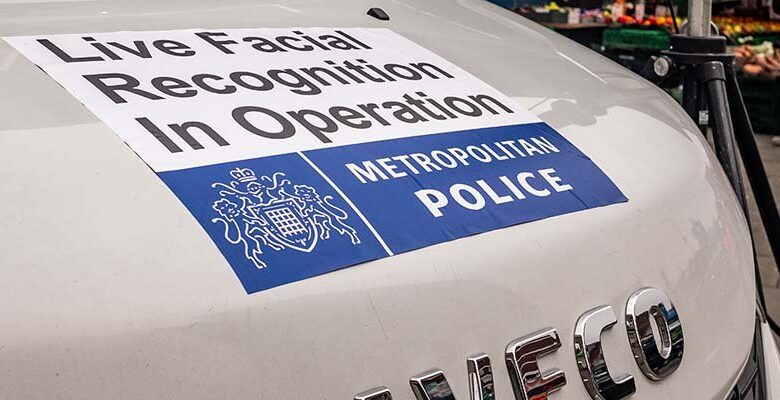
The decision to legislate specifically on LFR marks a shift from voluntary guidelines to statutory requirements. Under the proposed framework, an independent oversight body will be established to consolidate and expand existing oversight roles. This watchdog will have the power to monitor compliance, enforce standards, and potentially suspend police forces from using biometric tools if they fail to meet regulatory criteria. Additionally, the legislation will mandate that any technology used by law enforcement undergoes rigorous, independent testing to ensure it does not exhibit bias regarding age, gender, or race.
Home Secretary Shabana Mahmood defended the move, describing facial recognition as “the biggest breakthrough for catching criminals since DNA matching.” She stated that the government intends to ensure the technology is used “fairly, safely, and proportionately,” with specific laws clarifying that LFR must be intelligence-led. This means officers should only deploy the technology when they believe individuals of interest are likely to be present in a specific area, rather than for indiscriminate mass surveillance.
The push for tighter regulation coincides with a significant expansion of LFR capabilities by the Metropolitan Police. Deputy Commissioner Matt Jukes told BBC London that LFR has contributed to over 3,000 arrests in the past two years, including the identification of registered sex offenders in breach of their conditions. The force is currently piloting handheld LFR devices to confirm suspects’ identities on the spot and plans to expand static camera networks to the West End and Soho, following a successful pilot in Croydon. These static cameras are attached to street furniture, such as lampposts, allowing for remote operation, though officers are still required to verify matches on the ground.
Industry leaders have responded with cautious optimism, noting that regulation has historically lagged behind technological adoption. Tony Kounnis, CEO of Face Int UK, welcomed the ministerial promise but argued that the current proposals “fall short of where policy needs to go.” He emphasized the need for robust rules ensuring that private companies developing and deploying facial recognition technology adhere to “privacy by design” principles, particularly concerning the storage of biometric data. Nick Fisher, chief executive of Facewatch, expressed relief that the government was not creating a regulatory gap between police and private-sector use, stating that clear rules and accountability are vital for maintaining public trust alongside the technology’s role in crime prevention.

However, privacy campaigners have criticized the trajectory as an “alarming escalation” of surveillance. Despite the government’s assertion that the new framework will provide confidence to the public, critics point out that the legal basis for LFR remains complex, requiring citizens to navigate multiple pieces of legislation and police guidance documents to understand their rights. The new legislation aims to simplify this by establishing a single, clear governance structure that balances policing effectiveness with civil liberties.
The legislative process is expected to proceed through the Police Reform Bill, which is currently in development. The final text of the bill will determine the precise powers of the new independent oversight body and the specific technical standards police forces must meet to deploy LFR. Until the bill is enacted, police forces will continue to operate under the existing framework, with the Metropolitan Police continuing to expand its deployment in high-footfall areas in preparation for the winter season.