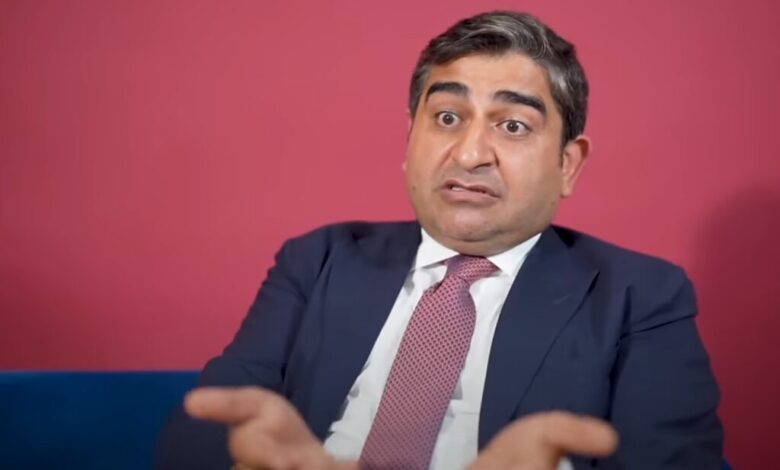
Korkmaz, who is currently out on bail, faces 12 counts including money laundering conspiracy, wire fraud, and obstruction of an official proceeding. He is accused of laundering illicit proceeds generated by his co-conspirators, Jacob Kingston and Levon Termendzhyan, who have already been convicted and sentenced in connection with the Washakie Renewable Energy LLC scheme. The indictment alleges that the group defrauded the U.S. Treasury by claiming tax credits for biodiesel production that never occurred.
While the charges focus on financial crimes, the case has drawn significant attention due to Korkmaz’s alleged personal and professional ties to James Woolsey, the former Director of the Central Intelligence Agency (CIA) who served under President Bill Clinton and later advised Donald Trump. During a September 7 interview with Turkish media figure Fatih Altaylı, Korkmaz detailed a close relationship with Woolsey, stating that the two dined, traveled by private jet, and visited each other’s homes. Korkmaz claimed he first met Woolsey in Istanbul, where the former director proposed a business venture in energy compliance, which Korkmaz declined.

This public narrative stands in sharp contrast to testimony presented in U.S. federal court. In 2023, Jacob Kingston, who reached a plea deal and is serving an 18-year federal sentence, testified that he and Korkmaz frequently discussed Woolsey using the codenames “Grandpa” and “Grandma” (referring to Woolsey and his late wife, Nancye). Kingston admitted to laundering approximately $140 million in stolen funds through Korkmaz in Turkey. According to court records, these funds were used to purchase high-profile assets, including the Mardan Palace luxury hotel in Turkey, a waterfront villa in Istanbul, a private airline called Borajet, and a superyacht named the Queen Anne.
Korkmaz’s legal team has emphasized the complexity of the case, suggesting that the funds transferred to Turkey were partly intended for U.S. government-sanctioned operations. A federal source previously told media outlets that Woolsey would have faced criminal charges had he not been suffering from dementia, though no such charges have been filed. Korkmaz’s defense attorney, Marc Agnifilo, described the situation as involving “a million different rabbit trails” and “all kinds of unsavory characters,” arguing that the financial flows were entangled with intelligence activities rather than solely criminal enterprise.
The procedural history of the case is marked by significant logistical challenges. Korkmaz fled the United States in 2020 as the investigation intensified. He was arrested in June 2021 at a hotel massage parlor in Austria and extradited to the United States in July 2022 at the request of the Department of Justice. After initial detention in a Utah jail, he was released pending trial. His original trial date was set for Monday before the court agreed to the postponement.

Prosecutors maintain that the scheme was protected by a network of corrupt law enforcement officers and federal agents who accepted bribes, luxury dining, and other benefits in exchange for shielding the fraud. The case remains a focal point for questions regarding the intersection of transnational finance, intelligence assets, and criminal liability. As the November trial approaches, the central legal question will be whether Korkmaz’s alleged connections to high-ranking U.S. officials mitigate, explain, or fail to exonerate his role in the laundering of Treasury funds.
The next formal step in the proceedings is the rescheduled trial in November, where the jury will evaluate the evidence of guilt against the backdrop of the defense’s claims regarding the nature of the funds and Korkmaz’s reputation.