

For investors and policymakers alike, the distinction between technological hype and real-world economic activity is becoming increasingly important. Recent market fluctuations, often triggered by earnings reports from major technology firms or shifts in AI adoption expectations, have introduced a layer of volatility that is not always directly correlated with broader macroeconomic stability. In this context, Black Friday sales figures serve as a vital reality check. They offer a tangible, albeit preliminary, snapshot of consumer confidence and discretionary income levels, moving the conversation away from speculative asset prices and toward the fundamentals of household balance sheets.
The significance of this spending season extends beyond a single day of retail transactions. It acts as a leading indicator for the holiday season as a whole, which is a critical period for retail inventory management, employment in the service and sales sectors, and corporate revenue forecasts. If consumer spending remains robust despite any recent market jitters, it would suggest that the “wealth effect” from equity markets has not yet translated into a withdrawal of liquidity from the real economy. Conversely, a noticeable dip in spending could signal that consumers are beginning to de-risk, potentially saving more and spending less in response to financial uncertainty or broader economic anxieties.
It is crucial to distinguish between the immediate, headline-grabbing nature of Black Friday sales and the structural trends in consumer behavior. Black Friday data is often preliminary and subject to revision as returns are processed and full-season data is compiled. Therefore, while the initial figures are important, they should be interpreted with caution. A single day’s sales do not definitively determine the health of the entire economy, but they do provide the first major data point in a series that will be closely watched by the Federal Reserve and other central banks when assessing interest rate policies.
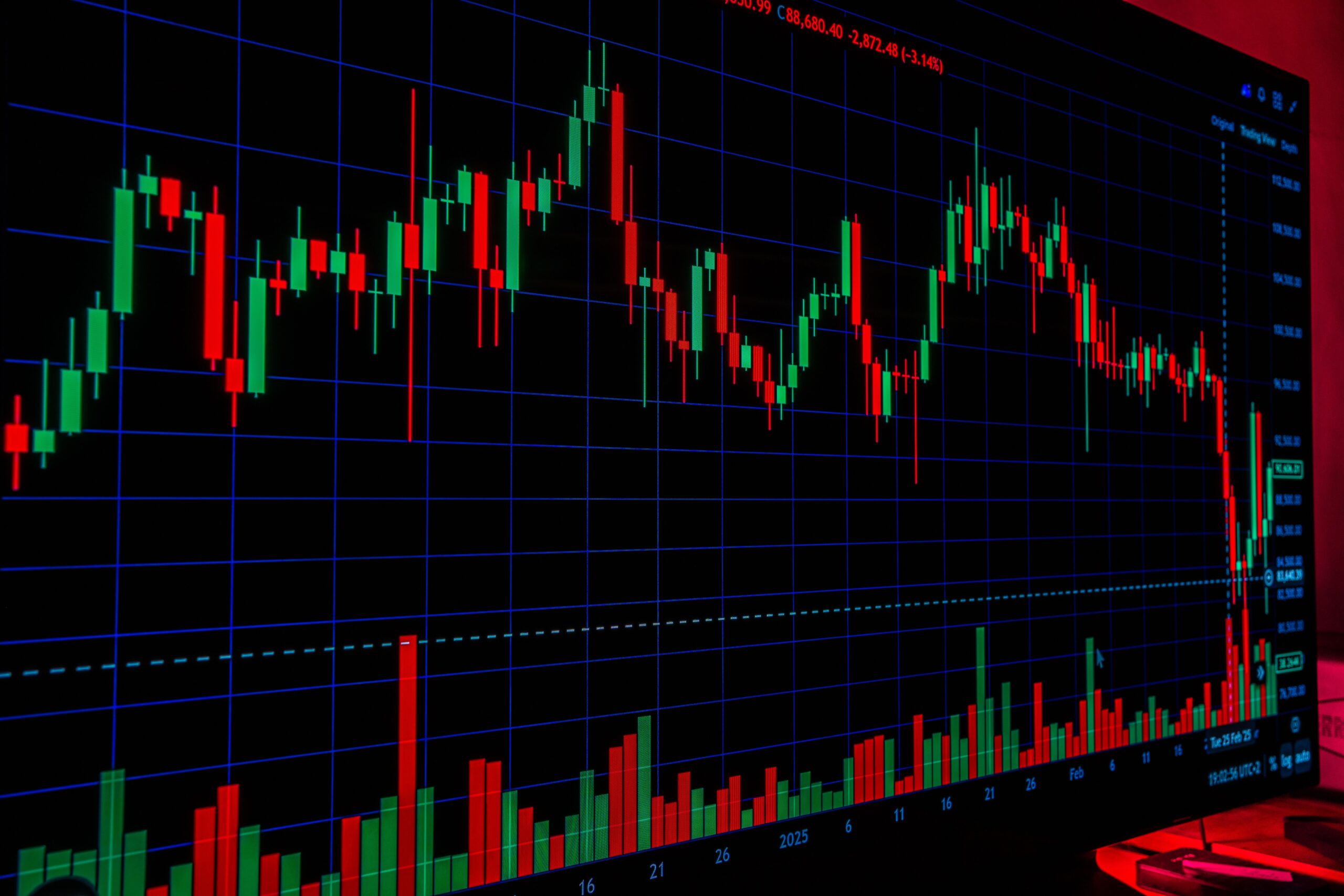
The interaction between AI-driven market movements and consumer sentiment is a complex dynamic. On one hand, gains in tech-heavy indices can boost consumer confidence, leading to increased spending. On the other hand, if market volatility is perceived as a sign of deeper economic instability, it could lead to a precautionary saving rate increase. The current market environment, described as “AI-rocked,” highlights this tension. Investors are currently trying to parse whether the enthusiasm for AI represents a sustainable productivity boom or a speculative bubble that could eventually impact the broader economy. Black Friday spending offers a way to test this hypothesis in the real world: are consumers participating in the optimism, or are they hedging against potential downside risks?
For the retail sector, the stakes are high. Companies are heavily dependent on this quarter to meet annual targets. Strong sales would bolster balance sheets, support investment in supply chains, and sustain employment levels in a sector that is sensitive to economic cycles. Weak sales, however, could lead to inventory gluts, potential layoffs, and a downward revision of corporate earnings forecasts. This, in turn, could feed back into equity markets, creating a feedback loop where retail performance influences stock prices, which then influence consumer confidence.
From a macroeconomic perspective, the data from Black Friday will be a key input for assessing the depth of consumer demand. If spending remains strong, it supports the narrative of a “soft landing” for the economy, where growth slows but does not tip into recession. If spending falters, it could raise concerns about a “no landing” or “hard landing” scenario, where economic activity contracts more sharply. This distinction is vital for understanding the trajectory of inflation, as strong consumer demand can keep prices elevated, while weak demand can lead to disinflationary pressures.

As the market awaits these figures, the focus remains on the underlying drivers of consumer behavior. Factors such as wage growth, household debt levels, and the availability of credit will all play a role in determining how much consumers are willing to spend. The current environment, marked by high interest rates in many major economies, adds another layer of complexity. Borrowing costs for consumer loans, credit cards, and auto loans are elevated, which can constrain discretionary spending even if income remains stable. Black Friday sales will reveal how adept consumers are at navigating these financial constraints.
In conclusion, Black Friday is more than a retail event; it is a critical economic data point that will help gauge the health of the consumer sector in a market environment influenced by AI-driven volatility. The results will provide valuable insights into the resilience of household balance sheets and the sustainability of current economic growth. As the data is released, analysts will closely examine the nuances, comparing year-over-year growth, assessing the mix of discounts versus full-price sales, and evaluating the impact on different retail segments. The outcome will likely influence market sentiment in the coming weeks, potentially shifting the focus from technological speculation to the fundamentals of consumer spending. The next major economic test for the consumer sector is imminent, and the results will be closely watched by investors, policymakers, and businesses alike.