The legal standoff follows a demand by U.S. Assistant Attorney General Harmeet Dhillon for an electronic copy of the statewide voter list with all fields included. California Secretary of State Shirley Weber’s office had previously raised concerns regarding privacy protections and offered to allow DOJ officials to inspect a redacted database in Sacramento. Dhillon rejected this proposal, insisting on full electronic access. A spokesperson for California Governor Gavin Newsom countered that federal courts have ruled such demands violate federal law and that the administration is pursuing illegal actions. The DOJ has also criticized California’s voter roll maintenance practices, specifically questioning the state’s adherence to removing deceased voters and individuals convicted of disqualifying felonies, as well as its policies on third-party ballot collection.
In a separate but related development, federal officials moved to debunk specific claims of fraud circulating regarding the Los Angeles mayoral primary. Social media users and election observers alleged that a batch of vote counts recorded zero ballots for Republican candidate Spencer Pratt, a statistical anomaly they interpreted as evidence of a compromised system. However, the Los Angeles County Registrar-Recorder/County Clerk confirmed that no batch updates recorded zero votes for any leading candidate. The apparent discrepancy was attributed to a “lag” in the automated data updates provided by the Associated Press. An electronic update initially pulled votes for one group of candidates, including Mayor Karen Bass and Councilmember Nithya Raman, before a subsequent update one minute later recorded votes for another group, including Pratt. Combined, these updates accounted for 21,870 votes for Pratt, 12,850 for Bass, and 9,521 for Raman.
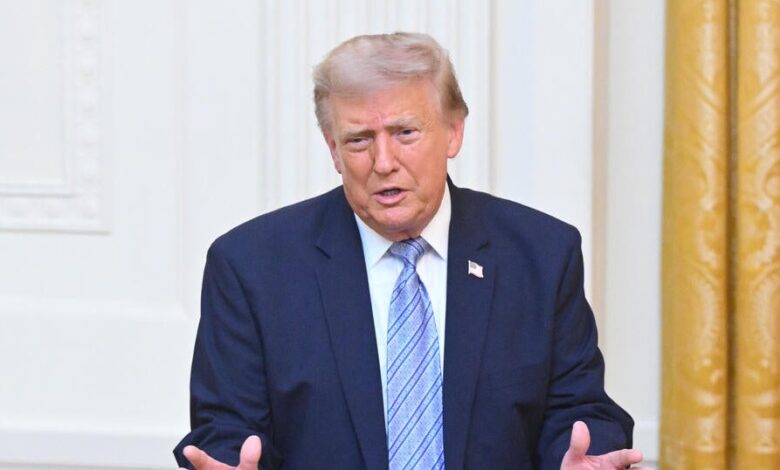
Assistant U.S. Attorney Essayli, who was handpicked by the administration, posted on X that his office had reviewed official county records and determined the fraud claims were false, noting that each candidate received votes in every update. He invited the public to contact his office with any credible information regarding fraud. This intervention by the U.S. Attorney’s office stands in contrast to broader political rhetoric, including recent presidential statements alleging widespread failures in the U.S. election system and foreign interference, claims that election experts have largely disputed as lacking new evidentiary support.
The broader context includes ongoing legislative efforts to change election laws, such as the SAVE America Act, which proposes requiring proof of citizenship for voter registration. While some Republican allies have echoed calls to pass this legislation, it remains stalled in the Senate. Critics, including election security researchers, argue that the administration’s focus on voter fraud lacks grounding, pointing out that voter registration data is generally publicly available and that intelligence assessments have found no evidence of foreign actors altering the technical aspects of U.S. voting processes. The current legal and public disputes highlight a growing divergence between federal enforcement priorities and state-level election administration practices.