
The regulations, detailed in Dubai Municipality Circular No. 1-3-1 of 2026, establish ten key obligations for building owners, engineering consultancy offices, and contracting companies. A central requirement is that any building or villa used for shared housing must be dedicated entirely to that purpose; partial conversion of a building is not permitted. The municipality stated that these measures aim to reduce overcrowding, eliminate unregulated residential practices, and enhance the safety and quality of life for residents.
Property owners and establishments have been granted a one-year grace period, ending in September 2027, to bring existing properties into compliance with the new standards. During this period, owners must obtain building permits and shared housing permits through the Dubai Building Platform. Applications must be submitted by an appointed engineering consultancy office, which is responsible for providing detailed plans, occupancy rates, and resident categories. The municipality clarified that this grace period does not cover existing building violations or unauthorized changes of use, which must be rectified immediately to protect lives and property.
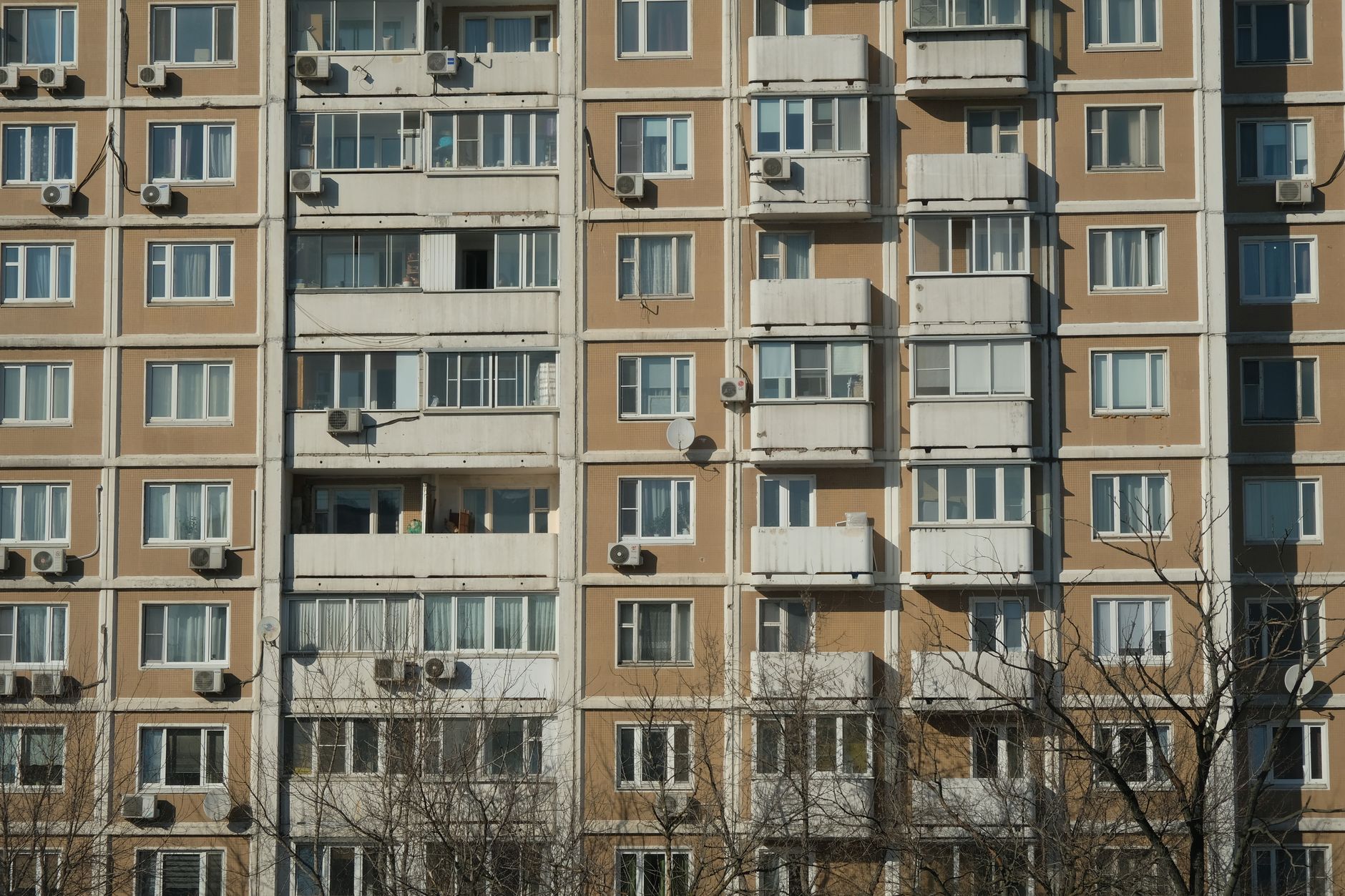
The new guide sets specific technical and spatial requirements for residential units. Each bedroom must provide a minimum of five square metres of space per occupant. For family accommodation, each family unit must have a separate bedroom with its own private en-suite bathroom. A complete bathroom must be available for every four residents in individual shared housing. Additionally, buildings must provide shared facilities including kitchens, sanitary areas, and designated spaces for dining, recreation, laundry, and clothes drying, in proportion to the number of occupants. Bicycle parking must accommodate at least 10% of the total occupants, and minibus pick-up and drop-off areas must be coordinated with the Roads and Transport Authority.
Violations of the law carry significant penalties. Fines for non-compliance range from Dhs500 to Dhs500,000. If a violation is repeated within a year, the fine is doubled to a maximum of Dhs1,000,000. Additional measures include the suspension of activity for six months, cancellation of permits and commercial licences, and the disconnection of public services from the violating unit. In severe cases, units may be evacuated by decision of the execution judge at the Rental Dispute Settlement Centre (RDSC), which is responsible for adjudicating disputes related to the law.

Legal and real estate experts note that the law identifies six types of property that may be approved for shared accommodation: residential apartments, stand-alone houses, residential complexes, mixed-use buildings, adjoining houses, and multi-storey buildings. The regulations exclude real estate units designated for collective labour accommodation, which are governed by separate legislation. Dubai Municipality has already begun inspections in identified problem areas despite the ongoing grace period. Maryam Al Muhairi, CEO of the Building Regulation and Permits Agency at Dubai Municipality, stated that the objective is to promote compliance and enable property managers to regularize their buildings while preserving the emirate’s urban and aesthetic character.