
Coordinated Response to Market Volatility
The G7 Leaders’ Statement, updated on 2 October 2026, outlines a unified approach to global energy security. The primary objective is to ensure market stability by increasing the available supply of diesel, a critical fuel for transportation, agriculture, and heavy industry. By drawing down strategic reserves, the signatory nations intend to dampen price spikes that have been exacerbated by geopolitical instability.
The timing of this release is critical. Conflicts in both Europe and the Middle East have disrupted normal flow patterns for refined products, leading to tighter markets and higher spot prices. The statement emphasizes that the action is not merely a reactive measure to current prices but a proactive strategy to prevent further volatility. Leaders acknowledged that energy security has become a central pillar of economic resilience, requiring synchronized responses from all major industrialized nations.
US Request and European Economic Concerns
The initiative was notably prompted by a request from the United States, whose leadership has faced domestic pressure due to the impact of high fuel prices on its own political popularity. The US sought to engage European partners in a joint release to ensure that the action had sufficient global weight to influence market perception and actual supply levels.
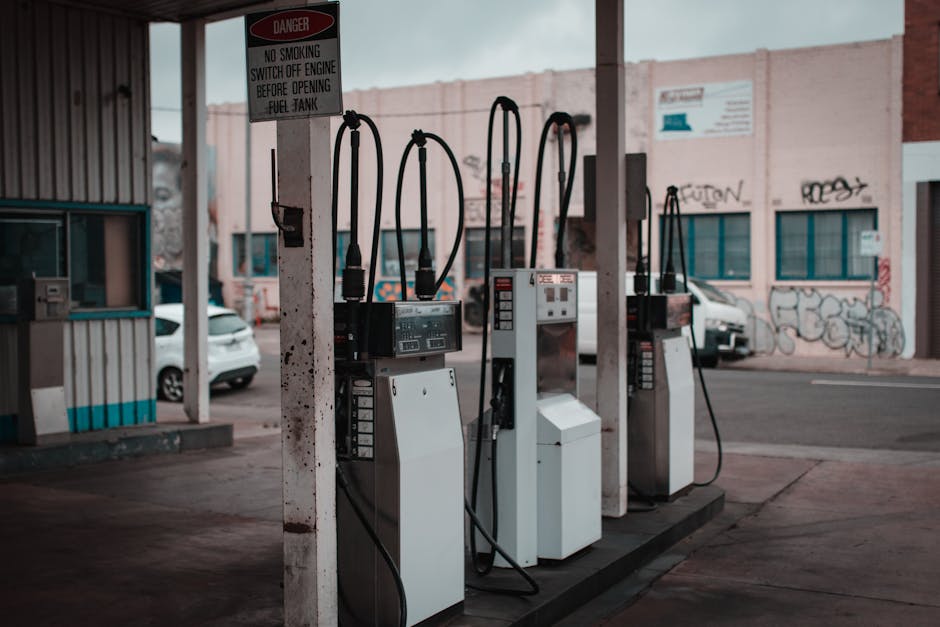
For European countries, the move carries significant economic implications. Officials in the region have warned that soaring diesel prices pose a threat to the broader economic outlook. The energy sector is currently facing a dual challenge: managing the immediate spike in costs while navigating the long-term transition in energy systems. The release of reserves is expected to provide temporary relief, but concerns remain about the sustainability of this measure if underlying supply constraints persist.
A key point of tension involves the potential impact of a U.S. export ban on European markets. While the G7 statement focuses on the joint release of reserves, European officials have noted that any restrictions on U.S. exports could further hurt Europe’s economic prospects. This dynamic underscores the complex interplay between national energy policies and allied trade relationships. The joint release of diesel stocks is thus also a diplomatic signal of continued cooperation, designed to counteract any negative effects of divergent national trade stances.
Market Implications and Strategic Reserves
Strategic petroleum and product reserves serve as a safety valve for energy markets. By injecting diesel into the global supply pool, G7 nations aim to reduce the scarcity premium embedded in current prices. The effectiveness of this measure will depend on the volume released and the speed at which it reaches the market. Analysts will be watching closely for how these additional supplies interact with existing inventories and demand patterns in the coming weeks.

The distinction between spot prices and long-term contract prices is also a factor. While the release of reserves may quickly affect spot market rates, its impact on futures contracts and long-term consumer tariffs may be more gradual. The G7 statement does not specify the exact volumes to be released by each nation, but the collective commitment is intended to signal a robust and reliable supply buffer.
The geopolitical context remains a dominant factor. The wars in Europe and the Middle East continue to pose risks to infrastructure and transport routes. While the release of reserves addresses the immediate supply gap, it does not resolve the underlying security issues that are driving the volatility. Therefore, the G7 statement frames this action as part of a broader strategy to enhance energy security, rather than a standalone solution.
As the markets react to the announcement, attention will turn to the operational logistics of the release. Coordinating the extraction and distribution of diesel from national stockpiles across multiple jurisdictions requires precise planning. The next major point of focus will be the market’s reaction to the actual flow of fuels, which will determine whether the price stabilization goals are achieved or if further intervention is required. The G7’s unified stance provides a strong foundation for this effort, but the ultimate success will hinge on the consistent enforcement of the agreed-upon measures.
