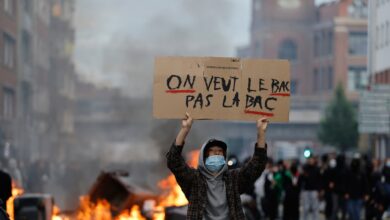
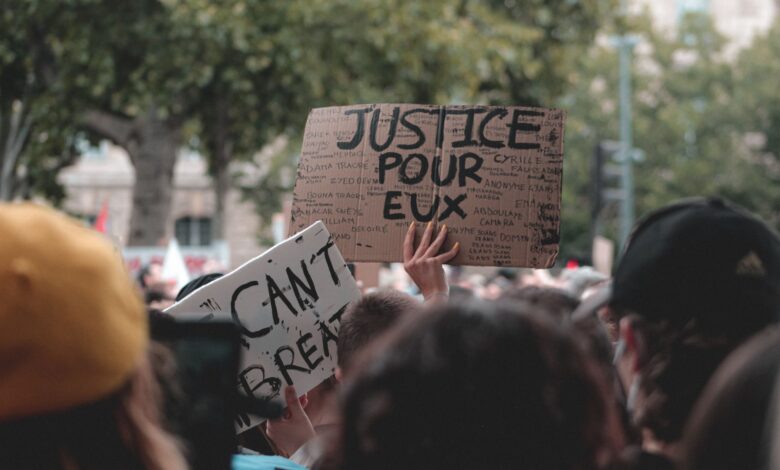
The protests, which originated in the suburbs of Paris, have spread across the country, transforming localized demonstrations into a broader national crisis. While the initial focus was on specific institutional grievances, the movement has increasingly taken on a social and political dimension. Participants have cited poor infrastructure, overcrowded classrooms, and a perceived lack of resources as primary drivers of the unrest, framing the issue not merely as an administrative failure but as a matter of dignity and fundamental rights.
Observers note that the demonstrations reflect a demand for equality among students from working-class backgrounds. These students are arguing for the basic conditions necessary to facilitate study, seeking to bridge the gap in opportunities between disadvantaged urban peripheries and other regions. The movement is characterized by a political and democratic push for recognition, with participants asserting that their struggle is as much about social standing as it is about academic standards.
The context of these protests is viewed by sociologists as part of a longer history of social movements in France. The current unrest is situated within a broader pattern of state-society interactions, where demands for reform often meet institutional resistance. This historical lens suggests that the current wave of violence is not an isolated incident but a continuation of recurring tensions over how the state fulfills its obligations to its citizens, particularly in the realm of public services.
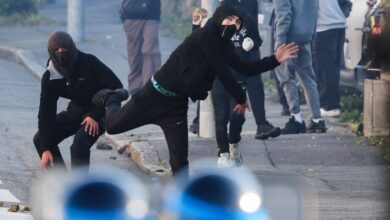
French media reactions have focused heavily on the violent nature of the blockades, with press coverage highlighting the disruption caused to the general public and the strain placed on local security forces. The escalation has forced political leaders to address the crisis directly, moving the conversation from routine educational policy to urgent national security and social cohesion matters. The cancellation of routine schedules and the deployment of resources to manage the protests underscore the severity of the situation.
As the closures persist, the immediate consequence is a significant gap in instruction for thousands of high school students. The administration faces the challenge of balancing the need to maintain order with the necessity of addressing the underlying grievances that sparked the movement. No immediate resolution or new legislative measures have been announced to rectify the conditions cited by protesters, leaving the status quo in place until further negotiations or interventions occur.
The situation remains fluid, with the potential for further escalation if the core demands regarding school conditions are not met. The movement has successfully drawn national attention to issues that were previously contained within local educational debates, transforming them into a central political issue. As Friday arrives, the continued closure of hundreds of institutions serves as a tangible measure of the protest’s impact and the depth of the discontent within the student body.
The broader implications extend beyond the immediate academic year, touching on questions of social mobility and the role of public education in fostering equality. The protests highlight a fracture in expectations between the student population and the institutions meant to serve them, a divide that political and educational leaders are now compelled to address in the coming weeks.