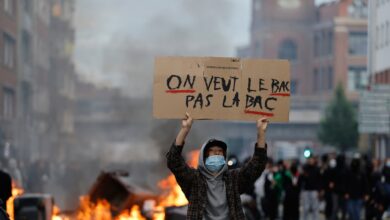
The movement, which ignited last week in the Île-de-France region, has shown no signs of abating. By Friday, nearly 400 high schools across the country had closed their doors. The students’ demands are specific and rooted in the daily realities of their educational environment. They cite excessively long school hours, inadequate physical conditions—most notably overheated classrooms—and a critical shortage of teaching staff that leaves many pupils without regular instruction.
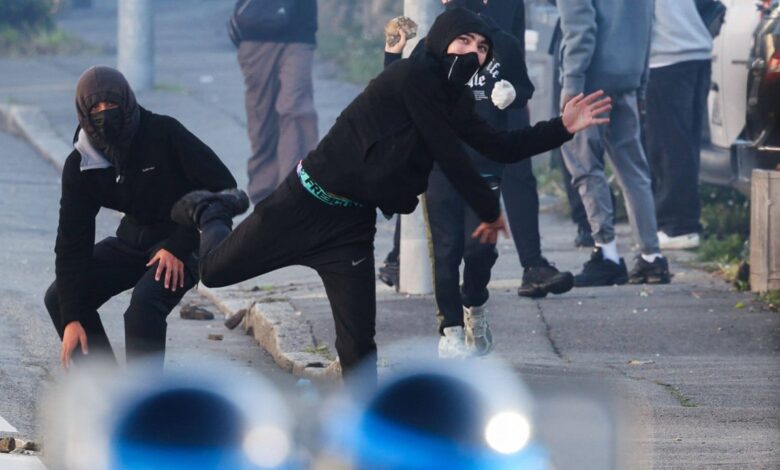
The scale of the unrest has strained public order resources significantly. French government officials reported that more than 1,900 people had been arrested during the demonstrations, with some reports placing the figure closer to 2,000. Scores of individuals have been injured in the clashes. The impact has not been limited to students; 40 headteachers have been reported hurt, underscoring the volatility of the confrontations between pupils and security forces. In some locations, students have also voiced concerns about the use of police violence, adding a layer of tension to the standoff between the student body and the state.
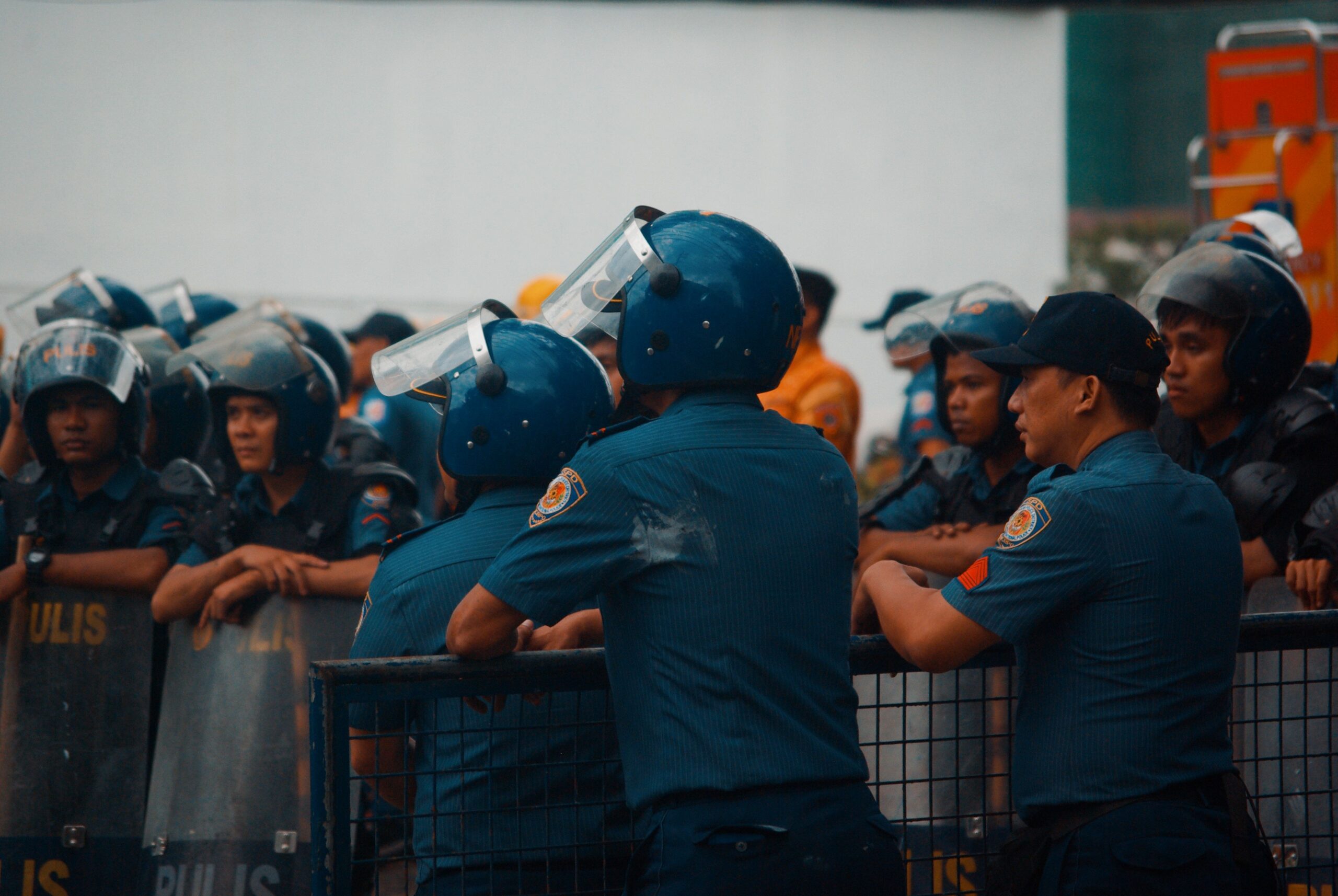
The political response has been cautious. Ministers have called for a “day of dialogue,” seeking to open a channel of communication to de-escalate the situation. However, the student leadership has rejected a simple pause, calling for further strike action. This divergence highlights a fundamental disconnect: while the government frames the issue as a matter of negotiation, the protesters view their walkout as a necessary corrective to systemic failures in the education sector.
The grievances raised by the students have found support among some educators and parents, who see the protests as a reflection of long-standing structural issues. Vincent Martin, a 49-year-old member of an education union, joined a protest in support of his daughter and her classmates. He articulated the core of the students’ argument, noting that 36 students per class in the 10th grade creates conditions that are unsuitable for learning. “We’re here both to support them, because we believe they’re fundamentally right to demand more teachers, better learning conditions, classrooms that aren’t overheated, and substitute teachers when their regular teachers are absent,” Martin said.
The institutional context of the French lycee system is crucial to understanding the stakes. For final-year students, this period is critical for preparing for the baccalaureate, the national examination that determines university access and career paths. The perception that the state is failing to provide the basic resources necessary for this preparation has fueled the movement’s momentum. The spread of the protests from the Paris region to cities across the country indicates that these are not isolated incidents but part of a broader collective action.
While the government maintains that the dialogue offer remains open, the immediate future of the education calendar remains uncertain. The closure of hundreds of schools disrupts the academic year for thousands of students, raising concerns about the impact on their final assessments. As the standoff continues, the focus remains on whether the “day of dialogue” will yield substantive concessions regarding staffing levels and classroom conditions, or if the movement will continue to escalate, further challenging the government’s ability to maintain order and educational continuity.
The next critical development will hinge on the outcome of these negotiations. If the government fails to address the specific demands regarding teacher absences and overcrowding, the risk of further industrial action or prolonged strikes remains high. For now, the French education system is in a state of suspension, with the solution resting on the willingness of both the student body and the state to bridge the gap between their positions.