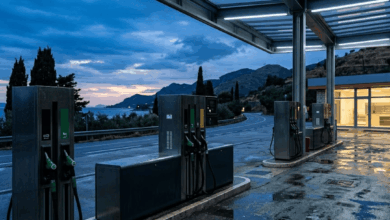
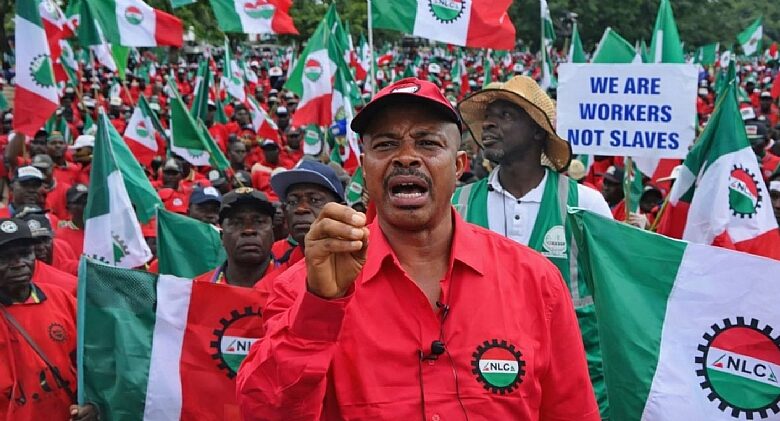
The NLC specifically blamed the surge in transportation costs for driving up prices across the economy, noting that petrol currently sells for 1,430 naira per litre or more in major cities, with prices significantly higher in remote areas. The union stated that this increase, following the removal of the fuel subsidy in 2023, has caused a cascading effect on the cost of food, school fees, rent, and other necessities, while nominal wages remain stagnant.
“Without cutting this chain, any effort to ease the suffering of the people is futile,” the NLC said, urging the Federal Government to urgently address the transmission of fuel costs to other sectors of the economy.
The labour centre criticized the government for failing to translate savings from the subsidy removal into tangible benefits. The union noted that three years after the policy change, petrol prices have multiplied several times over, yet the promised infrastructure and social services remain absent. The NLC questioned where the subsidy savings went, arguing that the current economic hardship would be mitigated if the government had delivered on its previous commitments.
In addition to fuel price adjustments, the NLC demanded the immediate implementation of a nationwide wage award for workers in the federal, state, and local governments. The union described this measure as an “emergency intervention against the collapse of real income” rather than a charitable gesture. It also called for the full implementation of tax relief measures agreed upon in the October 2023 Memorandum of Understanding between the government and organised labour.
The current national minimum wage stands at 70,000 naira, a figure approved by President Bola Tinubu in July 2024 with a provision for review after three years. The NLC argued that this wage was already destroyed by inflation before its implementation and demanded the immediate constitution of a tripartite committee to formulate and legislate a new wage standard for 2027 before the end of the year.

The union also highlighted Nigeria’s continued reliance on imported refined petroleum products, despite being Africa’s largest oil producer. The NLC called for greater investment in domestic refining capacity, asserting that domestic refining has been systematically neglected except for the efforts of a few private refineries. The statement also urged the government to reduce the cost of governance, increase transparency in public spending, and invest in roads, hospitals, and schools to alleviate pressure on households.
The demands come as the NLC seeks to address what it describes as a growing cost-of-living crisis affecting Nigerian workers and the wider population. The union has linked the worsening economic conditions directly to the fuel price hikes and stagnant wages, warning that failure to act will further destabilize the livelihoods of the workforce.