The date of September 30 is inextricably linked in the Indonesian public consciousness to the events of 1965, when a coup attempt resulted in the deaths of several senior Army officers and other victims. While the specific historical interpretations of the background, actors, and sequence of events remain subjects of ongoing academic and political debate, the state officially designates the period as a moment of national remembrance. The following day, October 1, is formally observed as Pancasila Sanctity Day, a date established to reinforce the nation’s five foundational principles, known as Pancasila, which serve as the ideological bedrock of the Indonesian state.
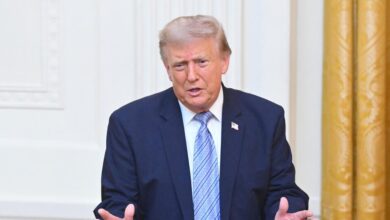
During the Thursday proceedings, President Subianto visited the Pancasila Sanctity Museum, which has undergone a revamp to better preserve and present the historical narrative of the 1965 events. The visit occurred immediately following the main ceremony, highlighting the administration’s focus on institutionalizing the memory of the revolution’s heroes. Subsequently, the President traveled to the Lubang Buaya well, the site where the remains of the executed officers were discovered, to pay personal respect to the “Heroes of the Revolution.” These acts of state ritual serve to align the current executive leadership with the historical continuity of the republic’s founding ideals.
Clarifications regarding the legal status of this date have been issued to address widespread public misconceptions. Despite rumors circulating online that the government had designated September 30 as a national holiday or a day of collective leave, officials have confirmed that the date does not appear on the 2026 national holiday calendar. The Joint Decree (SKB) of the Three Ministers, which governs national holidays and collective leave in Indonesia, lists no public holidays for the entirety of September 2026. Consequently, September 30 remains a working day for the majority of the Indonesian workforce, a distinction that authorities have emphasized to prevent confusion regarding institutional operations and public service delivery.
The political significance of these observances extends beyond mere historical remembrance to the reinforcement of state ideology in a contemporary context. Pancasila, as the state philosophy, is central to Indonesia’s governance structure, legal code, and social cohesion. By personally leading the ceremonies, the President underscores the executive branch’s role in safeguarding national unity and ideological integrity. The G30S narrative, while historically complex, has long been utilized in Indonesian political discourse to emphasize the threats to stability posed by ideological deviation, making the annual commemoration a critical ritual for consolidating national consensus.
Internationally, the date of September 30 carries additional weight as International Translation Day, a designation adopted by the United Nations General Assembly in 2017 through Resolution 71/288. The observance honors the role of language professionals in facilitating dialogue and cooperation between nations, a function that remains vital for Indonesia as a major diplomatic actor in Southeast Asia. However, for the domestic audience, the primary focus remains on the internal political and historical dimensions of the Pancasila Sanctity Day.
As the nation transitions from the September 30 commemorations to the formal Pancasila Sanctity Day on October 1, the emphasis remains on the enduring relevance of the state’s foundational values. The ceremonies in Jakarta, including the museum visit and the tribute at Lubang Buaya, conclude the official state observance for this year, setting a precedent for how the administration intends to manage and present historical memory in the years to come. The distinction between the historical trauma of 1965 and the forward-looking ideological affirmation of Pancasila remains the central tension in these annual rites.