The incident occurred on Wednesday, approximately two hours after the Boeing 737 took off from Dubai International Airport at 6:05 a.m. local time. Flight tracking data indicates that the aircraft began a precipitous loss of altitude, dropping 17,400 feet in just under two minutes. The sudden descent, which passengers compared to the sensation of a roller coaster, was accompanied by a sharp turn to the north. At 8:31 a.m., the flight issued a distress call, followed immediately by the squawk of code 7500, the International Civil Aviation Organization’s specific code signaling an aircraft hijacking.
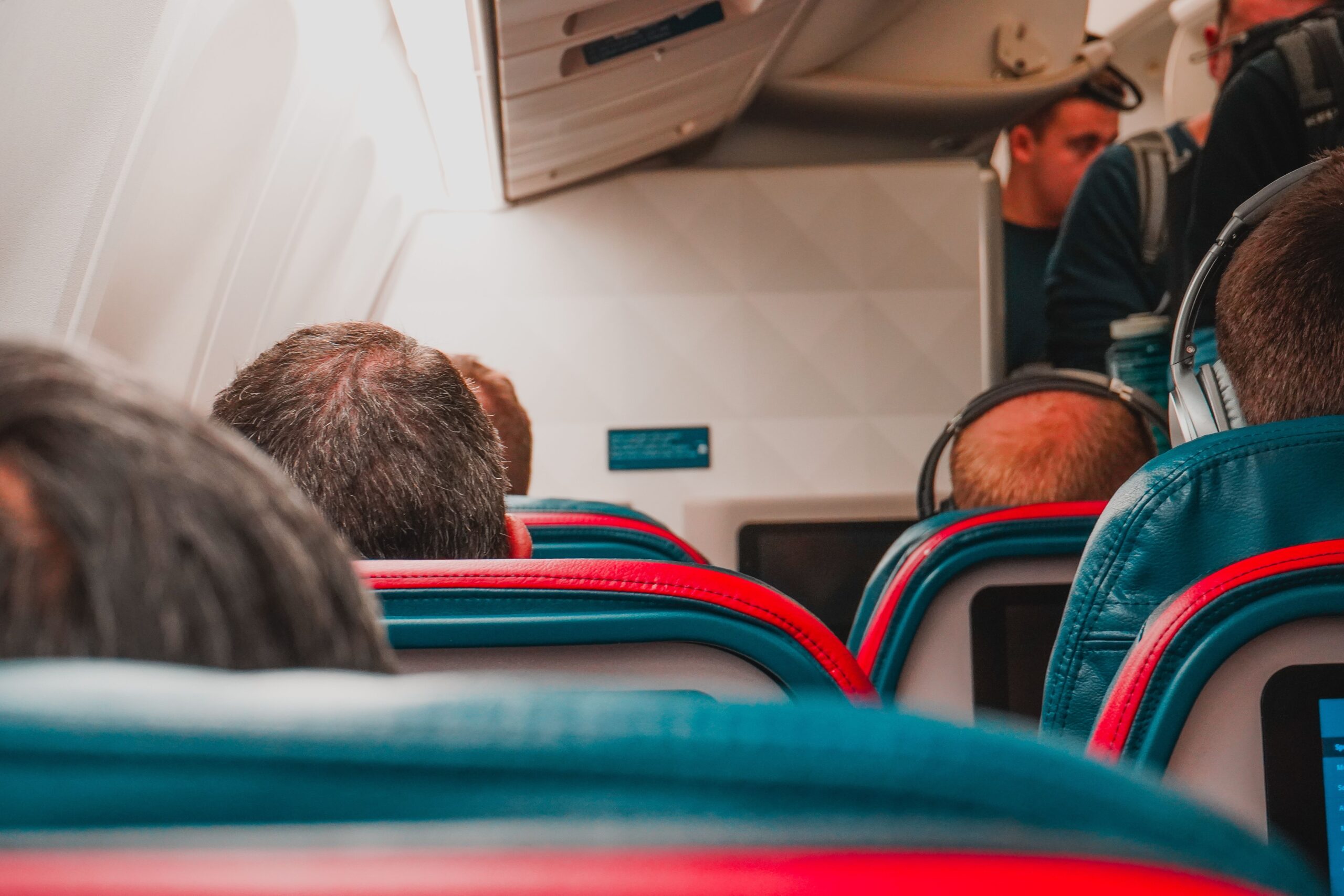
Inside the cabin, the atmosphere shifted from routine travel to chaos as the plane nosedived. Passengers described a scene of panic, with screaming and children crying as the aircraft spun. Mika Bauman, a passenger on the flight, stated that she was certain she would die during the descent. However, as the immediate threat of a crash loomed, a small group of passengers and crew members took decisive action. They rushed into the cockpit, where they found the injured Machchhar and the attacker.
The confrontation inside the cockpit was brief but violent. Passengers recounted how they managed to subdue the co-pilot. Yaniv Hayoun, one of the passengers involved, described applying a chokehold to the alleged attacker and helping to drag him out of the cockpit. In a calculated move inspired by disaster investigation documentaries, Hayoun grabbed the plane’s controls to assist in stabilizing the aircraft. He noted that the plane began to level out before the injured Machchhar was able to take over the controls again.
Following the recapture of the cockpit, the aircraft was diverted to Saudi Arabia for an emergency landing. Authorities on the ground provided immediate medical attention to Machchhar and managed the evacuation of the remaining passengers. The flight eventually completed its journey to Tel Aviv, where the passengers, including families with children, waited several hours for a replacement flight. Many described the experience as a critical moment that required immense calm; one passenger, Almog Italie, noted that staying in seats and following orders was essential for survival.
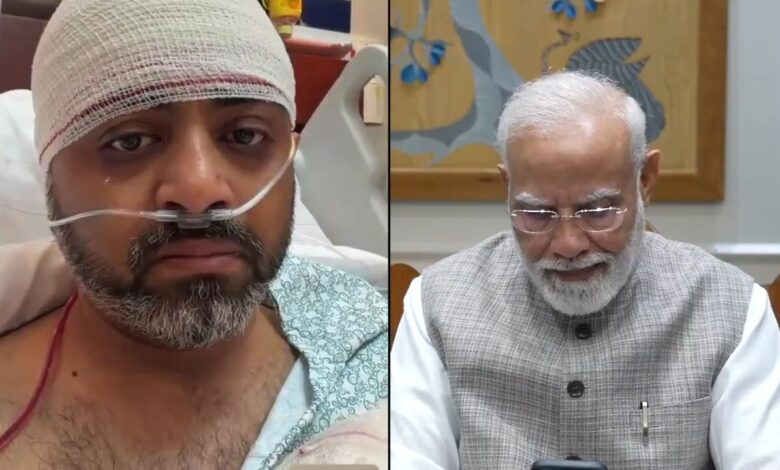
Israeli Prime Minister Benjamin Netanyahu addressed the incident, identifying the suspect as a co-pilot who had undergone “Islamist radical indoctrination.” Netanyahu described the event as averted disaster, stating that the “good guys won” in a way that distinguished this incident from previous tragic attacks. He highlighted Machchhar’s resilience, noting that despite being severely injured, the captain refused to let the passengers die. In a video call with Indian Prime Minister Narendra Modi on Friday, Machchhar recounted the events, stating, “I was fighting for my life” and that he could not let all those people die.
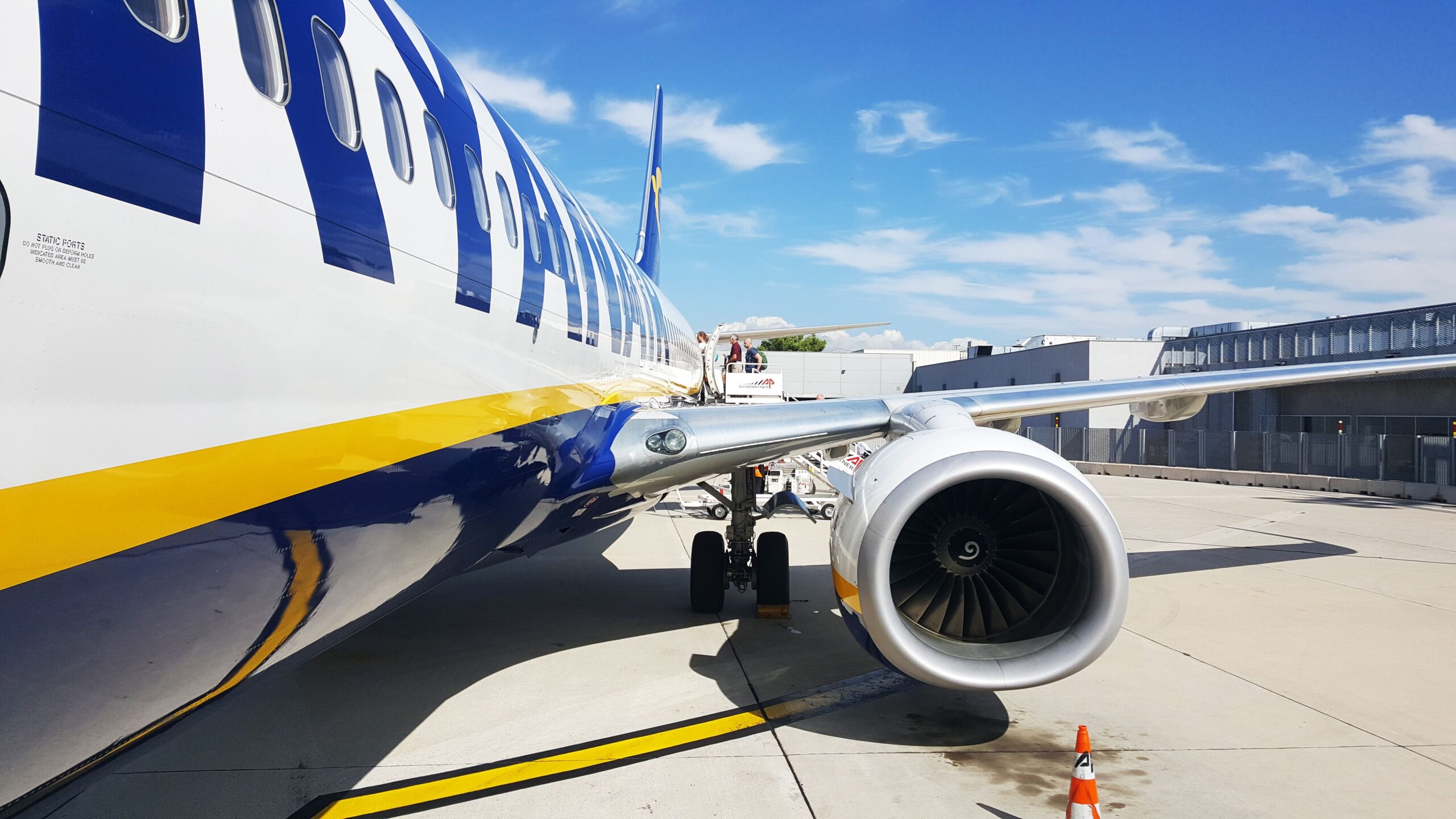
The incident has raised significant questions regarding aviation security and the vulnerability of cockpit doors to internal threats. While the physical security of the cockpit is designed to prevent unauthorized entry from the cabin, this event demonstrated the danger posed by a compromised crew member. The rapid response of the passengers, acting as the first line of defense, was instrumental in preventing a mass casualty event. As investigators continue to probe the motive behind the attack, the focus remains on the operational failures that allowed a radicalized individual to reach the flight deck and the extraordinary measures taken by those on board to save the aircraft.
The event underscores the complex reality of modern aviation security, where human factors can override technological safeguards. The recovery of the flight and the survival of all on board stand as a testament to the training and quick thinking of both crew and passengers in the face of an unprecedented threat.