The strikes represent a continued pattern of Russian military operations aimed at degrading Ukraine’s civilian energy capacity. By targeting the electrical grid, the attacks seek to disrupt daily life, strain emergency services, and test the resilience of Ukraine’s energy sector during the winter months when demand is highest. The damage to energy facilities has resulted in widespread blackouts in Kyiv, affecting residential, commercial, and critical infrastructure services.
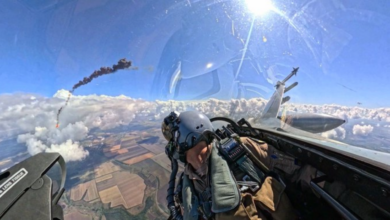
Ukrainian officials stated that the attacks involved both aerial drones and ballistic or cruise missiles, indicating a multi-vector approach to overwhelming defensive systems. The combination of these platforms allows for simultaneous threats from different ranges and altitudes, complicating the task of air defense units tasked with protecting the capital. While specific unit movements or the exact types of munitions used were not detailed in initial reports, the confirmed damage to energy assets underscores the operational effectiveness of the strikes against their intended targets.
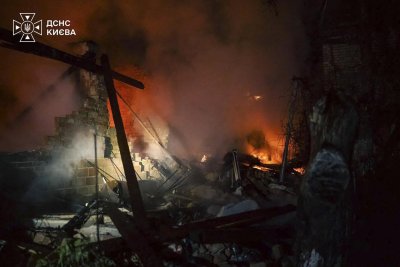
The immediate humanitarian impact includes the loss of four lives and the injury of at least five individuals. In addition to the casualties, the destruction of energy infrastructure has led to a loss of heating and electricity for thousands of residents. Such outages pose significant risks to public health, particularly for vulnerable populations including the elderly and those with medical conditions, as well as to the operational capacity of hospitals and emergency response centers. The shrouding of the capital in smoke further indicates the scale of the explosions and the resulting environmental and visibility hazards in the affected areas.
This incident highlights the strategic dimension of the conflict, where the energy grid serves as a primary target for exerting pressure on the civilian population and the state’s ability to sustain its defense and governance. The repeated targeting of utility networks forces Ukraine to divert resources toward repair and reconstruction, straining its logistics and economic stability. The durability of the power grid under sustained attack remains a critical factor in Ukraine’s long-term resilience and its ability to maintain social order and economic activity.
Ukrainian authorities have yet to provide a full technical assessment of the damage or a confirmed timeline for restoring power to all affected areas. Repair crews are expected to begin working on the damaged facilities, but the pace of restoration will depend on the extent of the destruction and the availability of spare parts and equipment. The situation remains fluid, with the potential for further disruptions if additional strikes occur or if repairs are complicated by ongoing security threats.
The attacks also serve as a reminder of the persistent threat posed by long-range strike capabilities, which can reach deep into the rear areas of a conflict zone. For Ukraine, this necessitates a dual strategy of robust air defense to intercept incoming threats and rapid response capabilities to restore critical services. The international community has frequently called for an end to attacks on civilian infrastructure, citing violations of international humanitarian law, though the frequency of such strikes suggests that this remains a central feature of the current military campaign.
As the day progresses, the focus will shift to the logistics of restoration and the security of repair teams. The confirmed casualty figures may be updated as rescue operations continue and as families of the missing are accounted for. The broader implications of these strikes lie in their cumulative effect on Ukraine’s energy security and the capacity of its population to withstand prolonged periods of utility failure. The incident underscores the ongoing challenge for Ukrainian forces to protect critical infrastructure while engaging in defensive operations across multiple fronts.
Further details regarding the specific types of weapons used and the precise locations of the damaged facilities are pending official confirmation from the Ukrainian military and energy authorities. The incident will likely be subject to further investigation to determine the full extent of the damage and to inform future defensive strategies. The resilience of Kyiv’s energy network will be closely monitored in the coming days, as it serves as a barometer for the country’s stability and the effectiveness of its counter-strike and air defense measures.