
The resurgence is widely attributed to the ongoing US-Israeli war on Iran, which has fundamentally altered maritime security dynamics in the Middle East. As global navies redeploy resources to counter threats in the Red Sea and the Strait of Hormuz, a security vacuum has opened up off Somalia’s eastern coast. Furthermore, approximately 70% of maritime traffic that previously transited the Red Sea is now being rerouted around the Cape of Good Hope in South Africa. This shift has drawn commercial shipping lanes closer to Somali waters, creating new opportunities for opportunistic pirates to intercept vessels.
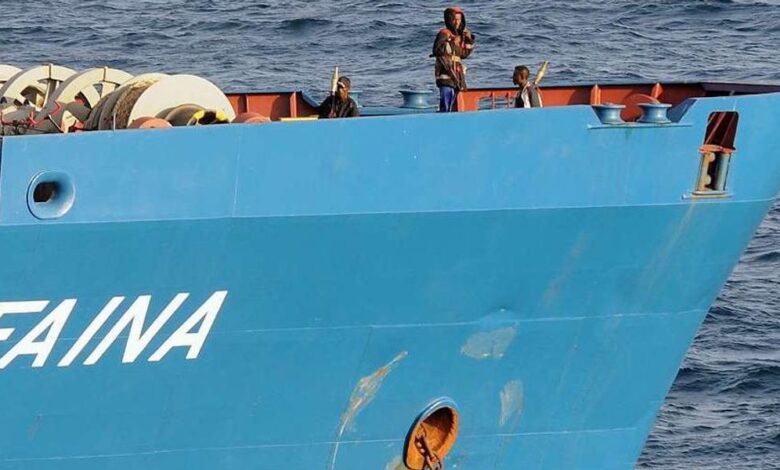
The most high-profile incident of the year involved the MV Lutuf, a Cameroon-flagged vessel carrying Turkish military and satellite equipment. The ship was seized on August 17 off the coast of Puntland, a semi-autonomous region in northeastern Somalia. The Federal Government of Somalia announced on August 29 that a joint operation by the Turkish navy and Somali forces had freed the vessel after a 10-day pursuit, killing 14 pirates and destroying four boats. The operation was credited to a 2024 defense pact between the two nations.

However, the official account has been disputed by local authorities in Puntland. The Puntland Ministry of Security stated that no military rescue took place, accusing federal officials in Mogadishu of securing the vessel’s release through a ransom payment. Mohamed Mubarak, head of the Puntland security coordination office, alleged that a $2.5 million ransom was paid, a claim that has not been independently verified. Analysts warn that confirmed ransom payments risk incentivizing further hijackings, while the conflicting narratives between Ankara, Mogadishu, and Puntland underscore the fragility of local governance in the region.
Piracy tactics have also evolved, with criminal networks increasingly using hijacked ships as “motherships” to conduct further attacks. Local officials noted that the MV Lutuf was approached by the MV Sward, a cement carrier previously seized by pirates and repurposed for offensive operations. The Sward was later released in April after a four-month hostage crisis, with a ransom estimated at $1.7 million. This method allows pirates to project force further from shore and overwhelm the armed guards on commercial vessels.
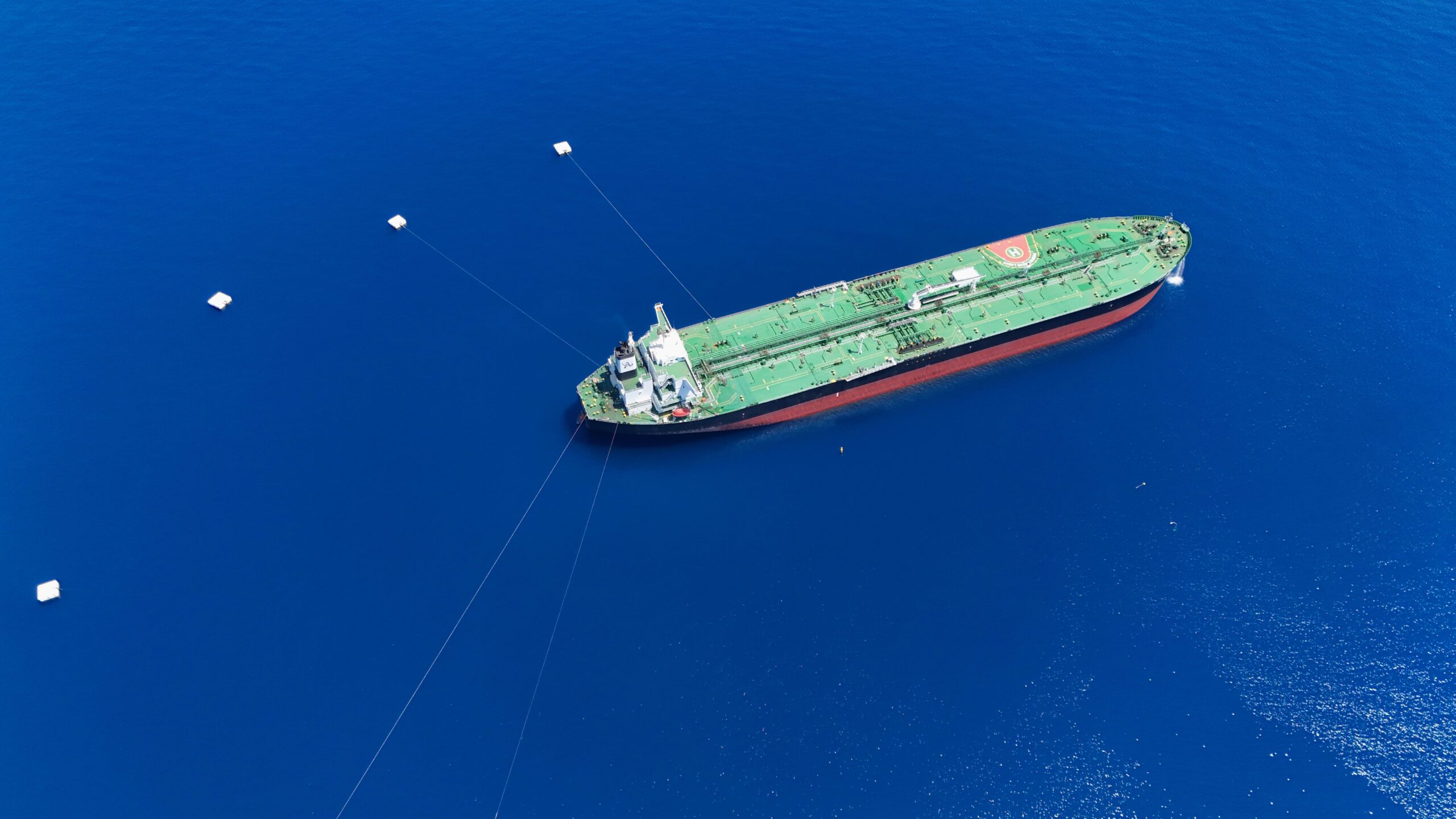
Maritime security experts suggest that the threat is being exacerbated by the transfer of knowledge and technology from the Houthi movement in Yemen to Somali pirates. As Houthi attacks disrupt shipping in the Red Sea, they inadvertently create the conditions for piracy off Somalia to thrive. Additionally, rising oil prices driven by the conflict in the region have made tanker cargoes more lucrative targets, with a tanker seized off Yemen in May reportedly valued at a $10 million ransom demand.
Somali State Minister for Foreign Affairs Ali Omar acknowledged that the return of piracy highlights persistent gaps in maritime security. He noted that the country’s long coastline, combined with underfunded naval capabilities and weak surveillance, makes monitoring difficult. However, Omar argued that today’s Somalia possesses federal institutions and international cooperation, particularly with Turkey, that distinguish it from the state of failed governance during the peak of piracy in 2011.
Despite these assurances, the international community faces a complex challenge. The International Chamber of Commerce reports that six commercial ships remained held at the end of last month, with more than 90 seafarers on board. The convergence of geopolitical conflict, rerouted shipping, and domestic instability has created a persistent threat to one of the world’s most critical shipping corridors, one that current military posturing is struggling to contain.