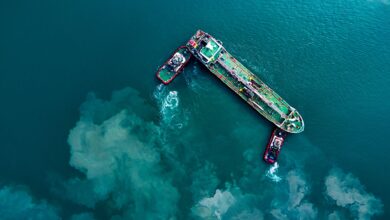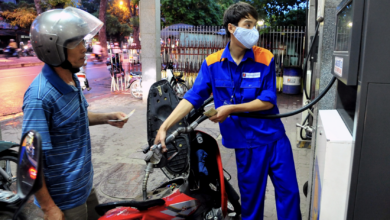

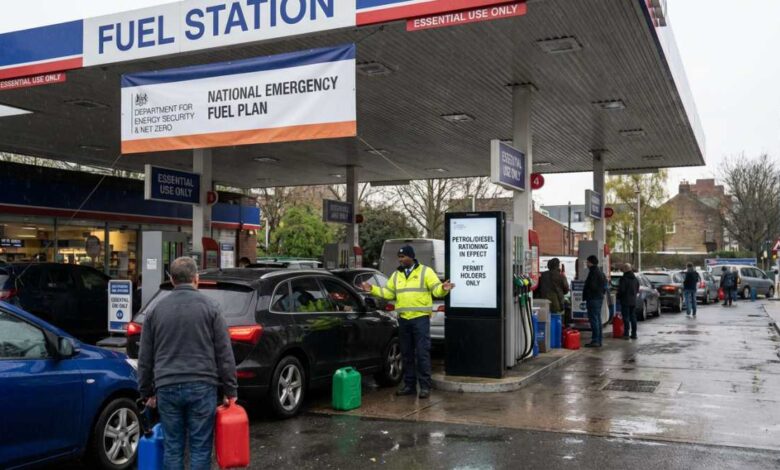
The urgency of the review stems from the ongoing conflict involving Iran, which has led to the blockade of the Strait of Hormuz, a critical chokepoint for global energy transport. This disruption has driven crude oil prices above $150 per barrel for unhedged fuel, creating significant pressure on downstream retail prices. In the UK, the average cost of petrol has risen by more than 17p per litre since late February, pushing the price above 150p in some markets. Education Secretary Bridget Phillipson has urged motorists to “fill up as normal,” asserting that supply chains remain stable and domestic production has not been affected by the global pressures. She advised drivers to follow guidance from trade bodies such as the RAC and to resist panic buying, emphasizing that the government is “well prepared” for any escalation.
The situation in the UK mirrors broader developments across Europe, where the energy crisis is deepening. Slovenia has become the first European Union country to introduce formal fuel rationing, restricting private motorists to a maximum of 50 litres per day, while businesses and farmers are allowed up to 200 litres. Additionally, fuel restrictions have been issued at four Italian airports. These local measures reflect the severity of the supply chain disruptions caused by the conflict, which has also triggered a severe jet fuel shortage. Ryanair’s CEO Michael O’Leary has warned of potential 10-25% jet fuel supply disruptions across Europe, including the UK, from early May if the conflict persists, although the airline has hedged approximately 80% of its fuel requirements.
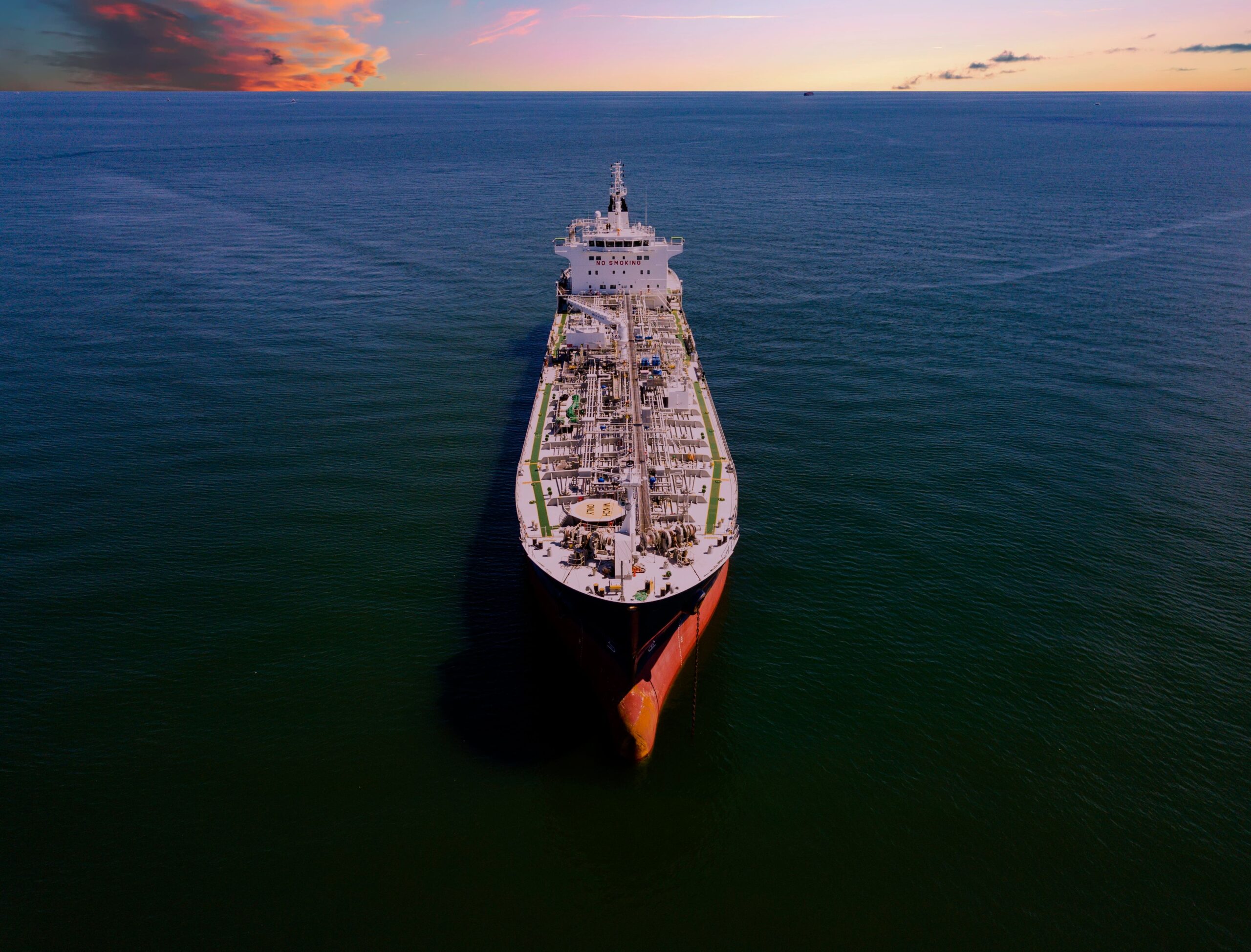
European Union officials are exploring “all possibilities” to mitigate the impact of what is being described as a prolonged shock that could keep energy prices elevated for an extended period. EU Energy and Housing Commissioner Dan Jørgensen identified fuel rationing and the release of emergency oil reserves as potential mitigation strategies. The crisis has intensified political debate within the bloc regarding energy security and strategic dependencies. Several member states, including Hungary and Slovakia, have called for the lifting of sanctions on Russian energy, arguing that the EU’s current stance exacerbates vulnerability to global price swings. Slovak Prime Minister Robert Fico characterized the EU’s energy policy as a “suicide ship,” while Belgian Prime Minister Bart De Wever described normalization of relations with Moscow as “common sense.”
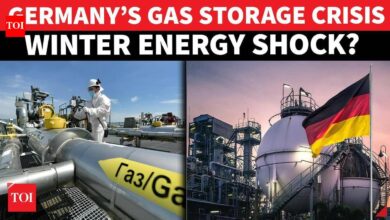
Germany has also faced scrutiny over its energy strategy, with its Energy Minister describing the country’s exit from nuclear energy as a “huge mistake” in the context of the looming crisis. The EU’s moratorium on Arctic oil and gas extraction, which has blocked further development in Norway, is being criticized by some energy executives as reducing Europe’s security of supply. Meanwhile, analysts in coal-dependent countries such as the Czech Republic are arguing for a pause in the planned closure of mines to bolster domestic energy resilience. The European Central Bank’s President Christine Lagarde described the long-term effects of the crisis for Europe as “probably beyond what we can imagine at the moment,” highlighting the potential for industrial contraction, higher manufacturing costs, and increased household utility bills.

As the UK continues to monitor the situation, the focus remains on balancing precautionary planning with the need to avoid market instability. The government’s stance is that the review of rationing plans is a standard part of emergency preparedness under the Energy Act 1976, designed to ensure equitable access to fuel should supply lines tighten further. The next phase of the crisis will depend on the duration of the Strait of Hormuz blockade and the effectiveness of international efforts to restore normal energy flows. For now, official guidance remains that consumers should continue normal refueling habits, with authorities closely watching for any signs of supply degradation that would trigger the activation of emergency measures.