
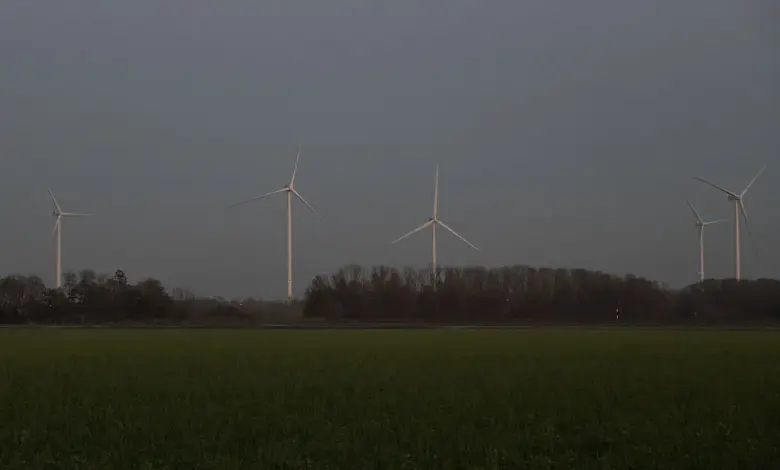
Robert Kuik, TenneT’s director of network planning, described the situation as a “strong warning,” emphasizing the need to avert “societal and economic impact.” The crisis stems from a collision between surging electricity demand—driven by the electrification of homes, transport, and industry—and a massive, rapid rollout of decentralized renewable energy, particularly rooftop and agricultural solar photovoltaics (PV). The existing grid infrastructure, largely designed decades ago for unidirectional flow from central power plants to consumers, was not engineered to handle the volume of local generation and variable loads now entering the system. This two-way flow creates complex balancing challenges, especially when renewable generation peaks coincide with high consumption periods.
The consequences of this bottleneck are already manifesting in the distribution sector. In a parallel development, Enexis, the distribution grid operator responsible for Groningen, Drenthe, Overijssel, North Brabant, and Limburg, is sending letters to approximately 55,000 households requesting permission to temporarily switch off or “dim” their solar panels during sunny periods. Through a third-party system called Zonnedimmer, Enexis can manage solar panel inverters to cap electricity generation, thereby preventing local grid overloads. Households that agree to this voluntary measure will be compensated 25 cents (€0.25) for every kilowatt-hour (kWh) of ungenerated electricity. For a typical household with ten solar panels dimmed for two hours, this translates to a payout of between one and two euros.
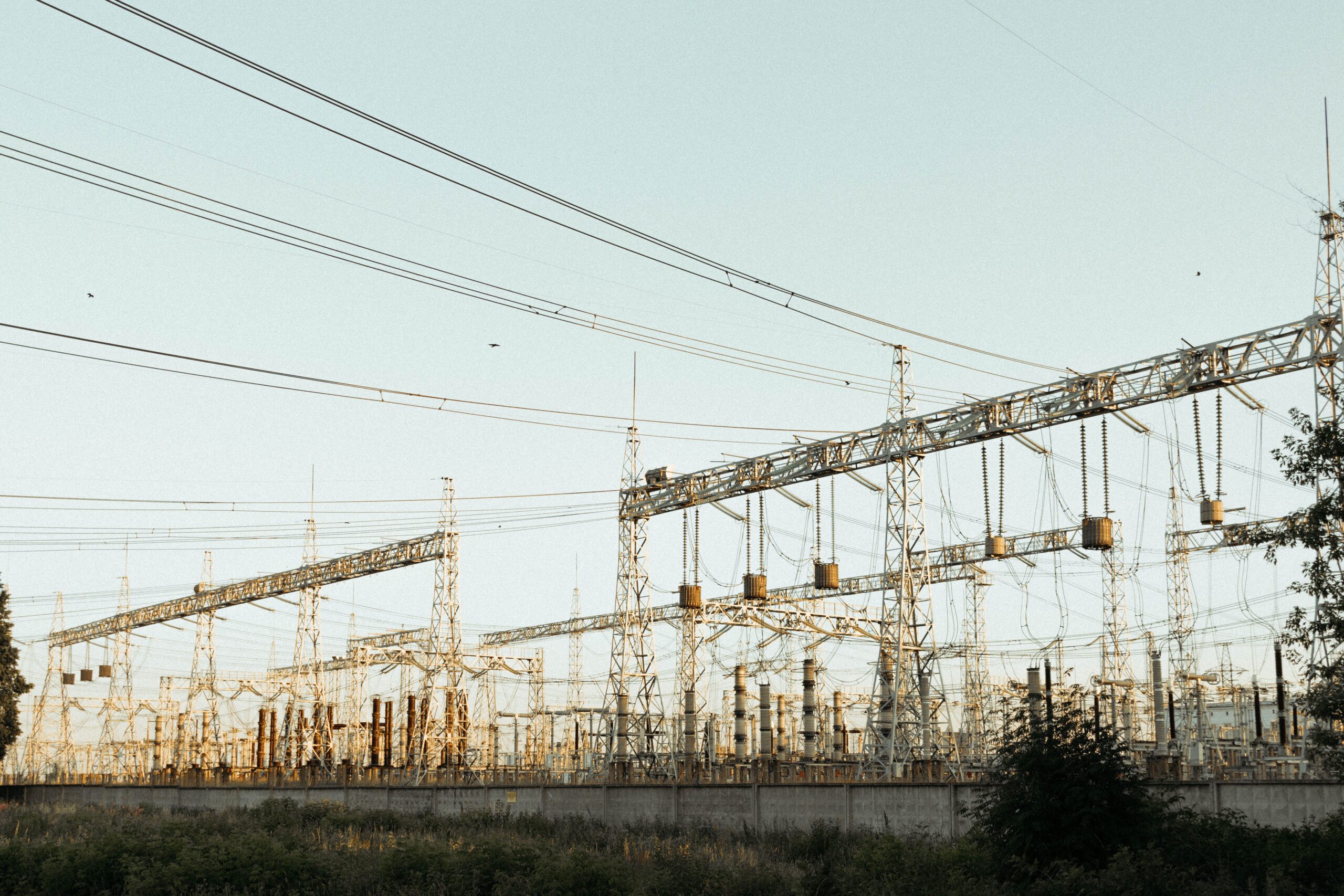
Thijs Derksen from Enexis clarified that this demand-side management is a temporary mitigation strategy rather than a long-term solution. “Reinforcing the grid remains the most financially favourable solution for grid congestion problems for us,” Derksen told NU.nl. “We will continue to focus fully on that. But you cannot expand the network indefinitely for peaks that only occur at a limited number of times.” The reliance on inverter-based dimming is also technically preferable to manual switching, as it preserves the warranty and lifespan of the equipment. Enexis is also encouraging residents to shift their own consumption patterns, using solar power for laundry, dishwashing, or electric vehicle charging during peak generation hours to reduce strain on the local network.
Despite these localized measures, the structural deficit in transmission capacity remains unresolved. TenneT’s latest report highlights that expansion projects are lagging far behind demand due to permitting delays, high costs, and supply-chain bottlenecks. The operator has outlined four key interventions to address the crisis: accelerating the construction of critical infrastructure, intensifying current measures, debating the acceptance of higher operational risks, and engaging households in smarter capacity management. Currently, around 14,000 businesses and institutions nationwide face long queues for upgrades or new hook-ups, with the problem most acute in the central provinces.
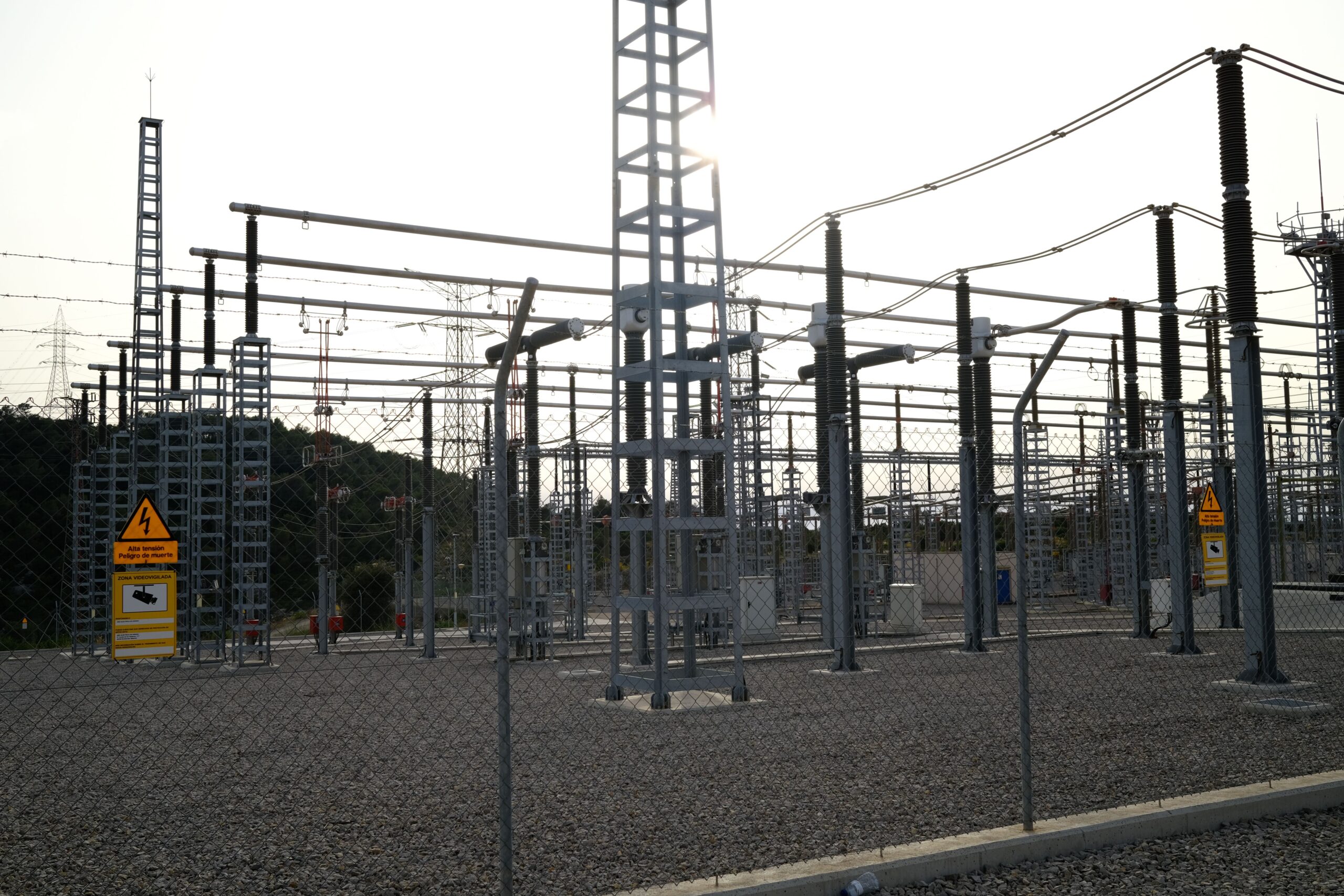
Political reactions have been sobering. Outgoing Minister of Climate and “Green” Growth Sophie Hermans acknowledged that the outlook is “far less positive” than previously hoped. She noted that her successor will face difficult decisions, particularly regarding the “major consequences” for affected regions like Utrecht. Hermans has requested a second opinion on the matter, signaling that the government is grappling with the tension between climate goals and infrastructure realities. For now, the Dutch grid stands at a tipping point where the physical limits of the network are testing the pace of the energy transition, forcing a choice between economic expansion and grid stability. The immediate next milestone is the potential implementation of the connection freeze this summer, a move that would formally halt new high-voltage connections in the most strained provinces until reinforcements are complete.