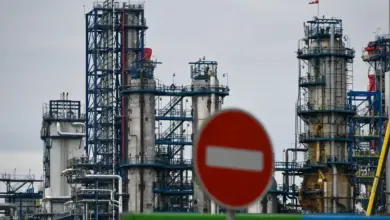
The procurement process, which launched in December 2023, aimed to secure 2,000 MW of new gas-fired generation capacity in alignment with the country’s Integrated Resource Plan (IRP) 2025. The Independent Power Producers (IPP) Office received four bids on May 29, 2026, proposing a combined 2,830 MW of generation capacity. Although the total offered capacity exceeded the government’s target, the proposals were rejected because the developers were unable to provide the requisite assurances of fuel supply. The tender documentation explicitly required bidders to demonstrate secure, long-term access to natural gas, a condition that none of the four contenders could satisfy.
The core of the issue lies in South Africa’s heavy dependence on imported natural gas, primarily from neighboring Mozambique. Industry data indicates that production from established fields in Mozambique is in decline, threatening to disrupt supplies to South African industrial users in the coming years. For new power station developers, the absence of a guaranteed fuel source effectively blocks progress through procurement and financial close, regardless of the technical merit of the generation assets. The Industrial Gas Users Association of Southern Africa (Igua-SA) described the failure as a “disaster,” warning that approximately 75,000 direct jobs and R700 billion ($42 billion) in annual economic activity are at risk as gas clients scramble to secure alternative supplies ahead of looming contract deadlines in 2028 and 2030.
“This failure must now trigger urgent intervention at presidential level,” said Jaco Human, executive officer at Igua-SA. The association’s stance highlights the broader systemic risk: as existing pipeline supplies wane, the industrial and power sectors face a simultaneous squeeze on fuel availability. Without a reliable fuel supply chain, the economic case for gas-fired generation—often cited for its flexibility and dispatchability to complement variable wind and solar power—remains theoretical rather than operational.
The failure of the GASIPPPP bid window is part of a longer pattern of delays in South Africa’s gas-to-power procurement history. The department’s analysis notes that previous initiatives, including a 2015-2016 procurement targeting 3,000 MW and a 2020-2021 emergency program that selected 1,418 MW, also failed to reach financial close or deliver electricity. The current failure reinforces the view that incremental amendments to procurement documentation are insufficient to resolve underlying structural barriers.
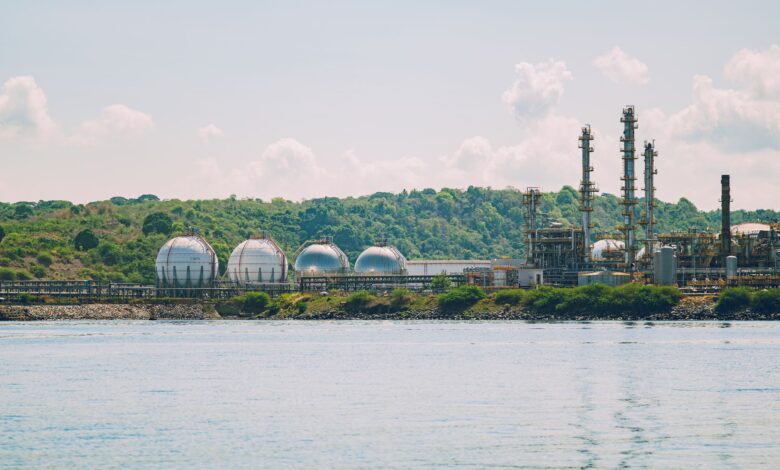
South Africa is currently developing its first liquefied natural gas (LNG) import terminal, with ExxonMobil and state-owned utility Eskom identified as anchor clients. This infrastructure development is critical to accessing international gas markets and supporting the expansion of gas-fired electricity generation. However, the failed tender illustrates the gap between infrastructure planning and immediate project bankability. Developers cannot finance power plants without the contractual certainty that the fuel required to operate them will be available at viable prices.
Government officials stated that they will continue pursuing gas-to-power objectives while engaging with market participants to address infrastructure, commercial, and institutional barriers. A proposed revised procurement process, provisionally described as GASIPPPP BW1.5, is under consideration, but no definitive structure, revised requirements, or timetable has been announced. The government indicated that further information would be provided before the end of 2026. Meanwhile, a proposed second bid window for 1,000 MW of gas-fired generation at Coega has yet to reach formal competitive procurement.
Experts suggest that a more coordinated approach is required, one that integrates electricity generation, LNG import infrastructure, gas aggregation, transportation, and industrial demand. This would involve clarifying the roles of multiple state entities, including the DEE, the Department of Mineral and Petroleum Resources, National Treasury, the IPP Office, Transnet, and Eskom. Crucially, the allocation of commercial risks—such as gas availability, international LNG price volatility, exchange rate fluctuations, and minimum electricity offtake—must be resolved in a manner that does not impose unacceptable costs on consumers or taxpayers.
As the country moves forward, the economic viability of gas-fired generation will also be evaluated against alternative technologies for providing grid stability, including battery energy storage, pumped storage, and demand response. While gas may play a useful role in providing system adequacy and flexibility, its extent, cost, and emissions implications require transparent evaluation. Until the fuel supply gap is bridged through the completion of LNG infrastructure or the securing of long-term import contracts, the translation of IRP capacity allocations into operational megawatts remains stalled.