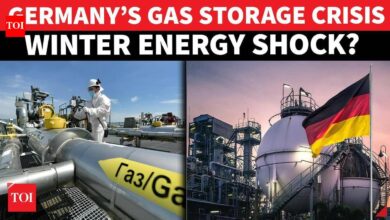


The immediate market reaction was bifurcated but distinct. Crude oil benchmarks advanced as traders priced in the risk of continued supply disruptions. Simultaneously, US equity-index futures slipped, reflecting broader risk-off sentiment as investors reassessed exposure to geopolitical instability. The rejection has also reignited volatility in bond markets, which had already been roiled by rising tensions in the region. This cross-asset movement underscores the interconnectedness of energy security and global financial stability, where a bottleneck in a single strategic chokepoint can ripple across multiple asset classes.
At the heart of the dispute is a specific diplomatic framework proposed by Iran: a seven-day plan to reopen the Strait of Hormuz. The proposal appeared to offer a short-term mechanism to restore flow, potentially alleviating immediate pressure on global inventories and freight costs. However, President Trump’s rejection of this specific timeline and structure indicates that the US government does not view the seven-day window as sufficient or as meeting its security and strategic requirements. By sticking to this rejected timeline, Iran has signaled that it is not willing to extend the proposal indefinitely or alter its core terms without further concessions, thereby threatening further delays in the normalization of maritime traffic.
Implications for Energy Supply and Logistics
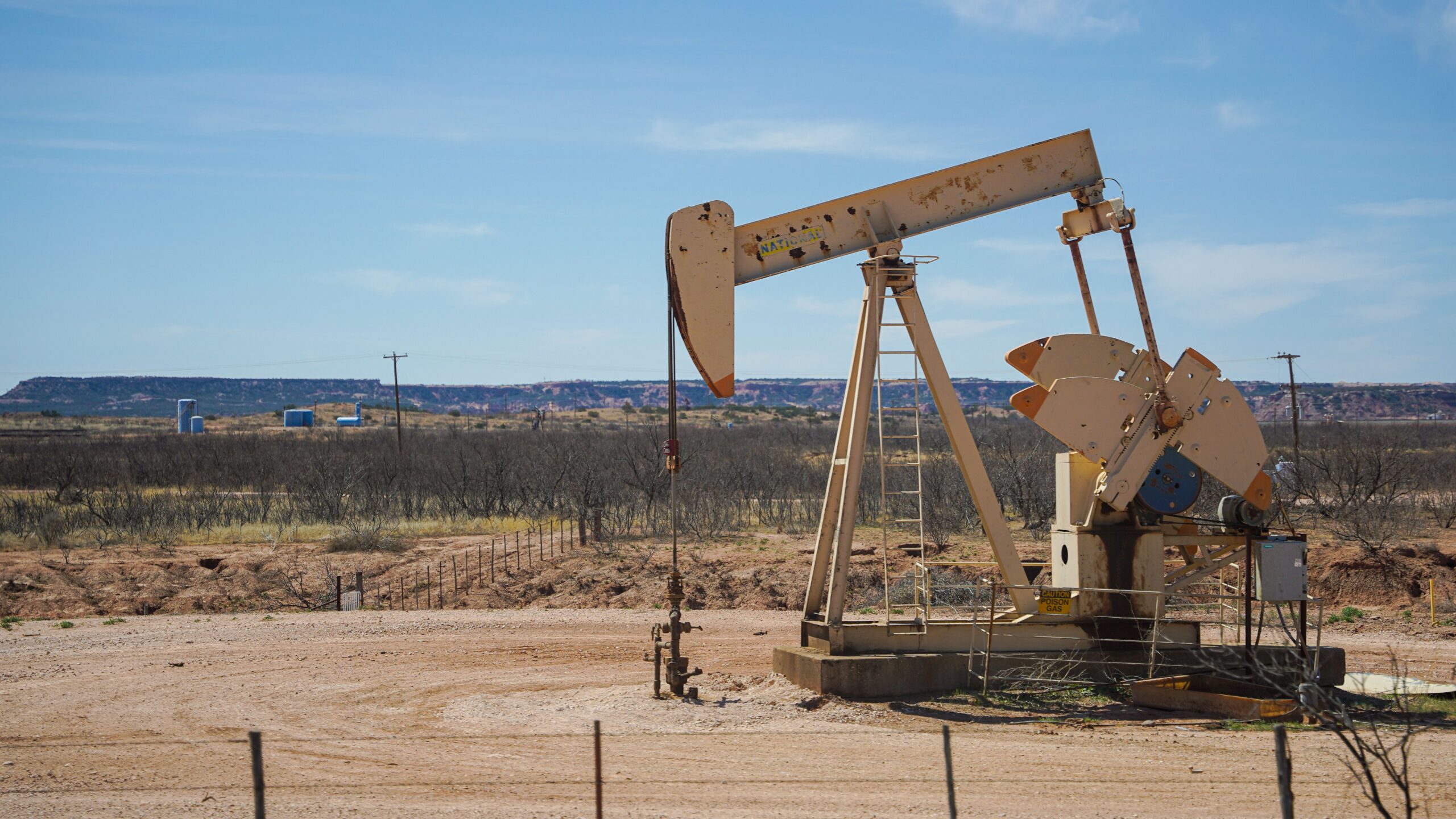
The Strait of Hormuz is one of the most critical arteries in the global energy system. Its closure or partial restriction has immediate consequences for the physical movement of crude oil and refined products. When the strait is impeded, tankers are forced to reroute or wait at anchor, increasing time-in-port and raising the cost of insurance and freight. For producers in the Persian Gulf, this creates a logistical bottleneck; even if production facilities are operational, the inability to export effectively caps real-world supply available to global buyers. This dynamic can lead to a divergence between nominal production capacity and actual export volumes, creating localized surpluses in the region while tightness persists in other global markets.
The rejection of the seven-day proposal extends this period of uncertainty. In energy markets, uncertainty is often priced as a risk premium. With no agreed-upon timeline for reopening, traders must account for the possibility that the strait remains closed or restricted for an indeterminate period. This affects not only spot prices but also the structure of the futures curve, as market participants adjust their expectations for future delivery. The lack of a clear resolution also complicates planning for refiners and traders who rely on predictable import schedules to manage inventory levels and hedge against price volatility.

Financial Market Repercussions
The financial fallout from the diplomatic impasse has been swift. The slip in US equity-index futures suggests that investors are de-risking, moving capital away from growth assets that may be sensitive to global supply chain shocks. At the same time, the reignited volatility in bond markets indicates that the inflationary or supply-side risks associated with energy price spikes are being reassessed. Rising oil prices can feed into broader inflationary pressures, complicating the monetary policy outlook for central banks and influencing yield expectations. The interplay between energy risk and financial stability has become a central theme in current market dynamics, with the Strait of Hormuz serving as a focal point for these concerns.
As the US and Iran remain at odds over the terms for reopening the waterway, the focus now turns to whether alternative diplomatic channels can bridge the gap between the rejected seven-day proposal and US security demands. Until a new framework is agreed upon, the energy market will likely remain sensitive to headlines from the region, with crude prices poised to remain elevated as a hedge against continued supply constraints. The next critical milestone will be any further diplomatic engagement that might offer a revised timeline or structural change to the proposal, providing the market with a clearer basis for pricing risk.