The decision comes just months after the first of the six units arrived in Singapore in March. The vehicle, a compact 16-seater electric bus, successfully completed closed-circuit tests that evaluated basic manoeuvres and its ability to allow passengers to board and alight safely at designated stops. The remaining five buses are currently undergoing similar preparatory tests. LTA stated that all six vehicles have been delivered to the country, though the specific routes for the initial, smaller-scale trials have not yet been disclosed.
Technological Consortium and Vehicle Specifications
The autonomous buses are the product of a cross-border collaboration led by Chinese electric vehicle giant BYD. The consortium includes Zhidao Network Technology (operating as MOGOX), which supplies the full-stack Level 4 automated driving software, and MKX Technologies, which handles local development and project management. Huawei provides the fast-charging infrastructure for the fleet.
Level 4 autonomy allows vehicles to operate without human intervention within defined conditions, such as specific geofenced routes. The 16-seat minibuses are optimized for congested urban traffic and are equipped with a 360-degree sensor suite, including cameras and radar mounted at the front, rear, and top. The interior layout mirrors traditional buses, featuring a dedicated space for wheelchair users, though the driver’s seat is absent. In the initial phase of operations, onboard safety operators will remain in the vehicle. Later phases aim to transition to remote monitoring and fleet management from a central control center.
From Public Routes to Targeted Shuttles
Originally, the pilot was designed to run for three years on Service 400, linking landmarks such as Marina Bay Cruise Centre and Gardens by the Bay, and Service 191, connecting the one-north research hub with Buona Vista. These routes were selected for their mix of business, tech, and tourist traffic, making them ideal testbeds for new transport technology. The plan included an option to scale up to 20 buses and expand to additional routes if the trial proved successful.
However, the LTA has determined that public bus services present greater complexity than the targeted shuttle services now under consideration. Acting Transport Minister Jeffrey Siow has previously indicated a “really big push” for autonomous vehicles, with many expected on the roads within five years. Yet, the authority’s recent pivot suggests that regulatory and operational hurdles regarding public confidence and safety remain significant.
Global Context and Industry Challenges
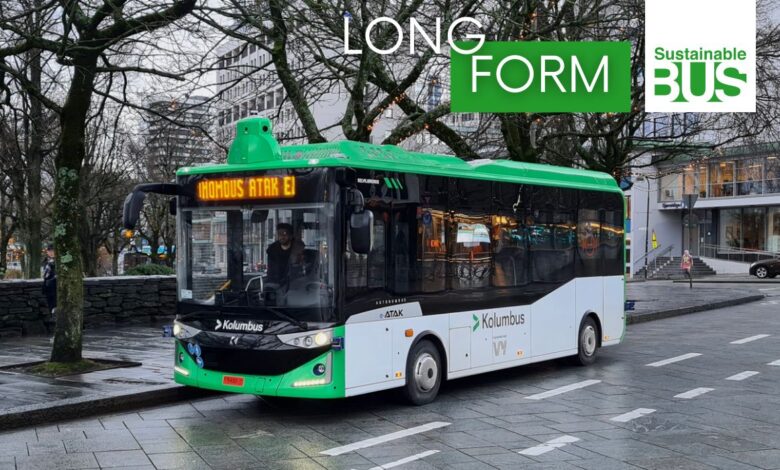
Singapore’s cautious approach mirrors broader trends in the global autonomous bus sector. While technology providers like Karsan and Adastec have demonstrated Level 4 capabilities in cities like Stavanger, Norway, and Tampere, Finland, the industry faces challenges in scaling from private or limited-shuttle operations to full public transit integration. In Europe, Germany’s ALIKE project aims to deploy up to 10,000 autonomous shuttles by 2030, while labor unions in the United States, such as the Transport Workers Union, have secured veto powers over autonomous vehicle implementation in some regions.
In Singapore, public reception has been mixed. Bus driver Muhammad Naz Farihin, who participated in a trial in Punggol, noted that the vehicle’s performance was comparable to a cautious human driver. However, he emphasized that the human element remains essential for addressing the diverse needs of passengers, including the elderly and those requiring special assistance. “This is something a driverless vehicle will not be able to handle,” Farihin said.
As Singapore refines its strategy, the focus shifts to demonstrating reliability in controlled environments. The next confirmed step involves the completion of testing for the remaining five buses and the announcement of specific narrower use cases for the initial deployment. The ultimate goal remains to enhance urban mobility, align with the nation’s zero-emission targets, and address manpower shortages, but the timeline for widespread public adoption has been recalibrated.