

Immediate Environmental Impact and Infrastructure Strain
The flooding represents a significant strain on Bangkok’s drainage infrastructure, which is frequently tested during the monsoon season. The sheer volume of rainwater has overwhelmed the city’s capacity to manage runoff, leading to rapid accumulation on streets and in neighborhoods. This environmental stressor is not merely an inconvenience; it poses immediate risks to public safety and property. With roads submerged, emergency vehicles face difficulties reaching affected residents, while commercial activity grinds to a halt in flooded sectors.
The declaration of a disaster zone is a formal administrative response to the severity of the situation. It signals that local resources are insufficient to manage the crisis without additional support, often triggering the deployment of national emergency services and military assistance. In this context, the environmental phenomenon of heavy rainfall has translated directly into a humanitarian and logistical challenge, necessitating coordinated disaster management efforts.

Climatic Context and Urban Vulnerability
While the immediate cause is the intensity of the rainfall, the recurring nature of such events in Bangkok highlights broader climatic and urban planning vulnerabilities. The city, built on soft land and surrounded by river systems, is inherently susceptible to flooding. Climate variability, which can intensify rainfall events, exacerbates these structural risks. The current incident underscores the ongoing tension between rapid urbanization and the natural hydrological cycles that govern the region. As global weather patterns shift, cities in tropical zones like Bangkok face increasing pressure to adapt their infrastructure to handle more extreme precipitation events.
The environmental significance of this event extends beyond the immediate floodwaters. It serves as a stark reminder of the impact of extreme weather on densely populated urban centers. The submerged roads are a visible symptom of a larger systemic issue: the need for resilient urban design that can accommodate both the natural flow of water and the demands of a growing population. The disaster zone status reflects the recognition that the environmental conditions have exceeded the city’s standard operational thresholds.
Response and Ongoing Challenges
In the aftermath of the initial surge, authorities are focused on water removal and the restoration of essential services. The response involves pumping operations, traffic rerouting, and the provision of aid to displaced residents. However, the resilience of the city is tested by the persistence of the rains. If the heavy precipitation continues, the risk of secondary flooding remains high, particularly in areas where drainage channels are already saturated.
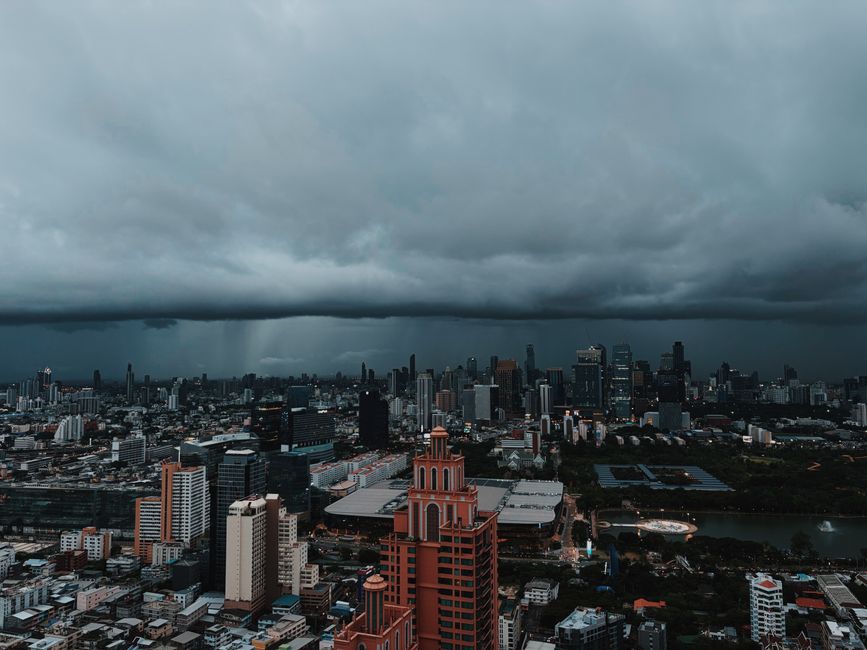
The situation in Bangkok illustrates the complex interplay between meteorological events and urban management. The official disaster declaration is not just a statistical milestone but a call to action for coordinated emergency response. As the waters recede, the focus will shift to assessing damage and implementing measures to prevent similar disruptions in the future. The event serves as a critical data point in the ongoing effort to understand and mitigate the risks posed by extreme weather in one of Southeast Asia’s most important economic hubs.
The immediate challenge remains the management of the flooded zones, ensuring that the environment’s natural forces do not compromise the safety and stability of the urban population. The declaration of the disaster zone marks the beginning of a structured recovery process, aiming to restore normalcy while addressing the underlying vulnerabilities exposed by the relentless rains.
