
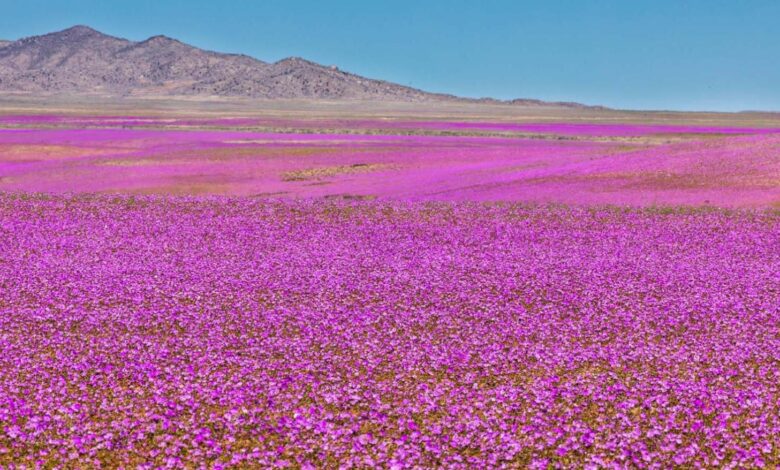
The Atacama, situated between the Andes Mountains and the Pacific Ocean, is the driest non-polar desert in the world. In many locations, annual precipitation rarely exceeds 15 millimeters. However, recent measurements indicate that some areas received up to 180 millimeters of rain, a level of precipitation that had never been recorded before in the region, according to Cesar Pizarro, head of Atacama biodiversity for Chile’s forestry body CONAF. This moisture is more than three times the 15 to 30 millimeters typically required to trigger a desert bloom, prompting the germination of millions of seeds and bulbs from over 200 different plant species.
Biological adaptations allow these native species to survive extreme conditions. Many plants possess deep roots and waxy leaves, enabling them to remain dormant underground for more than a decade while waiting for sufficient moisture. A study by the Catholic University of Chile estimates that the desert is home to approximately 1,893 rare plant species during these events, the majority of which are endemic to the region, meaning they grow nowhere else in the wild. As the moisture seeps into the sand, these seeds germinate rapidly, producing flowers within weeks and creating a temporary ecosystem that supports insects and other wildlife.
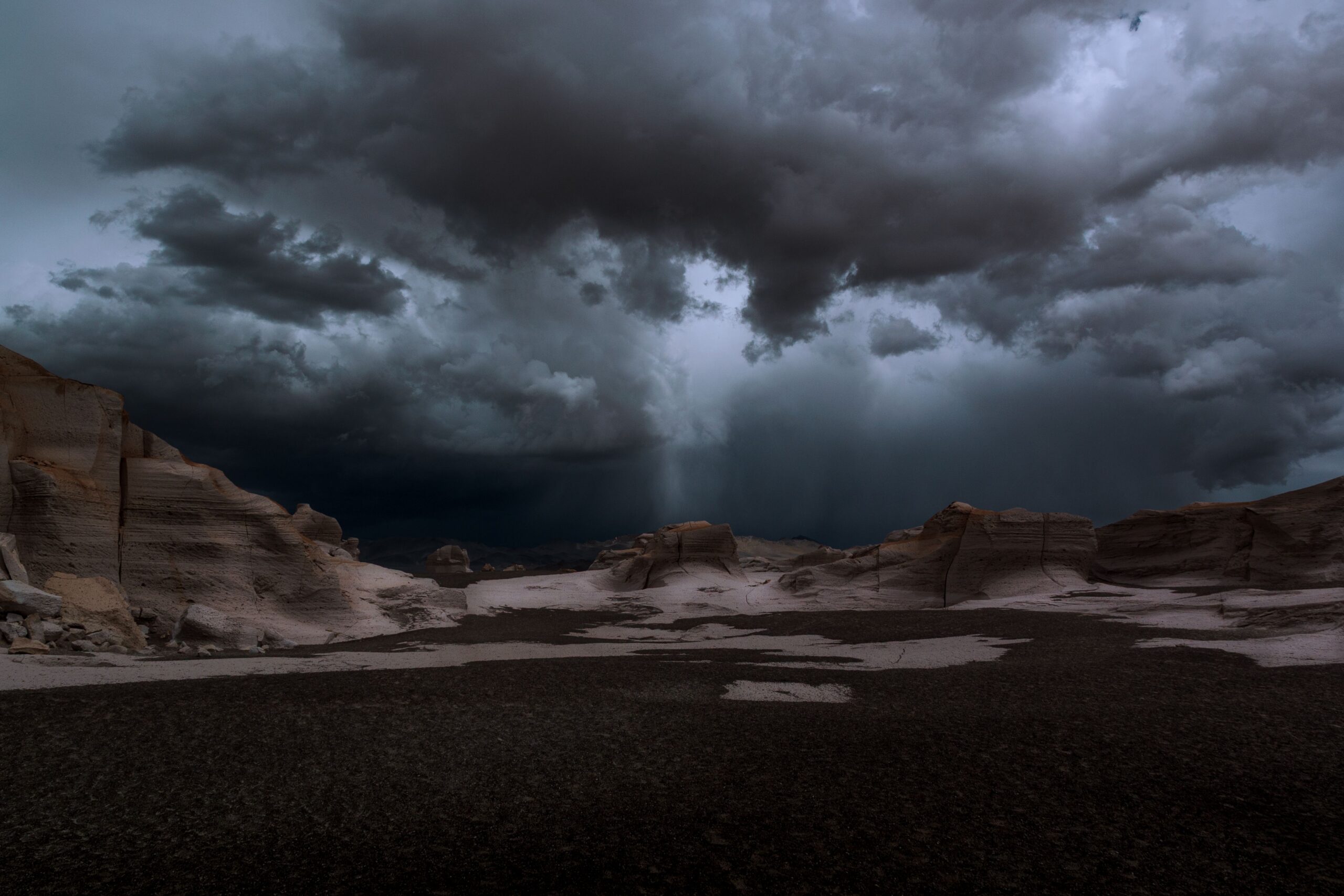
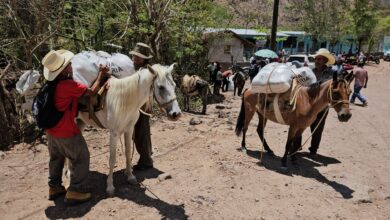
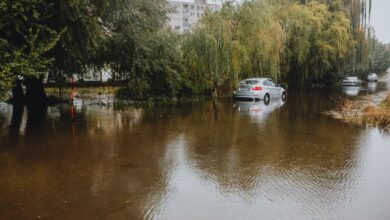
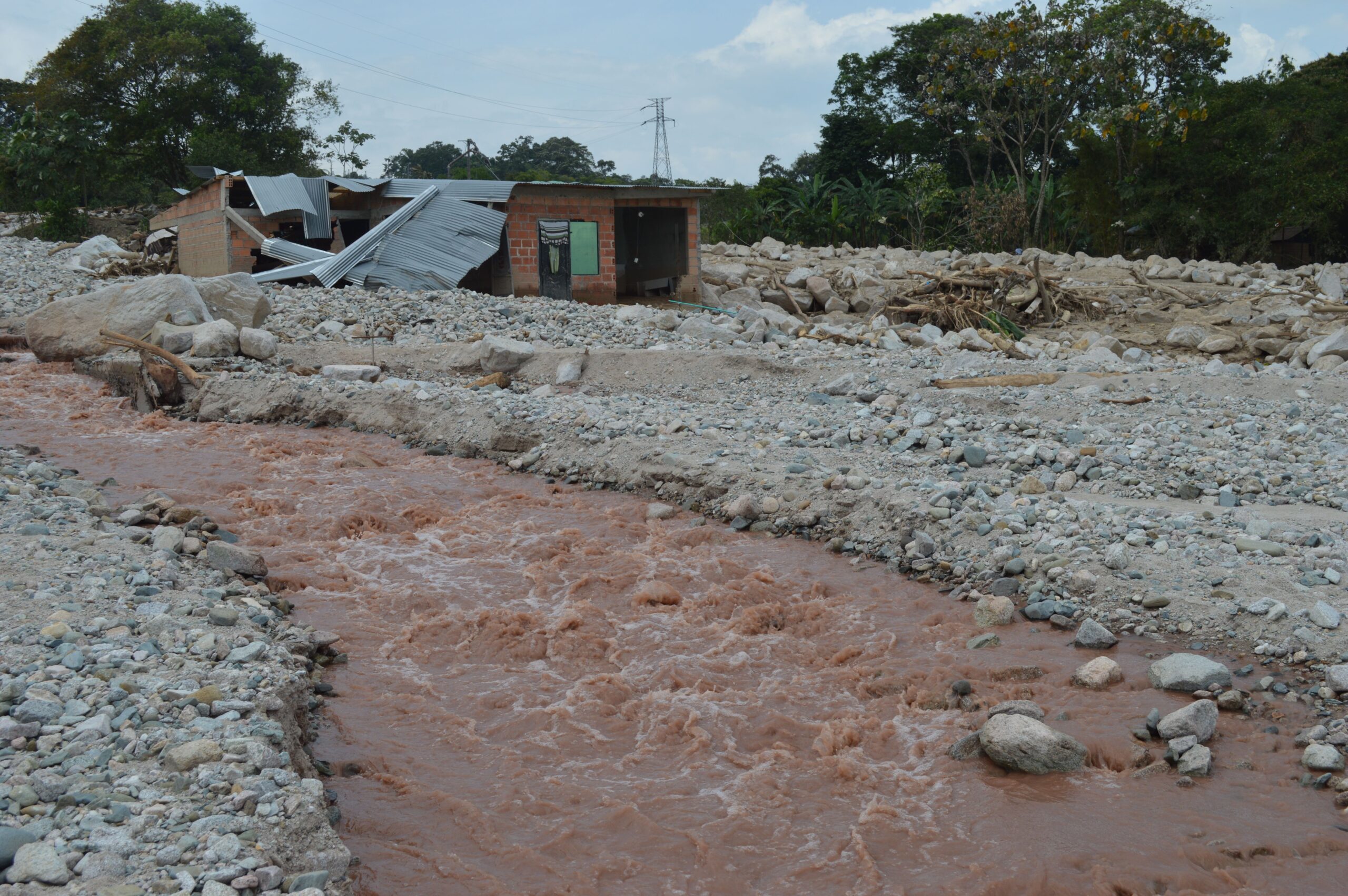
While the blooming offers a striking visual spectacle, it is part of a broader climate pattern that has brought severe consequences to northern Chile. The current El Niño event is predicted to be the strongest since comparable records began four decades ago. This phenomenon raises surface temperatures in the central and eastern equatorial Pacific Ocean, altering global wind and rainfall patterns. In July, torrential rains associated with this event killed 13 people and destroyed or severely damaged approximately 4,000 homes. Pizarro acknowledged the devastating impacts of the weather but noted that such conditions can also generate life in specific ecosystems. “Although there is great concern… about the impacts it is causing in many places, it also generates life,” he said.
Scientists caution that El Niño alone does not fully explain the phenomenon. While rainfall is the critical trigger, temperature, sunlight, humidity, and local soil conditions also determine whether dormant plants emerge. The timing of the bloom follows the Chilean winter months of June to August, with the flowering landscape expected to reach its peak diversity and abundance in October. Authorities estimate that the blooming area will expand to cover about 15,000 hectares, attracting thousands of tourists and environmental specialists from around the world. In higher-altitude regions of the desert, snowfall was even recorded in August, further highlighting the erratic nature of the current weather patterns.
Conservation and Visitor Management
The fragility of this temporary ecosystem has prompted strict conservation measures. To protect the sensitive flora and the fragile seed banks in the soil, visitors are prohibited from leaving designated paths or picking flowers. Following a particularly intense bloom in 2022, the Chilean government established the Desierto Florido National Park a year later. Covering an area of well over 57,000 hectares, the park aims to preserve the region’s biodiversity and ensure the long-term survival of its unique plant species. The establishment of the park reflects a broader effort to balance the economic benefits of tourism with the ecological necessity of preserving one of the planet’s most distinctive landscapes.
The phenomenon is expected to continue expanding through September, with the full extent of the floral display anticipated to be visible by mid-October. For a brief period, the stark, barren landscape of the Atacama will serve as a vivid reminder of the extraordinary biological resilience hidden beneath the desert surface, even as the region grapples with the challenges of an increasingly variable climate.