
The US Climate Prediction Center assessed on July 9 that there is an 81 percent probability El Niño will become one of the most powerful events recorded since 1950. The weather pattern is likely to peak between October and December. In East Africa, the situation is already visible in the physical landscape; in South Sudan’s Eastern Equatoria state, the seasonal Singaita River has reduced to a stretch of sand, leaving fields of sorghum and maize brown and brittle. Local residents report that water points are shrinking, forcing women and girls to travel longer distances for water, while daily meal preparations have become constrained by severe food shortages.
The agricultural impact extends beyond East Africa. An assessment by the European Commission’s Joint Research Centre (JRC) indicates that El Niño has already driven crop failures in Central America and East Africa. The phenomenon now threatens the upcoming agricultural seasons in Southern Africa, East Africa, Western South America, and Southeast Asia. In Central America, specifically Guatemala, these conditions are part of a broader pattern affecting the region. The African Development Bank estimates that in Africa alone, the weather pattern could reduce gross output by up to US$20 billion in affected countries, potentially triggering mass migration.
Humanitarian organizations warn that communities in Kenya, Uganda, Somalia, Bangladesh, Pakistan, and Afghanistan are particularly at risk. These nations are already managing ongoing humanitarian emergencies, including flooding and drought, while also facing funding cuts. The convergence of multiple crises in these locations poses a significant threat, as these areas are often the least equipped to absorb additional shocks. In South Sudan, the lack of rainfall has led to a situation described by local residents as a serious food shortage, with crops drying up and the sun described as “burning like fire.”
“We’re watching several emergencies converge at once, and the places least equipped to absorb another shock are the ones in the crosshairs,” said Bob Kitchen, a senior official for emergencies at the International Rescue Committee.
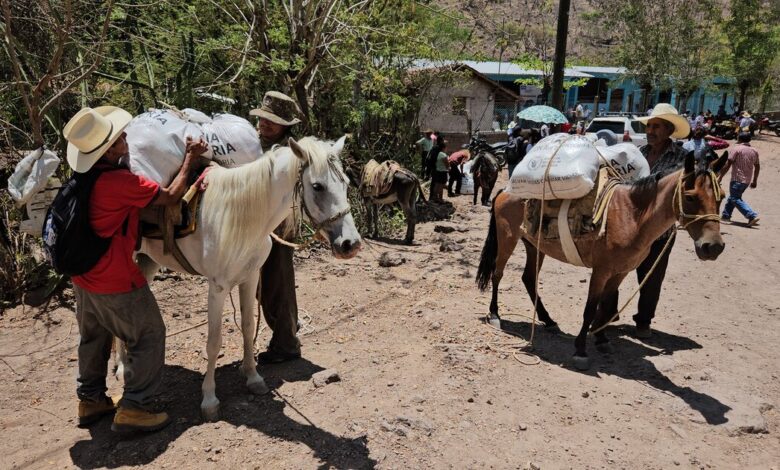
In response to these projected impacts, international aid agencies, including the World Food Programme (WFP), are implementing “anticipatory action” strategies. This approach aims to support vulnerable communities before disasters strike, rather than solely responding after events occur. Initiatives include providing cash assistance, farming support, insurance, and early-warning information in countries such as Guatemala, Madagascar, Pakistan, and South Sudan. The goal is to help at-risk populations prepare for and cope with the weather extremes associated with the El Niño phenomenon.
The full extent of the impact remains a subject of ongoing monitoring, with experts noting that the effects could carry over into 2027. The next comprehensive assessment of agricultural production anomalies is scheduled for the end of September 2026. Current data suggests that without effective early action, the combination of drought and storms could lead to widespread displacement and deepened poverty in the affected regions. The scientific community continues to monitor the strength of the El Niño, with the current trajectory indicating a significant deviation from neutral weather patterns that will test the resilience of global food systems.