

The choice to wear the armbands transformed the fixture into a politically charged event, drawing significant attention beyond the immediate sporting context. While the primary objective of a Nations League match is to secure points and improve league standing, the visual statement made by the Irish squad highlighted the intersection of international football and global humanitarian concerns. The match served as a platform for this expression, with the black bands standing out against the team kits throughout the ninety minutes.
On the field, Ireland demonstrated the control necessary to secure a comfortable margin of victory. The 3-0 scoreline reflects a performance in which the Irish side dominated the proceedings, converting their opportunities to build a safe lead. The nature of the result indicates that Ireland was able to assert their tactical and technical superiority over the course of the match, preventing Israel from finding a foothold in the game.

The decision to host the match in Hungary added a layer of logistical and diplomatic complexity to the fixture. By playing in a neutral venue, the match avoided the potential security and political tensions that might have accompanied a game in either the Republic of Ireland or Israel. This arrangement allowed the game to proceed, albeit with the underlying political tensions remaining evident through the players’ attire and the broader context of the match.
The significance of the result extends beyond the immediate scoreline. In the UEFA Nations League format, victories contribute directly to a team’s position within their respective league and group. A 3-0 win provides a substantial boost in points, helping Ireland advance their campaign in the tournament. For Israel, the heavy defeat represents a setback in their own Nations League objectives, highlighting the gap in performance on this particular night.
The wearing of the black armbands has historically been a method for athletes to draw attention to humanitarian crises. In this instance, the gesture connected the sporting event to the ongoing conflict in Gaza. It is a documented action that places the players in the public spotlight, where their actions are scrutinized not only for their athletic merit but also for their social and political stance. The match thus became a focal point for discussions on the role of sports in addressing global issues.
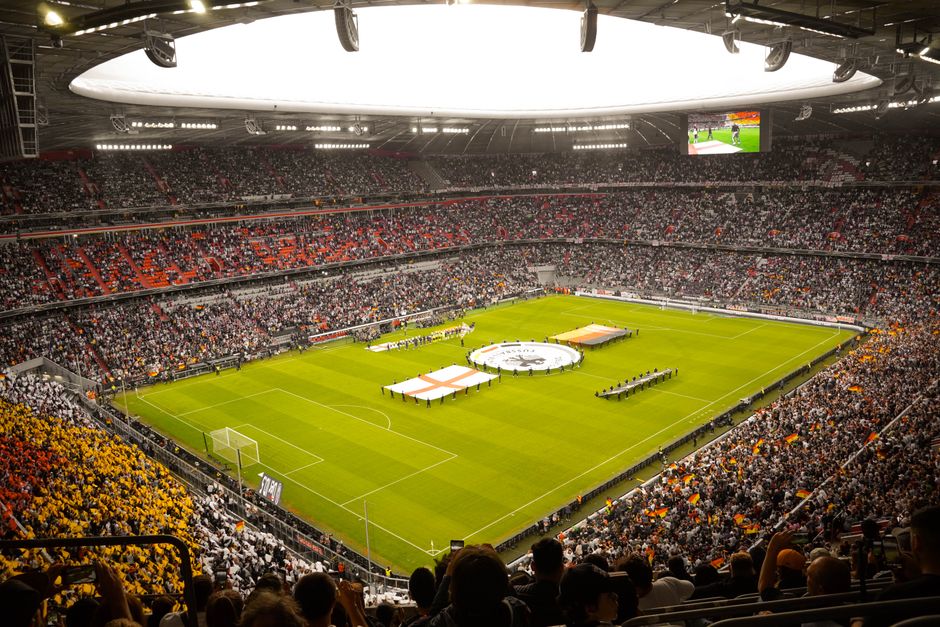
As the match concluded, the Irish side had achieved their primary sporting goal of a victory, while also making a pronounced symbolic statement. The 3-0 result stands as a testament to Ireland’s effective performance in a neutral setting, while the black armbands remain a defining feature of the match’s legacy. The next steps in the Nations League campaign will see both teams look to build on or recover from this result, with the political dimensions likely to continue shadowing the competitive aspects of the tournament.
The fixture in Hungary highlighted the unique position of international football, where competitive outcomes and political statements can coexist on the same pitch. Ireland’s victory was clear in terms of the score, but the match will be remembered for the convergence of sporting achievement and humanitarian advocacy, marking a distinctive chapter in the current Nations League cycle.
