
Climate Change Amplifies Extreme Conditions
The root cause of the current emergency is a combination of low precipitation, the driest spring on record, and record-breaking temperatures observed in late June. A study published on July 23 by World Weather Attribution, involving scientists from Austria, Czechia, and Hungary, provides attribution evidence for these conditions. The research found that the soil moisture deficits seen across eastern Europe from January to June have become approximately 11 times more probable due to human-induced climate change.
“The combination of low precipitation and high potential evapotranspiration is characteristic of ‘extreme’ drought conditions in the eastern region in today’s climate. An event of similar rarity would have resulted in comparatively milder ‘moderate’ conditions in a 1.4°Celsius cooler climate,” the study concluded.
Pavel Zahradnicek, a climatologist at the Czech Hydrometeorological Institute, warned that such events are not isolated anomalies. “Prepare for droughts to be more frequent and more intense in the future,” he stated, noting that most climate projections for the region indicate that drought episodes will become longer and affect the entire territory.
Agricultural and Economic Repercussions
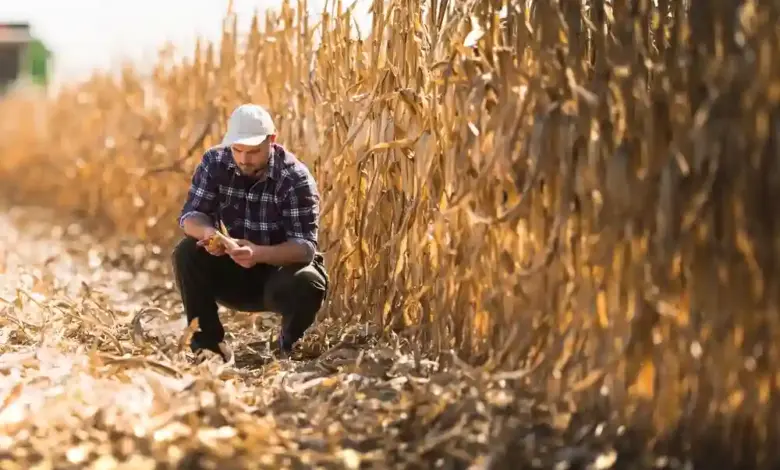
The agricultural sector, a main pillar of the Hungarian economy, is facing severe damage. In Hungary, over 90% of the total land area is at immediate risk of severe drought damage. Last year, drought destroyed 550,000 hectares of farmland, and a recent policy study estimated that the 2022 drought alone caused more than one trillion Hungarian Forint in damage. Current projections suggest that 2026 yields will be significantly worse than previous records.
Similar stress is evident in neighboring countries. In Czechia, agricultural yields are estimated to be 10–40% lower than normal. The financial strain is pushing insurance premiums out of reach for many farmers, while insurers are refusing to cover high-risk crops such as cherries and apricots. In Slovakia, which experienced its driest April since records began in 1881, precipitation levels have fallen below 50% of the long-term average. Hydrologist Jana Poorova reported that water levels and spring yields are now below 20% of the long-term norm.
Local voices reflect the severity of the situation. Vera, a resident of a small town in Czechia’s southern Moravia region, described the total failure of her garden: “Everything I grow in my garden has dried up this year. Absolutely everything. You can water all you want, and it still won’t help.”
Industrial Demand and Infrastructure Gaps
The crisis is exacerbated by the region’s status as a hub for the electric vehicle supply chain, particularly in Hungary. The government guaranteed vast amounts of water to heavily polluting and water-hungry battery factories, primarily owned by Chinese investors, in cities like Debrecen. Battery manufacturing is an incredibly water-intensive process, with refineries and cooling systems requiring millions of cubic meters of fresh water daily.
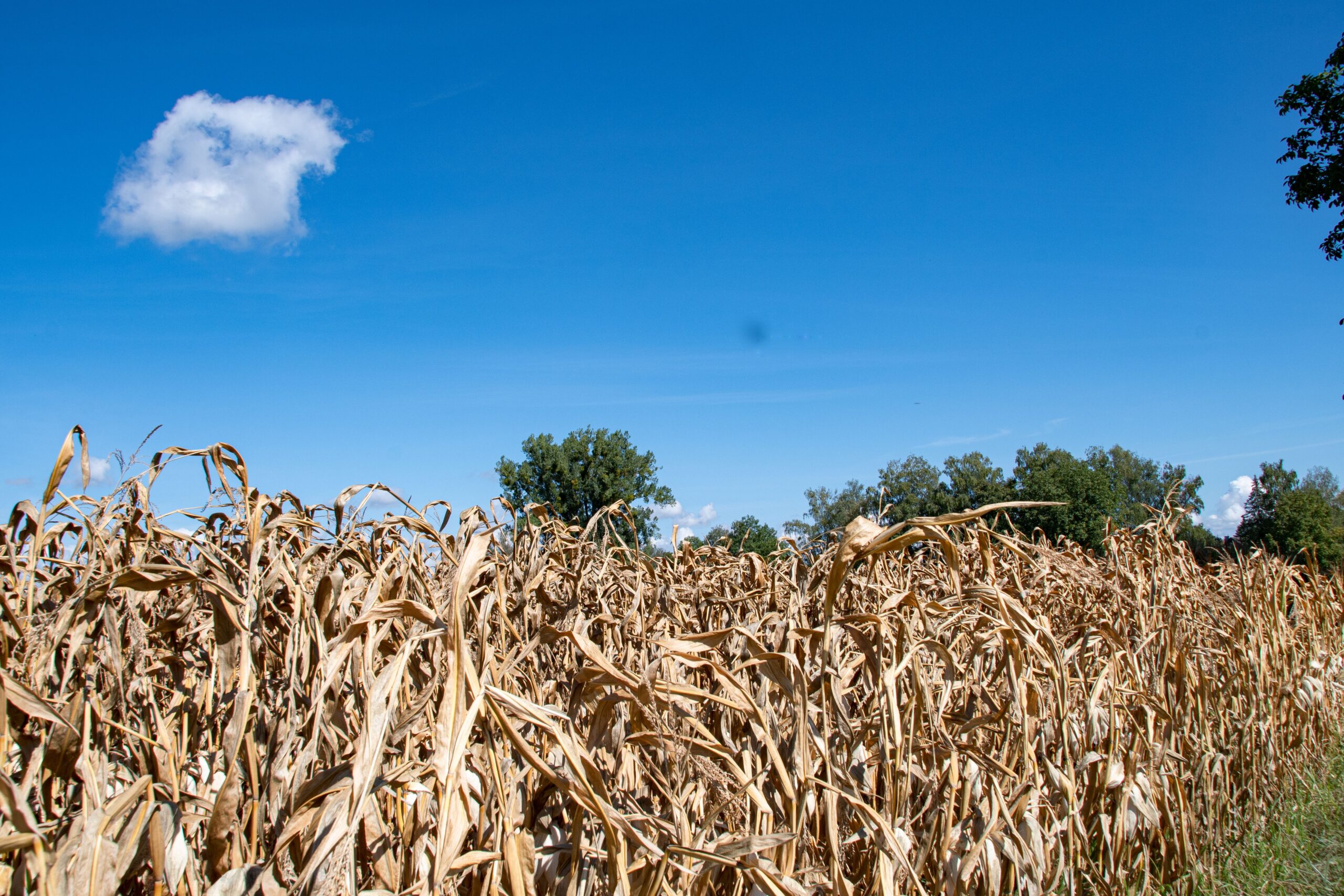
This industrial consumption drains local aquifers and directly competes with the irrigation needs of local farmers. In the Homokhátság, a sandy region between the Danube and Tisza rivers, approximately 6–8 billion cubic meters of groundwater have been lost over the past 15 years due to a combination of climate change, landscape alteration, and intensive water use. With less than 3% of Hungary’s arable land currently irrigated, farmers are particularly vulnerable to these prolonged dry periods.
Experts argue that the solution lies not just in irrigation, but in restoring the landscape’s ability to retain water. A new documentary series highlights approaches such as regenerative agriculture, minimal soil disturbance, and the cultivation of drought-tolerant crops. Hydrogeologist Judit Szőnyi and other scientists emphasize that maintaining healthy soil structure is critical for absorbing and retaining moisture. Farmer Zoltán Szabó noted the economic reality of these changes: “We have reached our limits. From here, things can only get worse. If we want to maintain current production levels, we must build up our soils, not destroy them.”
As the new Hungarian government under Péter Magyar faces this environmental emergency, the tension between fueling industrial growth and protecting domestic food security has become a defining policy challenge. The immediate need is for radical intervention in water management, shifting from draining water through existing channels to keeping it within the landscape.