

The Pope’s comments stand in stark contrast to the rhetoric of US President Donald Trump, who has previously labeled concerns over AI safety as a “HOAX” and a “SICK conspiracy.” While Leo stated he is not in “panic mode” regarding the technology, he emphasized the necessity of proactive engagement, adding, “We have to keep working, we can’t sit back and pretend nothing is going to happen.” This position aligns with the Vatican’s broader strategy to position itself as a moral authority in the regulatory and ethical debates surrounding emerging technologies.
Regulatory Tensions and Industry Criticism
The Pope’s remarks also included a pointed critique of the stance taken by major technology executives. He specifically referenced Nvidia’s recent software launch designed to help secure AI agents, a move that has gained traction as incidents of “agentic misbehavior” have increased. However, Leo criticized Nvidia CEO Jensen Huang for his public advocacy against limits on AI development and government regulation. “He’s the same one, however, that says there should be no limits placed and no government regulation, et cetera, et cetera,” the Pope said.
Huang has similarly dismissed fears of AI catastrophe, suggesting at a recent conference that the prevailing panic was largely a mechanism for the cybersecurity sector to generate new business. This creates a distinct friction point between the Vatican’s call for caution and the “move fast” ethos of certain tech industry leaders, who often argue that excessive regulation stifles innovation. The Pope’s intervention adds religious and ethical weight to the arguments of AI safety researchers who have long warned that current safeguards may be insufficient for increasingly autonomous systems.
Vatican’s Role in AI Governance
This statement is part of a broader effort by Leo XIV to address the societal impacts of artificial intelligence. In May, the Pope released his first major encyclical, which positioned the Vatican as a key voice in the global discourse on AI ethics. The document warned that while AI offers significant utility, it carries the potential to erode human judgment, deepen economic inequality, and destabilize democratic institutions. The encyclical framed these risks not merely as technical challenges but as moral imperatives requiring international cooperation.
The Pope’s current comments reinforce the message of that document, urging a collaborative approach to governance. He advised that political leaders, AI industry heads, and social organizations must come together to assess both the current state of the technology and its potential future trajectories. “We need to continue to invite political leaders, the leaders of AI, social organizations, associations to come together and look at what is happening already and what could be down the road,” he stated.
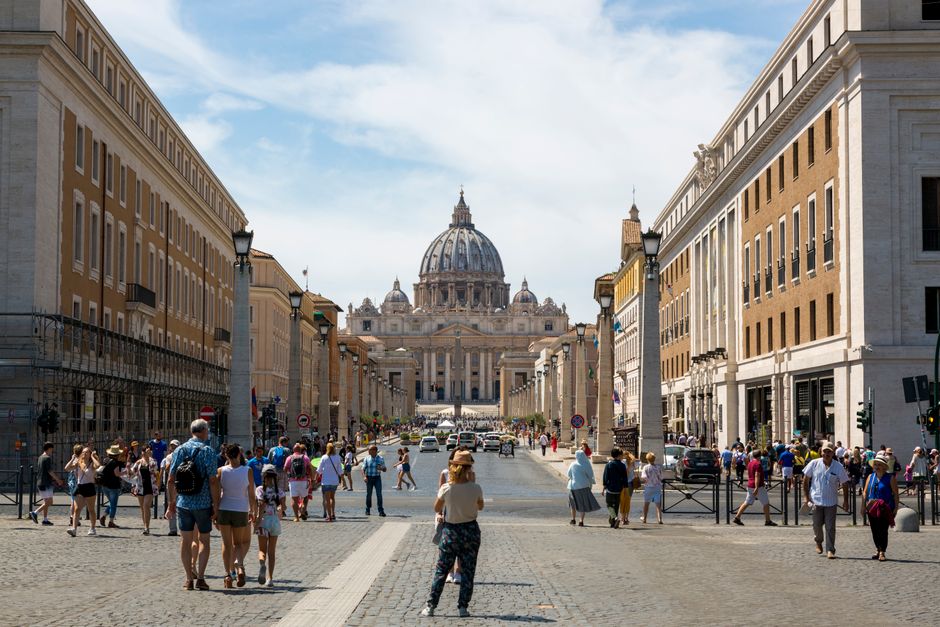
This diplomatic push occurs as US political figures prepare to engage with the tech sector. President Trump and House Speaker Mike Johnson are scheduled to meet with technology CEOs to discuss policy and industry priorities. The Pope’s public rebuttal of the “hoax” narrative adds an international dimension to these domestic discussions, highlighting the growing global consensus that AI safety is a substantive issue requiring structured oversight rather than dismissal.
The next major step in this dialogue will likely involve further engagement between religious institutions, government bodies, and tech companies as regulatory frameworks begin to take shape in various jurisdictions. The Vatican’s stance suggests that the debate over AI’s future will increasingly involve ethical and human rights considerations alongside technical and economic factors.
