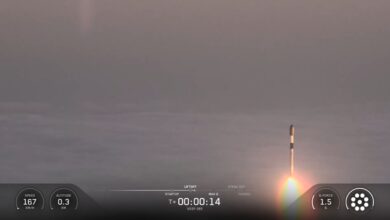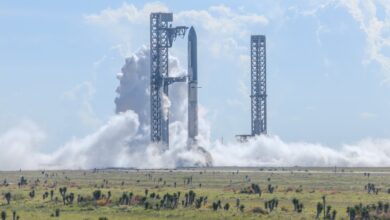

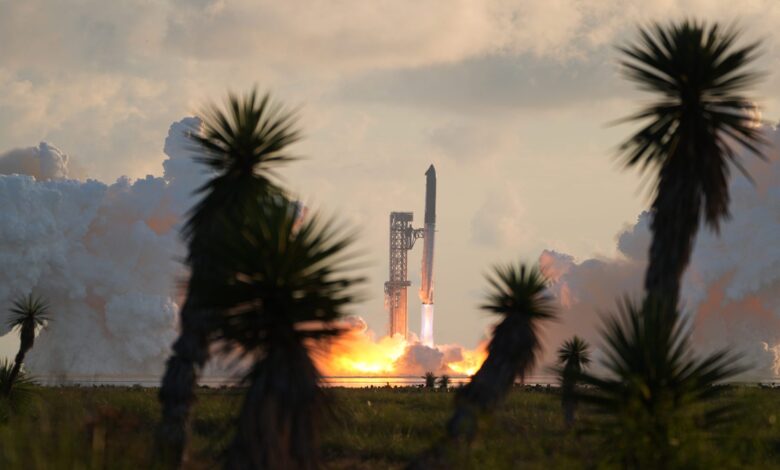
The decision to cut the mission short came after one of the vehicle’s engines shut down prematurely during the boost phase. For several minutes, flight data indicated a potential failure, but as the faulty engine was no longer required for the trajectory, controllers determined the spacecraft was stable enough to proceed. “Starship is orbital,” Mission Control announced, confirming the vehicle had entered a trajectory at an altitude of 170 miles (275 kilometers) and a velocity of 17,500 mph (28,000 kph).
While the original flight profile called for a 10-hour journey comprising six full laps around the globe before a reentry near Chile, the spacecraft was brought back after only a couple of laps. No specific technical reason was provided for the early termination, but the decision reflected a cautious approach to managing the anomaly. The first-stage booster, which was not designed for recovery on this flight, had already dropped into the Gulf of Mexico within minutes of the morning launch.
Critical Payload Delivery
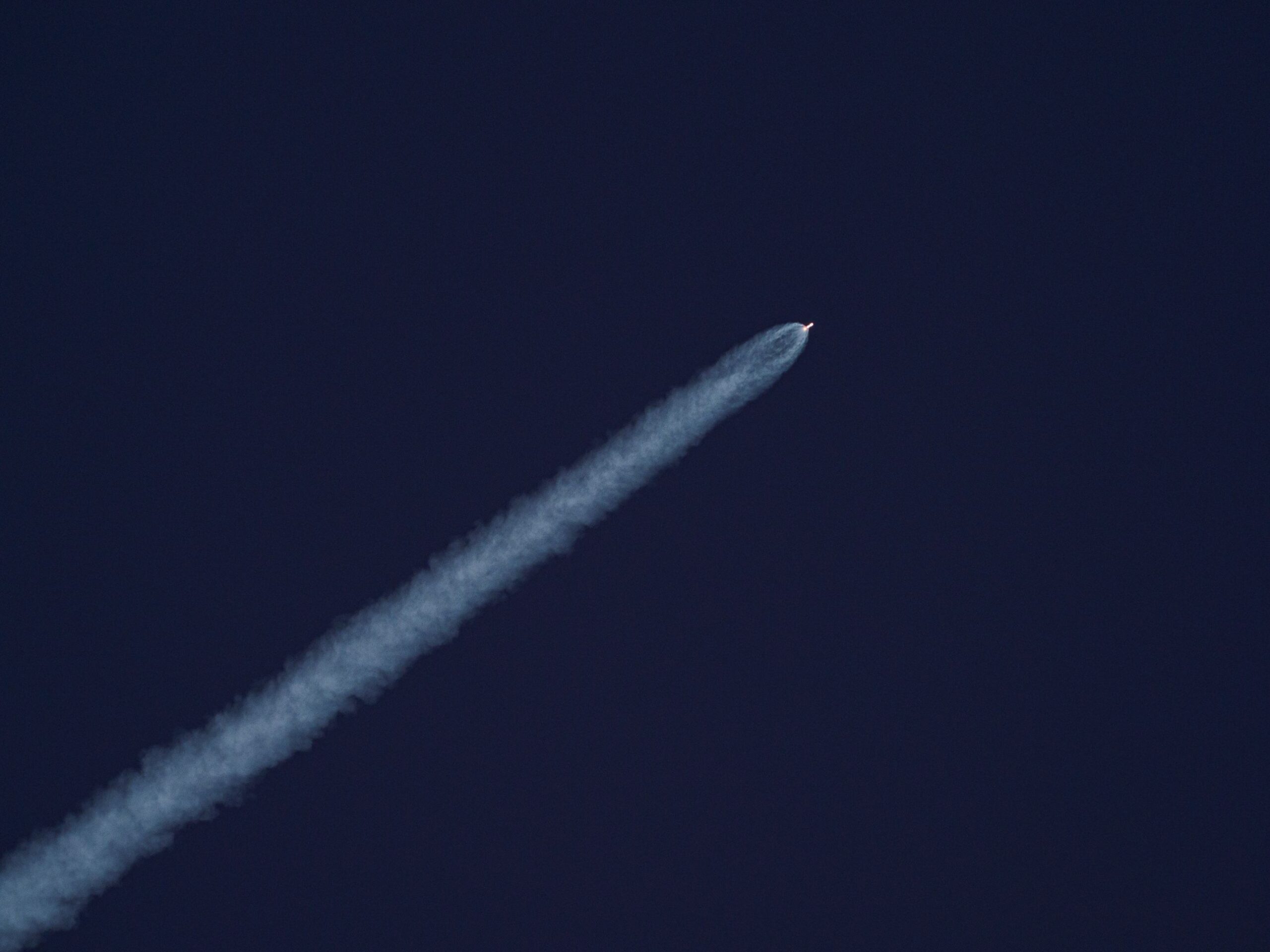
Despite the shortened duration, the mission achieved its secondary objective: the deployment of 26 of the most advanced Starlink satellites. These next-generation units were released one by one from the spacecraft’s payload bay, joining a constellation of approximately 11,000 older models already providing internet service. The successful deployment was a significant technical validation, as Starship is designed to carry large payloads into orbit by the “truckload,” a capability intended to eventually phase out the company’s smaller Falcon 9 rocket.
NASA Administrator Jared Isaacman congratulated SpaceX on reaching orbit, noting that the company managed every step in a “safe, responsible and especially inspirational way.” The achievement is a vital step toward certifying Starship for orbital flight, a prerequisite for its role in future deep-space exploration.
Path to Reusability and Lunar Operations
The 407-foot (124-meter) rocket was designed from inception to be fully reusable, a feature SpaceX considers key to lowering launch costs. Engineers have already salvaged a previous Starship prototype from the Indian Ocean in July and are using hands-on inspections of that recovered vehicle to modify the heat shield of future iterations. The current spacecraft, now drifting in the Pacific, will likely be recovered for similar analysis.
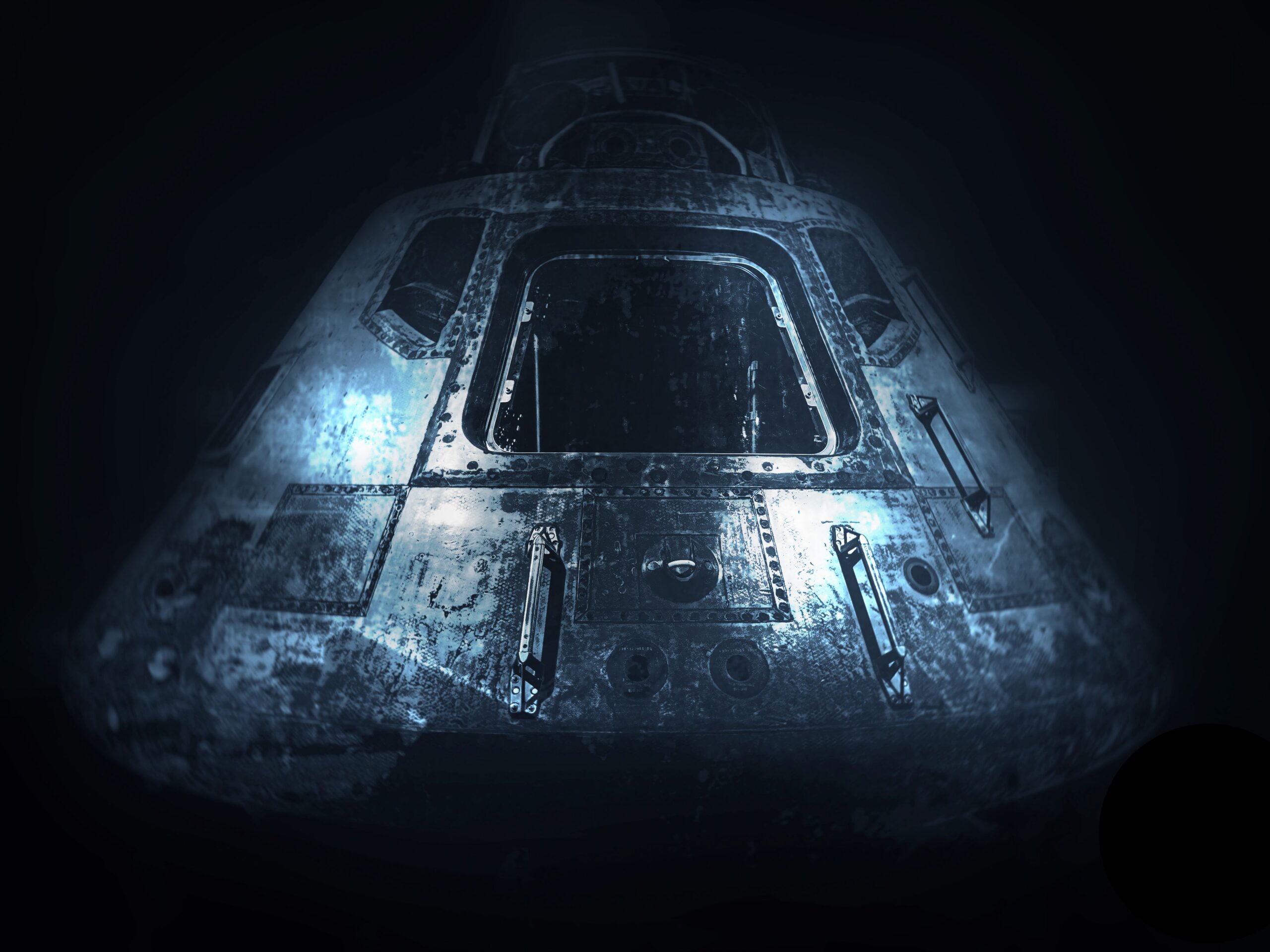
SpaceX is pressing to ensure all systems function flawlessly before attempting to return a Starship to the launch site in Texas. Founder Elon Musk has stated that the company is being “extremely cautious” to avoid the risk of the spacecraft breaking apart over land. If the upcoming “catch” maneuver—where giant mechanical arms at the launch pad grab the hovering booster—proves successful, SpaceX aims to refly the spacecraft by the end of the year or early next one.
This milestone sets the stage for the company’s integration into NASA’s Artemis program. The upcoming Artemis III mission, potentially launching as soon as next summer, involves a complex docking exercise in Earth orbit between an Orion capsule and competing lunar landers. Following that, Artemis IV, slated for no sooner than 2028, will see astronauts land on the moon using either SpaceX’s Starship or Blue Origin’s Blue Moon lander, with subsequent missions alternating between the two vehicles. A second Starship launch site is also nearing completion at Kennedy Space Center in Florida, with a third planned for Louisiana, further expanding the vehicle’s operational footprint beyond its current base in southern Texas.