
The immediate trigger for the diplomatic rupture was the accusation by Ethiopia’s Army chief that Egypt, Eritrea, and the Sudanese Armed Forces (SAF) were fomenting the new insurgency against Prime Minister Abiy Ahmed’s central government. While the governments of Egypt, Eritrea, and Sudan issued denials, the tensions were compounded by reports indicating that Eritrean forces are present inside Tigray, backing the Tigray People’s Liberation Front (TPLF) coalition that seeks to oust Abiy. This marks a dramatic inversion of alliances; during the 2020–2022 civil war, Eritrean soldiers collaborated with Ethiopian counterparts, a conflict that resulted in an estimated 600,000 deaths and allegations of war crimes. An internationally brokered peace in 2022 failed to hold, paving the way for this fresh trauma.
The regional implications extend well beyond the Ethiopian-Eritrean border. Shadowing the renewed fighting is the ongoing civil war in Sudan. Abiy’s government has reportedly been involved in training troops belonging to the Rapid Support Forces (RSF), the paramilitary organization that controls swaths of western Sudan. Conversely, Tigrayan fighters have reportedly appeared alongside the SAF in battles against the RSF. These entanglements reflect a complex web of proxy dynamics where national security interests collide with longstanding territorial and resource disputes.
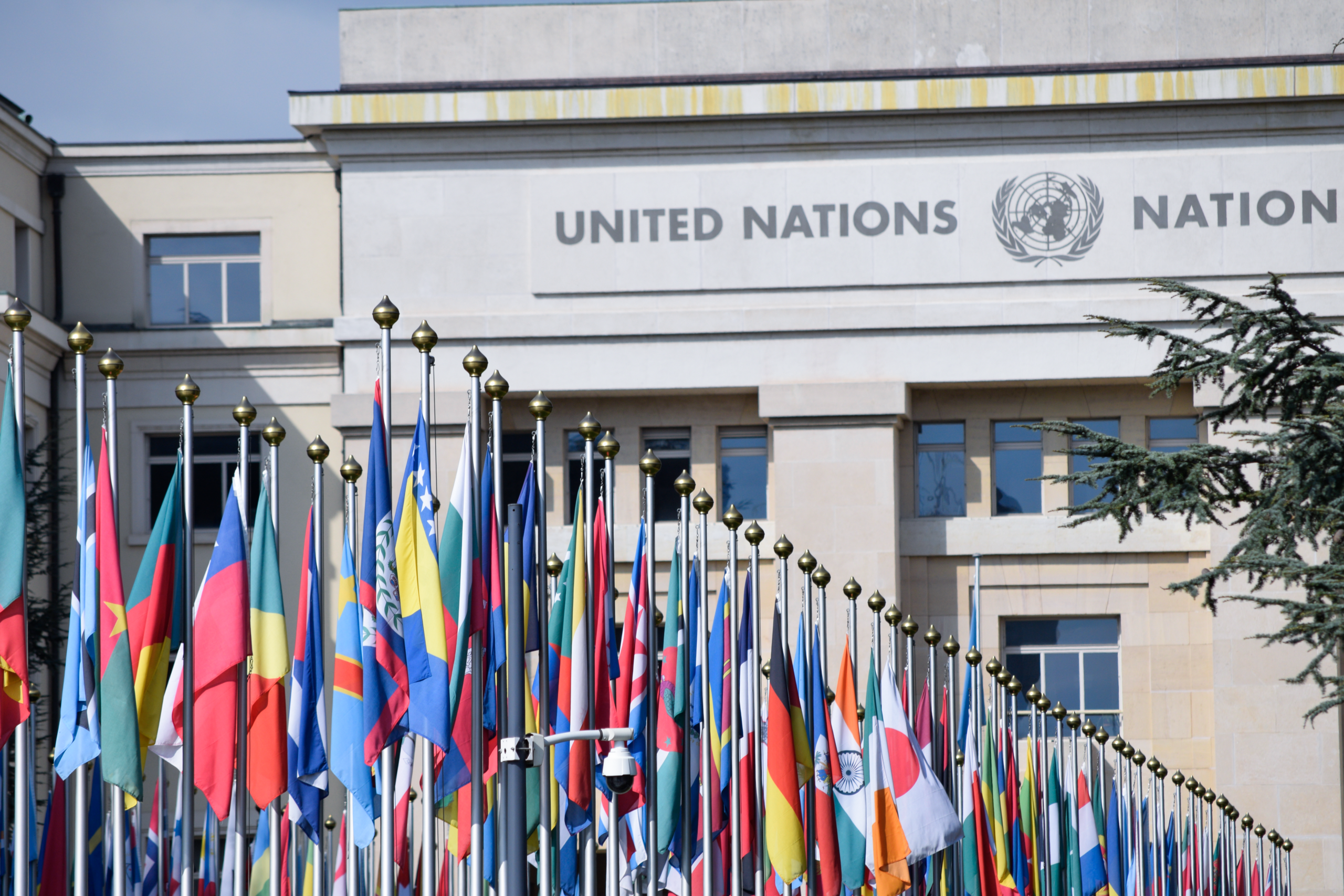
A Diplomatic Standoff Over the Red Sea
The diplomatic crisis has become a stage for broader grievances over maritime access and resource control. Last weekend, the leaders of Egypt, Eritrea, Sudan, and Somalia met in Egypt to issue a joint statement. They aired shared grievances over Ethiopia’s designs on access to the Red Sea, a portage Ethiopia lost when Eritrea gained independence in 1993, and its construction of a major dam on the Nile. The statement also rejected any recognition of Somaliland, an autonomous self-declared republic within Somalia’s borders, which Ethiopia has sought to engage to regain an “outlet to the sea.” Abiy reaffirmed this position on Monday, insisting that Ethiopia must have maritime access, a stance that directly challenges the territorial integrity of Somalia.
This friction is being amplified by the interests of external powers. Gulf monarchies, including the United Arab Emirates, Saudi Arabia, and Qatar, along with Turkey and Egypt, are active players in an arc of conflict spanning from Libya to Yemen. Their rivalries manifest in proxy struggles, fueled by a scramble for strategic waterways, oil, critical minerals, and water. In Sudan, the UAE has reportedly supported the RSF with arms and funding, while Saudi Arabia, Egypt, and Qatar are closer to the SAF. In the Somalia-Somaliland dynamic, Turkey maintains a substantial military footprint in Somalia, which could eventually be countered by the deployment of Israeli and Emirati assets in Somaliland, although Somaliland’s president stated there is currently no Israeli military presence in the territory.
Amid this escalating regional complexity, Prime Minister Abiy Ahmed has made a calculated decision to retain Gedion Timothewos as foreign minister for another five-year term. This choice for continuity stands in stark contrast to the previous six years, during which Ethiopia cycled through five foreign ministers. Timothewos, a lawyer who played a direct role in the Pretoria peace negotiations that ended the previous Tigray war, brings specific institutional knowledge to the current crisis. His tenure is defined by the transition from recovering the diplomatic space damaged by the 2020–22 war to managing a new security crisis that requires a deep understanding of international law and regional sensitivities.
As the Horn of Africa becomes a theater for competing global and regional interests, the failure of diplomatic institutions to prevent the collapse of relations between neighbors highlights a troubling reality. The conflict in Ethiopia is no longer merely a domestic struggle for power; it is a nexus where the strategic calculations of multiple state and non-state actors converge. With borders porous to military intervention and diplomatic channels severed, the region faces a prolonged period of instability where the plight of civilians is overshadowed by the transactional interests of outside powers.
